


Ripening Period
Medium
Bush Growth Power
Strong
Bunch Size
Small (up to 300 g), Medium (300–500 g)
Berry Size
Medium (2–5 g)
Your mark
0 votes
0% positive ratings
Store offers · 2 from 2 stores
2 offers in 2 stores — from 1.77 € per seedling.
Available at: vinemaestro-com-ua · Vinograd Odessa
Prices are collected automatically from store websites and converted at the current exchange rate. Check the price and availability on the store website before ordering.
About product
A professional-grade technical grape variety for winemaking, optimized for vigorous growth and superior quality in southern climates.
Description
Carmenere by Lazurnaya Yagoda: A Technical Grape for Winemaking
The Carmenere grape variety, produced by the Russian nursery "Lazurnaya Yagoda," is a niche offering designed specifically for the winemaking enthusiast. Unlike table grapes intended for fresh consumption, this model is built for one purpose: producing high-quality must for wine.
Technical Specifications and Cultivation
Cultivating Carmenere requires a high level of expertise, as it is a demanding variety that expects meticulous care. Key characteristics include:
- Ripening: Medium ripening cycle.
- Vigor: Strong bush growth, necessitating professional pruning and canopy management.
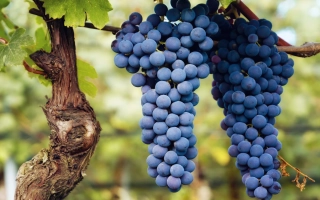
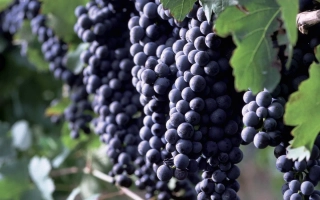
- Cluster and Berry: Compact clusters (300–500 g) with medium-sized black berries (2–5 g).
Given its specific requirements, the Carmenere from "Lazurnaya Yagoda" is suited exclusively for southern regions. It is highly sensitive to climate conditions, requiring ample sun exposure and precise soil management. This variety is not a 'plant-and-forget' crop; rather, it is a selection for serious growers who prioritize the potential for deep, complex tannins and a sophisticated flavor profile in their final wine product.
Market Positioning
Within the "Lazurnaya Yagoda" catalogue, this variety occupies a position dedicated to quality-focused home viticulture. It is aimed at producers who understand that high-quality wine production begins in the vineyard. By providing authentic genetic material, the nursery enables growers to focus on the specific agronomic needs of the plant. While it requires more effort than commercial hybrids, the result—a wine with strong character—makes it a staple choice for those looking to elevate their wine production standards.
Video · 4 videos
Suggest a video →Crop & resistance
Crop
Specifications
| Ripening Period | Medium |
|---|---|
| Bush Growth Power | |
| Bunch Size | Small (up to 300 g), Medium (300–500 g) |
| Berry Size | Medium (2–5 g) |
| Berry Color | |
| Zoning | |
| Care Requirement | |
| Purpose | |
| Registration year | 2021 |
| Catalog | Catalog → Grape |
| Manufacturer | Lazurnaya Yagoda LLC |
| Country | Russia |
No reviews yet. Be the first to share your experience.
Alternatives
Grapevine saplings · similar varieties




See also
Often considered together with this variety





Recently viewed
Products you’ve viewed on this site
Reviews