


SKU #62091
·
54 views
MANZONI BIANCO
Grape
Lazurnaya Yagoda LLCUser rating
0 votes0% positive reviews
No ratings yet — be the first.
Usage Group
Technical
Resistance to Mildew
High
Flower Type
Perfect flower
Bunch Size
Small (up to 300 g)
Store offers · 1 from 1 stores
Prices are updated on loadLoading offers…
Available at: Nasinnya
Aggregator catalog: prices are collected automatically from store websites, normalized by AI and converted at the current exchange rate. Before ordering, confirm the price and availability on the store's website. This block is not indexed by search engines — the data is loaded after the page opens.
About product

Italian wine heritage adapted for northern climates with superior disease resistance.
Usage Group
Technical
Resistance to Mildew
High
Flower Type
Perfect flower
Bunch Size
Small (up to 300 g)
Description
Italian heritage for northern vineyards
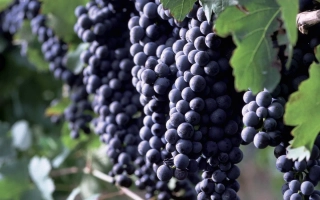
"Manzoni Bianco" from the producer "Lazurnaya Yagoda" (Лазурная Ягода) represents a successful adaptation of the prestigious Italian technical variety (Incrocio Manzoni) to northern climatic zones. The originator has focused on preserving the complex aromatic profile of this variety, which is highly valued by winemakers for its acidity and distinctive mineral character.
Resilience and viticulture
A key challenge in northern winemaking is pathogen pressure. The Manzoni Bianco clone selected by "Lazurnaya Yagoda" offers high resistance to Downy Mildew (Plasmopara viticola) and Esca, reducing the need for aggressive treatment schedules. The perfect-flowered vine ensures reliable pollination, which is a decisive factor for consistent yields in cooler regions.
Key characteristics
- Usage: Technical (wine production).
- Cluster size: Small (up to 300 g), facilitating optimal maturation.
- Berry profile: White, small (< 2 g), ideal for high-quality juice extraction.
For the winery, Manzoni Bianco is a versatile tool. The combination of small berries and high natural resistance allows growers in northern regions to cultivate an elite white wine variety while maintaining a sustainable management approach. By choosing this variety from "Lazurnaya Yagoda," producers can diversify their portfolio with a sophisticated wine that reflects the unique conditions of its northern terroir.
Crop & resistance
Crop
Disease resistance
Specifications
| Usage Group | |
|---|---|
| Resistance to Mildew | |
| Flower Type | |
| Bunch Size | Small (up to 300 g) |
| Berry Size | Fine (<2 g) |
| Berry Color | |
| Zoning | |
| Assignment | |
| Registration year | 2021 |
| Catalog | Catalog → Grape |
| Manufacturer | Lazurnaya Yagoda LLC |
| Country | Russia |
Not yet комментариев. Be the first!
Alternatives
Grapevine saplings · similar varieties





See also
Often considered together with this variety





Recently viewed
Products you’ve viewed on this site
Reviews · 0