


SKU #60075
·
76 views
SIKORA MEMORY APPLE
Apple
User rating
0 votes0% positive reviews
No ratings yet — be the first.
Tree; Growth Power
Medium-height
Fruit; Fruit mass
100-150 grams
Fruit; Fruit Color (Base Color)
Green-Yellow, Light Green
Fruit; Blush (Blush Color)
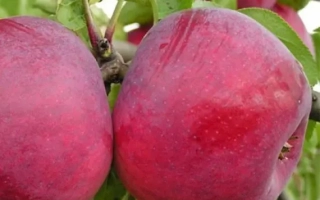
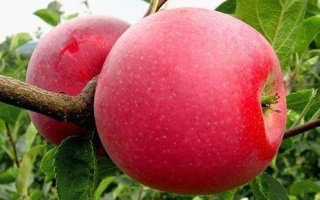
Red, Dark red, Blurred
Store offers · 1 from 1 stores
Prices are updated on loadLoading offers…
Available at: Agromir
Aggregator catalog: prices are collected automatically from store websites, normalized by AI and converted at the current exchange rate. Before ordering, confirm the price and availability on the store's website. This block is not indexed by search engines — the data is loaded after the page opens.
About product

The 'Sikora Memory' apple variety was bred in 1949 by Belarusian breeders I.P. Sikora and V.I. Sikora through cross-breeding the Folsom and Simirenko Renet varieties. The trees are medium-sized with an round-pyramidal or oval canopy of medium density. Leaves are dark green, leathery, and gray-green and hairy on the underside. Fruiting occurs mainly on spur shoots, less frequently on long shoots. T…
Tree; Growth Power
Medium-height
Fruit; Fruit mass
100-150 grams
Fruit; Fruit Color (Base Color)
Green-Yellow, Light Green
Fruit; Blush (Blush Color)
Red, Dark red, Blurred
Description
The 'Sikora Memory' apple variety was bred in 1949 by Belarusian breeders I.P. Sikora and V.I. Sikora through cross-breeding the Folsom and Simirenko Renet varieties. The trees are medium-sized with an round-pyramidal or oval canopy of medium density. Leaves are dark green, leathery, and gray-green and hairy on the underside. Fruiting occurs mainly on spur shoots, less frequently on long shoots. The variety is recommended for cultivation in the North-West and Central regions of Russia, including the Moscow Region, Vologda, and Yaroslavl Oblasts, and is also successfully cultivated in Belarus. The fruits of the 'Sikora Memory' apple tree are of medium size, usually weighing 105-120 grams, round-conical or cylindrical in shape. The skin is smooth, green in color with a bright green background coloration and a red-brown or reddish-brown blurred blush on the sun-exposed side. The flesh is light green, dense, finely granular, of medium juiciness, with a pleasant sweet-sour taste and a weak aroma. The content of soluble dry substances in the fruits is about 13.3%, sugars – 10.3%, and ascorbic acid – 8.3 mg per 100 grams. Harvest ripeness occurs in the second half of September – first half of October, and the fruits can be stored until June. The variety is distinguished by high yield, regular fruiting, and high winter hardiness, which makes it in demand both in industrial and farmer horticulture, as well as for growing in home gardens and summer cottages. Among the disadvantages, medium resistance to scab is noted. The apple tree is susceptible to some diseases, such as rust, powdery mildew, and speckle, as well as pests, including spider mites, aphids, flea beetles, longhorned beetles, and codling moths.
Video · 9 videos
Suggest a video →Crop & resistance
Disease resistance
Specifications hover over for a hint about the specification
| Tree; Growth Power | |
|---|---|
| Fruit; Fruit mass | 100-150 grams |
| Fruit; Fruit Color (Base Color) | |
| Fruit; Blush (Blush Color) | |
|
Fruit; flesh color
Fruit; flesh color
Color of the fruit flesh. There are red, pink, yellow, and brown colors. |
|
| Fruit; Lying | 5-6 months |
| Cold Resistance | |
| Registration year | 2002 |
| Catalog | Catalog → Apple |
| Legal data |
Show · 5
|
| Country | Russia |
Not yet комментариев. Be the first!
Alternatives
Apple saplings · similar varieties






See also
Often considered together with this variety





Recently viewed
Products you’ve viewed on this site
Reviews · 0