


SKU #60099
·
66 views
Fuji
Apple
AO 'SAD-GIGANT'User rating
0 votes0% positive reviews
No ratings yet — be the first.
Type of Sort
Winter Apple Variety
Tree; Growth Power
Medium-height
Tree; Canopy Shape
Broad-pyramidal crown, Round Canopy
Fruit; Fruit Shape
Round-cylindrical
Store offers · 1 from 1 stores
Prices are updated on loadLoading offers…
Available at: Seemnemaailm
Aggregator catalog: prices are collected automatically from store websites, normalized by AI and converted at the current exchange rate. Before ordering, confirm the price and availability on the store's website. This block is not indexed by search engines — the data is loaded after the page opens.
About product

An elite winter apple variety known for its dense texture and vibrant color, brought to you by Ao Sad-gigant.
Type of Sort
Winter Apple Variety
Tree; Growth Power
Medium-height
Tree; Canopy Shape
Broad-pyramidal crown, Round Canopy
Fruit; Fruit Shape
Round-cylindrical
Description
The Fuji Standard by Ao Sad-gigant
The 'Fuji' variety, managed and refined by Ao Sad-gigant, stands as a premier selection of winter apples. Through the expert breeding efforts of Klavdiya Petrovna Perepelitsa and Aleksandr Anatolyevich Klad at the 'Sad-gigant' facility, this variety has been perfected to meet the highest market demands for both quality and durability.
Tree Characteristics and Management
This is a medium-growth tree, which allows for efficient orchard management. Its crown structure, transitioning from broadly pyramidal to a classic rounded shape, ensures optimal sunlight penetration. This architectural balance is crucial for achieving the vibrant coloration that distinguishes the Fuji variety in the global market, consistently producing heavy, premium fruit weighing between 200 and 250 grams.
Market-Leading Fruit Quality
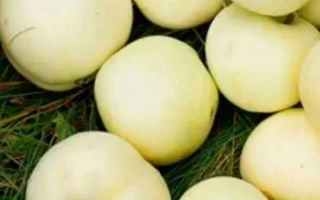
The fruit displays a consistent round-cylindrical shape, recognized by buyers worldwide. Its base color is a subtle greenish-yellow, which matures into a rich, complex blush covering the fruit. The color spectrum—ranging from soft yellow and greenish hues to deep red and raspberry tones—culminates in a distinct dark-pink aesthetic. Combined with high flesh density and exceptional shelf life, the Fuji from Ao Sad-gigant remains the top choice for long-term winter storage and retail trade.
Video · 2 videos
Suggest a video →Specifications hover over for a hint about the specification
| Type of Sort | |
|---|---|
| Tree; Growth Power | |
| Tree; Canopy Shape | |
| Fruit; Fruit Shape | |
| Fruit; Fruit mass | 200-250 grams |
| Fruit; Fruit Color (Base Color) | |
| Fruit; Blush (Blush Color) | |
|
Fruit; flesh color
Fruit; flesh color
Color of the fruit flesh. There are red, pink, yellow, and brown colors. |
|
| Fruit; Taste qualities | 4.5 stars |
| Fruit; Lying | Up to 1 month, 6-7 months |
| Cold Resistance | |
| Registration year | 2022 |
| Catalog | Catalog → Apple |
| Manufacturer | AO 'SAD-GIGANT' |
| Legal data |
Show · 4
|
| Country | Russia |
Not yet комментариев. Be the first!
Alternatives
Apple saplings · similar varieties







See also
Often considered together with this variety






Recently viewed
Products you’ve viewed on this site
Reviews · 0