
Vicia pomovirus
Pomovirus viciae
Vicia pomovirus is a specific plant pathogen belonging to the genus Pomovirus. This viral disease is characterized by the presence of rod-shaped viral particles containing single-stranded RNA encased in a protein shell.
What the section contains
Vicia pomovirus
The pathogen belongs to a group of viruses primarily transmitted through the soil, although transmission via infected seeds and specific soil-borne vectors is also possible. The virus is capable of maintaining viability in plant debris.
The taxonomy of this object is closely linked to the study of soil-borne viruses affecting legumes. The pathogen possesses a specific ability to persist in the root systems of host plants for extended periods.
The genetic structure of the virus allows it to rapidly adapt to new cultivars of legumes. The biological activity of the pathogen is highest during periods of intensive vegetative growth.
Identification of the pathogen requires laboratory methods such as ELISA or PCR diagnostics, as visual symptoms are often indistinguishable from other viral diseases affecting legumes.
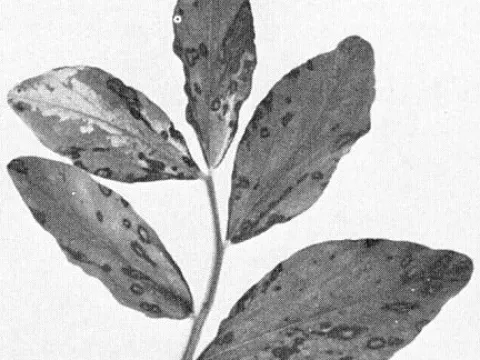
The primary signs of infection are chlorotic spots on the leaves, which may develop into a mosaic pattern over time. Infected plants often show stunted growth and appear generally weak.
During the early stages of viral infection, leaf deformation and curling may occur. Severe infestations lead to premature yellowing and leaf drop, starting from the lower levels of the plant.
Affected plants often show poor root system development and a decrease in the number of pods produced. Seeds within infected pods may appear shriveled and have reduced germination rates.
Symptom expression can vary depending on the Vicia cultivar and environmental conditions. In hot weather, mosaic patterns may become less visible, masking the presence of the virus.
- Chlorosis and yellowing of leaf blades.
- Mosaic and variegated leaf patterns.
- Leaf deformation and curling.
- Stunting and inhibited plant growth.
- Reduced crop yield and seed quality.
The development of the virus is closely linked to soil moisture, as a humid environment facilitates the activation of natural infection vectors. Temperature ranges between 15–20 degrees Celsius are most favorable for viral replication.
The spread of the pathogen in agricultural areas often occurs due to improper crop rotation. The virus accumulates in the soil when legumes are grown continuously on the same plot for several years.
Mechanical damage to roots during agricultural operations creates entry points for infection. The virus can also be spread via tools and farm machinery contaminated with infected soil.
Damage caused by soil nematodes or fungal root pathogens increases plant susceptibility to the virus. Disruption of plant tissue integrity facilitates the penetration of viral particles.
The frequency of epidemics directly depends on rainfall intensity during the spring season. Excessive moisture promotes the migration of vectors and active infection of young seedlings.
The virus causes significant economic losses by reducing both green mass yield and seed yield of Vicia. In cases of severe infection, yield losses can range from 20 to 50 percent, depending on the cultivar.
The reduction in photosynthetic activity of infected plants leads to lower accumulation of sugars and nutrients, making the crops more vulnerable to other diseases and pests.
Viral infection negatively impacts fodder quality, lowering protein content and the overall nutritional value of the green mass. Plants become unsuitable for harvesting as seed stock.
If seed crops are infected, the sowing qualities of the seeds are significantly degraded. The virus lowers germination energy, leading to sparse crop stands in the following season.
Infected plots become chronic reservoirs of infection, limiting the use of the land for legume cultivation for extended periods and requiring additional costs for field rehabilitation.
The primary control measure is the implementation of a scientifically sound crop rotation system, ensuring that legumes are not replanted on the same site for at least 4–5 years. This breaks the pathogen's reproduction cycle.
It is essential to use only certified seed material sourced from regions known to be free of viral infections. Pre-sowing seed treatment can reduce the risk of primary infection.
Timely weed control is important, as weeds can act as reservoirs for the virus. Removing plant debris after harvest reduces the inoculum levels remaining in the soil.
Disinfecting agricultural tools and machinery before moving from infected fields to clean ones is highly recommended to prevent mechanical spread of the virus.
Using virus-resistant cultivars is the most effective and economically viable method of protection. During selection, priority should be given to lines showing high field tolerance to this pathogen.