
Virgaviruses
Virgaviridae
The Virgaviridae family includes a group of single-stranded RNA viruses with rod-shaped or filamentous virions. This family includes well-known plant pathogens such as Tobacco Mosaic Virus (TMV), Cucumber Green Mottle Mosaic Virus, and Wheat Streak Mosaic Virus.
What the section contains
Virgaviruses
These viruses exhibit high stability in the environment and can persist for long periods in plant debris, soil, seeds, and even dry plant products. Their pathogenesis involves hijacking the plant's cellular machinery for mass replication of their own genetic material.
The disease type is characterized by systemic infection, where the virus spreads through the plant's vascular system, disrupting metabolism and inhibiting photosynthesis. The pathogens are easily transmitted mechanically during routine plant handling.
A biological feature of virgaviruses is their broad host range, capable of infecting both monocot and dicot plants. The virions are highly resistant to temperature fluctuations and changes in pH levels.
A critical aspect is the lack of specific insect vectors for many members, making mechanical transmission via tools, clothing, or leaf-to-leaf contact the primary route of spread in agricultural fields.
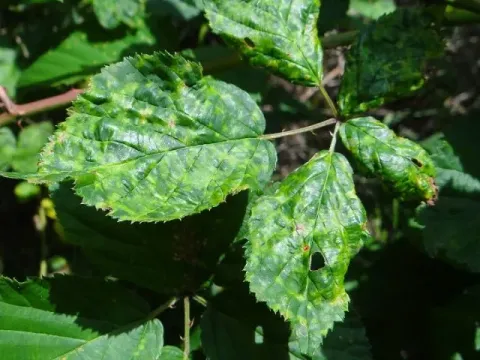
The primary symptom of infection is mosaic patterns on leaves, appearing as alternating light green, yellow, and dark green patches. Leaf chlorosis and malformation of the leaf blade are frequently observed.
A characteristic sign for many species is leaf curling, stunted leaf size, and overall growth suppression of the entire plant. Shoot tips often twist, resulting in a dwarfed appearance.
Necrotic spots, stripes, or streaks may appear on fruits and stems. In vegetable crops, irregular coloration or fruit deformation is common, significantly reducing market value.
In cereal crops, infection by Virgaviridae family viruses often manifests as yellow streaks along leaf veins, which may merge over time, causing premature tissue necrosis.
External signs of viral infection are often confused with nutrient deficiencies or pest damage, necessitating laboratory testing (ELISA or PCR) for an accurate diagnosis.
Virgaviruses cause massive economic losses, reducing crop yields by 30–70% depending on the severity of the infection and the plant's age at the time of exposure.
Infection leads to disrupted development of reproductive organs, resulting in flower abortion, fruit malformation, and poor taste quality.
In intensive farming conditions, the spread of the virus within greenhouses can lead to total crop failure, as the infection quickly moves from diseased to healthy plants during manual labor.
The presence of viruses in seed material makes high-quality harvest impossible, as the infection manifests at early growth stages, suppressing seedling development.
An additional danger lies in synergy with other pathogens: plants weakened by a virgavirus become easy targets for bacterial and fungal infections, complicating management efforts.
There are no effective direct cures for viral diseases, so the strategy relies entirely on prevention and strict adherence to phytosanitary protocols.
The key measure is the exclusive use of healthy, certified seed material that is free from latent viral infection.
- Disinfection of tools (pruners, knives) using sodium hypochlorite solutions or alcohol.
- Eradication of weeds—natural reservoirs for the virus during the off-season.
- Cultivation of resistant varieties and hybrids capable of limiting pathogen development.
- Prompt isolation and destruction (rogueing) of the first symptomatic plants in the field.
It is necessary to control insect pest populations that may mechanically carry the virus, although this vector route is secondary for many virgaviruses.
Spatial isolation of crops from infected areas and strict crop rotation are vital to prevent the accumulation of virions in the soil.