
Viral plant diseases
Viruses and
Viral plant diseases are caused by microscopic non-cellular agents known as phytoviruses. These pathogens consist of genetic material, either DNA or RNA, encased in a protein coat called a capsid, acting as obligate intracellular parasites that require host cells to replicate.
What the section contains
Viral plant diseases
Unlike fungi or bacteria, viruses cannot penetrate plant cell walls independently. They rely on external factors, such as mechanical damage or insect vectors, to gain entry into the host's cellular machinery, where they hijack metabolic processes to create new viral particles.
The absence of specialized metabolic structures means viruses remain inert outside of living cells. They are characterized by their ability to spread systemically throughout the host plant via the phloem, eventually reaching all parts, including roots and seeds.
Diagnosis of these pathogens is complex and often requires laboratory methods like ELISA or PCR, as many viruses produce similar symptoms in diverse crop species. Genomic sequencing is increasingly used to identify specific viral strains.
The lack of self-replication outside the host makes these pathogens persistent; once a plant is infected, it typically remains a reservoir of the disease for the rest of its life cycle.
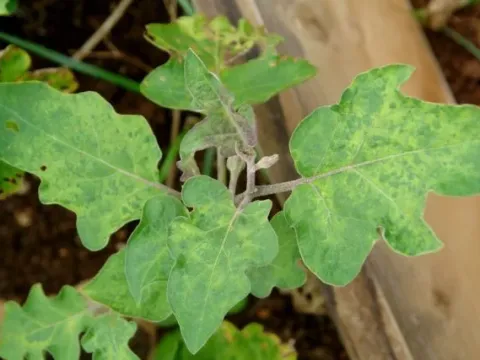
The most common symptom of viral infection is mosaic pattern formation, characterized by intermingled patches of light green, yellow, and dark green on leaves. This happens due to the inhibition of chlorophyll production in affected tissues.
Deformation is another hallmark, where leaves exhibit curling, wrinkling, or filiform (thread-like) growth. Stunted growth and general plant dwarfing are frequently observed as the host redirects energy toward viral replication rather than biomass accumulation.
Necrotic lesions, such as ringspots or necrotic streaks, may appear on stems and foliage. Fruits are often severely affected, showing discoloration, irregular shapes, and significantly reduced marketability and quality.
Latent infections are particularly dangerous, where plants appear healthy but carry the virus. Such carriers act as invisible sources of infection that can rapidly spread the disease throughout a field without early warning signs.
- Leaf mosaic and mottling patterns.
- Curling, puckering, or distortion of leaves.
- Stunted plant growth and dwarfing.
- Formation of necrotic spots, rings, or stripes.
- Reduced fruit quality and yield loss.
Insect vectors are the primary drivers of viral spread. Sucking insects like aphids, thrips, whiteflies, and leafhoppers transmit viruses from infected to healthy plants while feeding on the phloem sap.
Mechanical transmission is a significant issue in nursery settings and greenhouse production. The virus is easily spread by contaminated tools, pruning shears, or even handling plants after touching infected foliage.
Environmental conditions that favor the rapid proliferation of insect vectors, such as warm temperatures and dry spells, significantly accelerate the spread of viral diseases across crop fields.
Weed hosts are critical in the disease cycle, as they act as reservoirs that harbor viruses during the off-season. When insects move from weeds to crops, they introduce the pathogen to the new host.
High planting density increases contact between plants, facilitating the rapid movement of the virus through physical touch or vector movement in crowded environments.
Viral plant diseases cause severe economic damage by significantly reducing crop yields, often causing losses ranging from 50% to over 80% depending on the virus strain and host susceptibility.
Infected plants suffer from impaired physiological processes, particularly photosynthesis and nutrient transport. This leads to weakened development, decreased vitality, and increased vulnerability to other pests and diseases.
The infection of perennial crops or propagating materials like tubers and bulbs causes long-term degeneration. This necessitates expensive replacement programs to restore the health of the seed stock.
Secondary infections are common, as the weakened plant defenses allow opportunistic fungi and bacteria to colonize the already damaged tissues, further complicating the agricultural outlook.
The global impact of viral diseases is profound, affecting everything from staple food crops to ornamental plants, thereby threatening food security and agricultural profitability worldwide.
Preventative measures are the cornerstone of viral control, as there are no effective curative treatments for infected plants. The use of virus-indexed, certified disease-free propagation material is essential.
Controlling vector populations through integrated pest management (IPM), including the use of insecticides and reflective mulches, is critical to interrupt the transmission cycle of the virus.
Strict sanitation protocols, such as disinfecting tools with a 70% ethanol solution between plants, prevent the accidental spread of viruses during cultivation and harvesting operations.
Managing the weed population in and around fields minimizes the presence of primary reservoirs. Furthermore, maintaining spatial isolation between old and new plantings helps limit the movement of viral pathogens.
Developing and planting resistant or tolerant crop varieties provides the most effective long-term defense against viral diseases, reducing the need for intensive chemical pesticide usage.