
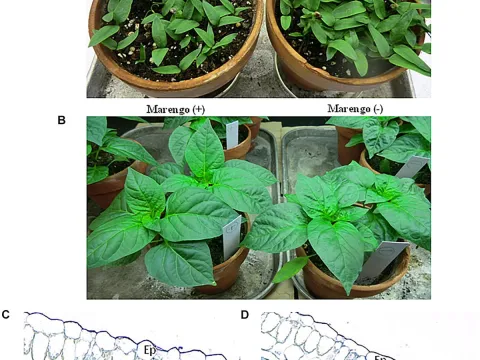
Pepper alphaendornavirus
Alphaendornavirus capsici
The causal agent is Alphaendornavirus capsici, a member of the Endornaviridae family, which contains a single-stranded RNA genome.
What the section contains
Pepper alphaendornavirus
This virus is noted for its persistent, latent infection strategy, often remaining within the host plant tissues for the entire duration of its growth cycle.
Transmission occurs primarily through seeds and pollen, establishing a vertical infection path that is notoriously difficult to eradicate from breeding lines.
Unlike many other viral pathogens, it does not always require insect vectors, as its primary dissemination method is linked to the reproductive tissues of the plant.
The virus integrates itself into the host plant's metabolism, often coexisting with the plant without causing immediate acute symptoms.
The symptoms of Pepper alphaendornavirus are frequently subtle and can be easily confused with abiotic stress or nutritional deficiencies.
The most common sign is stunted growth, where infected plants display significantly less vigor compared to healthy counterparts in the same field.
Leaves may show faint chlorotic patterns or mosaic-like discoloration, which often manifest during periods of high environmental stress.
Fruit development may be uneven, characterized by mild deformities or reduced size, impacting the overall marketability of the pepper crop.
Reduced germination rates in seeds harvested from infected plants are also a key diagnostic indicator of this persistent viral presence.
The economic impact of the virus is characterized by chronic yield loss rather than sudden plant mortality, making it a "hidden" threat to production.
Infected crops show decreased tolerance to adverse environmental conditions, such as drought, excessive heat, or secondary fungal infections.
The long-term accumulation of the virus in the seed stock leads to progressive degradation of cultivar quality and performance over multiple generations.
Increased production costs arise from the need for compensatory fertilization and management efforts to maintain yield standards.
Post-harvest quality is often compromised, leading to reduced shelf life and lower standards for commercial processing and fresh market trade.
The primary control strategy is the use of high-quality, virus-indexed seeds sourced from certified suppliers to prevent the introduction of the pathogen.
Regular phytosanitary monitoring is essential, with an emphasis on rogueing out plants that exhibit any signs of uneven growth or leaf discoloration.
Maintaining optimal nutrition and irrigation helps the plant withstand the physiological strain imposed by the latent viral infection.
Sanitation of all greenhouse equipment and tools is mandatory to prevent any potential mechanical transmission between individual plants.
- Routine diagnostic testing of parent lines.
- Implementation of strict greenhouse hygiene protocols.
- Selection of resistant or tolerant pepper varieties.