
Pelargonium zonate spot virus
Anulavirus pzsv
Description
Symptoms
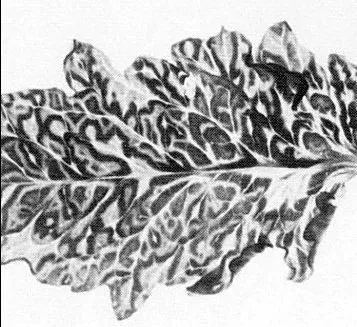
The most prominent sign of Pelargonium zonate spot virus (PZSV) infection is the appearance of distinct ring-like spots on the foliage, often arranged in concentric patterns.
These spots frequently exhibit chlorosis, where the tissue surrounding the necrotic or discolored zones turns yellow, creating a patchy appearance.
Leaves infected with the virus often show signs of distortion, curling, and stunting, which significantly detracts from the plant's overall aesthetic value.
In severe cases, necrotized streaks may develop along the stems and petioles, which can obstruct nutrient flow and cause parts of the plant to wither.
Plants affected by this virus generally show a marked decrease in growth vigor and a reduced capacity to produce flowers or maintain healthy foliage.
Pathogen
The pathogen responsible for this condition is the Pelargonium zonate spot virus (PZSV), which is classified under the genus Anulavirus.
PZSV is known to be a systemic virus, meaning it invades the vascular system of the host plant, allowing it to spread throughout the entire organism.
The virus is primarily transmitted through mechanical means, such as the use of contaminated pruning tools that have not been adequately sterilized between plants.
Transmission can also occur during vegetative propagation, as infected cuttings naturally carry the viral particles into new batches of nursery stock.
Research indicates that certain insect vectors, such as thrips, play a significant role in spreading the virus within enclosed environments like greenhouses.
Conditions for development
High humidity and moderate temperatures within greenhouse environments are ideal conditions that support the rapid development and spread of the virus.
Poor greenhouse hygiene, including the presence of alternative weed hosts, provides a reservoir for the virus to survive and proliferate during off-seasons.
Crowded planting layouts hinder air circulation and increase the likelihood of contact between healthy and infected foliage, facilitating easier viral transmission.
The movement of personnel and equipment without strict sanitation protocols contributes to the wide dispersal of the pathogen throughout cultivation areas.
Environmental stress factors, such as improper fertilization or watering regimes, can weaken plant defenses and make them more susceptible to viral manifestation.
Why it matters
PZSV causes significant financial losses in the floriculture industry because symptomatic plants are rendered unsaleable due to their unsightly appearance.
The chronic stress imposed by the viral infection compromises the plant's immunity, making it prone to secondary infections from various fungi and bacteria.
In addition to ornamental damage, the virus poses a threat to various vegetable crops, leading to reduced yield quality and significant productivity drops.
Because there is no cure for the virus, affected plants act as continuous sources of infection, requiring complete removal to protect the remaining collection.
In large-scale production facilities, failure to manage the virus quickly can lead to the total loss of entire production batches and substantial economic disruption.
Protection
Effective management begins with rigorous quarantine measures and the inspection of all incoming plant material to ensure no symptoms of PZSV are present.
Tools used for pruning and propagation must be thoroughly disinfected with appropriate sanitizing solutions after every use to prevent mechanical transmission.
A structured pest control program is essential to manage insect vectors, such as thrips, effectively minimizing the risk of natural viral spread.
- Immediate rouging and destruction of all symptomatic plants
- Regular sanitation of greenhouse benches and equipment
- Using only certified virus-free starting material
- Monitoring for weed hosts in and around the growing area
Since no direct chemical treatment is available to neutralize the virus within plant tissues, prevention remains the cornerstone of any successful disease management strategy.
Discussion
No discussions yet — be the first.