
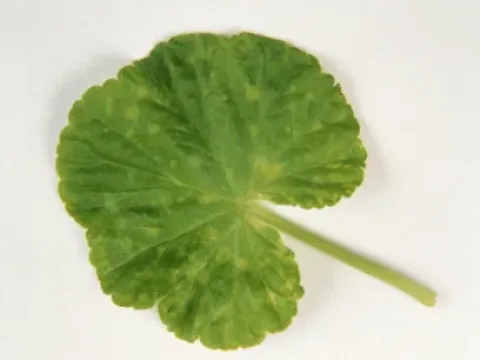
Pelargonium ringspot virus
Tombusvirus pelargonii
The Pelargonium ringspot virus is a serious viral pathogen classified within the Tombusvirus genus. It poses a significant threat to various ornamental plants, causing profound physiological disruptions and systemic infections that affect the host's overall vitality.
What the section contains
Pelargonium ringspot virus
While the primary host is the zonal pelargonium, the virus has a broader host range within the Geraniaceae family. The viral particles possess a spherical structure containing a single-stranded RNA genome, which facilitates efficient replication within the plant's cellular machinery.
Transmission in commercial nurseries and gardens occurs predominantly through mechanical means. The most common vector is contaminated cutting tools, such as pruning shears, that transfer the pathogen from infected tissues to healthy ones during standard maintenance procedures.
This virus is recognized for its high stability in the environment. It can remain infectious in soil, water, and on contaminated surfaces for extended periods, making it highly persistent and difficult to eradicate once it has been introduced into a growing facility.
Biological damage results from the virus interfering with the host's metabolic pathways, specifically by inhibiting chlorophyll synthesis and protein production. This leads to the systematic decline of the plant's health and its eventual inability to thrive or flower.
The initial manifestation of infection involves the appearance of chlorotic spots and distinctive ring-shaped patterns on the leaves. Over time, these spots often develop into necrotic lesions, causing the leaf tissue to wrinkle, deform, and lose its symmetry.
Infected plants typically exhibit significant stunting, characterized by shortened internodes and a marked reduction in growth rate. New shoots emerge slowly and often appear fragile, while flower stalks remain underdeveloped, leading to abnormal or absent blooms.
Leaf mosaic patterns, where dark green areas alternate with yellowish sectors, are classic diagnostic features. Necrosis often spreads along the veins, eventually reaching the petioles and stems, which can compromise the structural integrity of the plant.
The root system's function is severely impaired, reducing the plant's ability to absorb water and nutrients. This exacerbates symptoms like chlorosis and increases susceptibility to opportunistic pathogens and secondary fungal infections.
Diagnostic efforts must distinguish these symptoms from nutrient deficiencies. Unlike nutritional issues, viral symptoms caused by the Pelargonium ringspot virus are systemic and irreversible, persisting even under optimal fertilization and care conditions.
The primary concern regarding the Pelargonium ringspot virus is that there is no known chemical cure. Once a plant is infected, the virus spreads systemically, making it impossible to restore the plant to a healthy state using fungicides or antiviral treatments.
For growers and nurseries, the economic impact is substantial, as infected plants lose their aesthetic and commercial value immediately. A single undetected carrier can lead to the condemnation and destruction of entire stock batches due to the high risk of rapid spread.
The virus severely limits vegetative propagation. Cuttings taken from infected mother plants will carry the viral load, effectively perpetuating the infection in subsequent generations and hindering any breeding or propagation efforts.
Ornamental quality is almost entirely compromised. As the virus progresses, it depletes the plant's resources, leading to a state of chronic decline where the plant becomes visually unsightly and ceases to perform its decorative function.
In a controlled greenhouse environment, the potential for an epiphytotic outbreak is high if hygiene protocols are neglected. The pathogen's ability to spread via tools makes it a critical management challenge for professional geranium producers.
The most effective control strategy is strict phytosanitary isolation and immediate culling of any symptomatic plants. Infected specimens should be removed from the growing area and destroyed by incineration to prevent further transmission.
Rigorous disinfection of tools is mandatory to stop the spread. Pruning shears and knives must be sanitized after every individual plant contact using alcohol or approved disinfectant agents to ensure the viral load is not carried to healthy stock.
Sourcing plant material from reputable, certified virus-free suppliers is the foundation of a proactive defense. Growers should implement a quarantine period for any new arrivals to ensure they are not latent carriers of the virus.
Routine health monitoring and early detection are vital. Managers should train staff to identify subtle leaf deformations or discoloration patterns to stop the infection before it becomes widespread throughout the nursery or garden collection.
Maintaining optimal sanitation in the growing environment, including sterilizing pots and using high-quality pasteurized soil, is essential. Stress reduction through proper plant care helps improve the plants' overall resilience against environmental pathogens.