
Pelarspovirus rosae
Pelarspovirus rosae
Pelarspovirus rosae is a plant viral pathogen belonging to the genus Pelarspovirus. It is recognized as a significant agent causing systemic infections in various rose cultivars and related ornamental species.
What the section contains
Pelarspovirus rosae
The virus consists of a positive-sense single-stranded RNA genome. Upon infection, it utilizes the host plant's cellular machinery to replicate, leading to physiological disturbances throughout the plant's vascular system.
It is characterized as a systemic disease, meaning the virus spreads from the initial point of infection to distant parts, including roots and young shoots, effectively colonizing the entire organism.
One of the most dangerous aspects of this pathogen is its ability to remain latent. Many infected rose bushes show no visible symptoms for extended periods, acting as hidden reservoirs for further spread in nurseries.
Biological studies indicate that the viral concentration within the plant tissue can fluctuate based on environmental conditions and the seasonal growth cycle of the host rose variety.
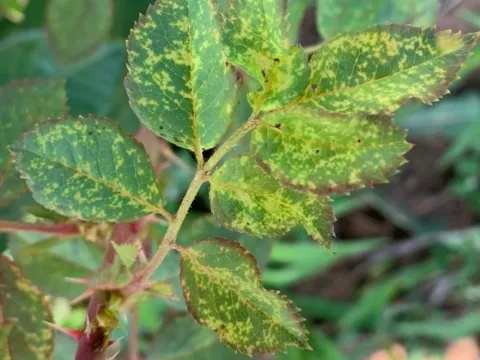
The primary clinical signs of Pelarspovirus rosae infection include chlorotic mosaic patterns on the foliage. Vein clearing and irregular yellowish blotches are common, which disrupt the aesthetic quality of the leaves.
Infected leaves often exhibit malformations, including twisting, curling, or asymmetric growth. These symptoms are signs of a severe disruption in hormone distribution within the plant tissues.
Affected rose bushes typically show signs of stunting. Shortened internodes and reduced overall growth velocity are clear indicators that the virus is impacting the plant's metabolic functions.
Flower symptoms are particularly damaging for the floriculture industry. Petals may show color-breaking, streaks, or spots, which ruins the commercial value of the blooms.
- Chlorotic mosaic or vein banding on leaves
- Leaf deformation, curling, or wrinkling
- General stunted growth of the plant
- Color-breaking or spotting on flower petals
The transmission of the virus is primarily driven by vegetative propagation. Using infected scions or rootstocks for grafting is the most common method of spreading the pathogen into new areas.
Mechanical transmission via contaminated tools is a critical factor. Pruning equipment that is not disinfected between individual plants acts as a direct vector, transferring infectious sap from diseased bushes to healthy ones.
High humidity and moderate-to-warm temperatures are considered favorable for the rapid replication of the virus within the plant tissues during the active growing season.
Environmental stress, such as improper water management or nutrient deficiencies, weakens the plant's immune system, making it easier for the virus to establish a severe systemic infection.
While specific insect vectors for Pelarspovirus rosae are still being researched, sap-sucking insects like aphids and thrips are known to be potential agents for mechanical transmission in rose plantations.
The economic impact of Pelarspovirus rosae is largely defined by the loss of ornamental value. Roses showing viral symptoms are unsellable, leading to significant financial losses for commercial nurseries.
Persistent viral infection leads to the gradual decline of rose varieties. Plants that carry the virus become progressively weaker over seasons, losing their typical vigor and blooming potential.
Increased susceptibility to secondary infections is a major secondary harm. Virus-weakened plants are more prone to fungal diseases such as black spot and powdery mildew, complicating the maintenance of the collection.
Management costs increase significantly due to the necessity of strict quarantine measures and the potential need for destroying entire nursery stocks to eradicate the pathogen.
Because there is no curative treatment for viral diseases, once a rose bush is infected with Pelarspovirus rosae, it remains a permanent source of infection until it is removed.
Preventative measures are the only reliable way to manage this virus. Growers should exclusively use certified, virus-tested propagation material from reputable laboratories.
Strict sanitary protocols must be enforced during all pruning operations. Disinfecting tools with alcohol or appropriate antiviral agents after every single plant is mandatory to stop mechanical spread.
Regular inspection of rose collections is vital. Any plants showing suspicious mosaic patterns, color-breaking, or stunting should be immediately rogued out and destroyed to prevent further transmission.
Managing the population of potential insect vectors, such as aphids, using integrated pest management strategies, helps to reduce the risk of secondary infections within the greenhouse or garden.
Maintaining optimal growing conditions ensures that roses remain as healthy as possible, which may help them resist the expression of viral symptoms for longer periods, even if latent infection is present.