
Pepino mosaic virus
Potexvirus pepini
Pepino mosaic virus (PepMV) is a highly contagious plant pathogen belonging to the Potexvirus genus and the Alphaflexiviridae family. It is known for its extreme stability and ease of transmission via mechanical contact, making it a major threat to protected cultivation.
What the section contains
Pepino mosaic virus
The virus primarily affects Solanaceous crops, with tomatoes being the most economically significant host. It has also been identified in peppers, eggplants, and pepino plants, often causing severe production losses in greenhouse environments.
PepMV is a positive-sense single-stranded RNA virus. Due to its high rate of mutation and recombination, multiple strains have evolved, which can exhibit varying degrees of virulence and can overcome the resistance of some commercial plant varieties.
The pathogen is highly persistent, capable of surviving in plant debris, soil, irrigation water, and on contaminated tools or surfaces. It can also be transmitted via seeds and, in some cases, by bumblebees used for pollination in greenhouses.
Infection often begins with a latent phase, where the plant appears asymptomatic while actively harboring and shedding the virus, allowing it to spread silently through a facility before initial symptoms appear.
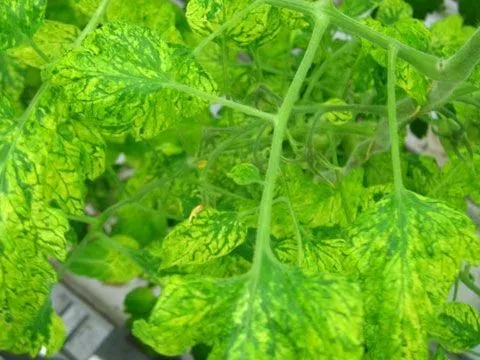
Symptoms of PepMV infection are highly variable and influenced by the viral strain, environmental factors, and the plant's growth stage. Leaf mottling, characterized by patches of light and dark green discoloration, is the most common and recognizable feature.
Affected plants often exhibit leaf distortion, bubbling, and stunted growth. In severe cases, the apical shoots may become curled or bushy, significantly reducing the photosynthetic capacity of the plant.
Fruit symptoms are particularly damaging to marketability. These include uneven ripening, distinct color variations often described as "marbling," and in some cases, flamed or blotchy patterns that render the fruit unsellable.
The root system can also be affected, leading to reduced nutrient uptake, which further weakens the plant and makes it more susceptible to environmental stress and secondary pathogen colonization.
- Mottled leaf patterns and discoloration
- Leaf curling and deformation
- Marbling or uneven ripening of fruits
- Reduced plant vigor and stunted growth
PepMV spreads most efficiently in the warm and humid climate of a greenhouse. Optimal development typically occurs at temperatures between 18°C and 25°C, where the virus can survive on surfaces for several weeks.
The primary driver of transmission is human activity. Routine cultural operations such as pruning, thinning, and harvesting provide numerous opportunities for the virus to spread when tools or hands come into contact with both healthy and infected plants.
Hydroponic systems with recirculating nutrient solutions are high-risk environments. If the water is not properly disinfected via UV or heat treatment, the virus can circulate throughout the entire crop, leading to rapid, systemic infection.
Contaminated equipment, clothing, and footwear serve as effective vectors. The virus remains infectious on plastic trays, gloves, and machinery, emphasizing the need for strict sanitation protocols.
High plant density in commercial greenhouses facilitates the rapid movement of the virus from the initial point of infection throughout the entire production cycle.
The economic impact of Pepino mosaic virus is substantial, primarily due to direct yield losses and the downgrading of fruit quality. In heavy infestations, marketable yield can be reduced by over 50%.
Beyond quantity, the quality of the fruit is severely degraded. Blotchy ripening and poor aesthetic appearance make the produce unacceptable for fresh market sale, leading to significant financial losses for growers.
Weakened plants are more susceptible to secondary infections by fungi and bacteria. This necessitates increased pesticide usage, which drives up production costs and complicates integrated pest management strategies.
The cost of managing an outbreak is high, involving mandatory disinfection of the entire greenhouse structure, disposal of infected plant material, and potential loss of revenue during the decontamination period.
In many regions, PepMV is a regulated pathogen. Its presence in a greenhouse can trigger strict quarantine measures, hindering the ability of the grower to trade or export produce internationally.
Strict biosecurity is the most effective management strategy. This includes the use of footbaths, specialized protective clothing, and ensuring that all staff follow rigorous hygiene protocols when entering and exiting greenhouse blocks.
Tools used for pruning and harvest must be disinfected after every single plant or, at the very least, between rows to prevent cross-contamination. Dedicated tools should be assigned to specific zones if an infection is suspected.
Implementing a "mild-strain cross-protection" program, where young plants are intentionally inoculated with a mild, non-symptomatic strain of the virus, can sometimes prevent more aggressive strains from establishing themselves.
Regular diagnostic screening using PCR or ELISA methods is essential for early detection. Monitoring allows for the prompt identification and removal of infected plants, which is crucial for limiting the spread.
Comprehensive sanitation of the greenhouse between growing seasons, including the removal of all organic matter and thorough chemical disinfection of structures and irrigation lines, is vital for breaking the disease cycle.