
Pelarspovirus
Pelarspovirus
The causative agent of the disease is the Pelarspovirus, a member of the Tombusviridae family. This pathogen specifically targets ornamental plants, with a high affinity for Pelargonium species.
What the section contains
Pelarspovirus
The virus is characterized by its remarkable stability in the environment, allowing it to survive on contaminated surfaces, tools, and plant debris for extended periods.
Infection occurs primarily through mechanical transmission, where viral particles enter the host plant tissues through minor wounds or abrasions sustained during maintenance.
Once inside, the virus hijacks the cellular machinery of the plant, leading to systemic infection and significant disruption of vital physiological processes like nutrient transport and photosynthesis.
The biological complexity of this pathogen includes the ability to remain latent within a host, making it difficult to detect before symptoms appear under stress conditions.
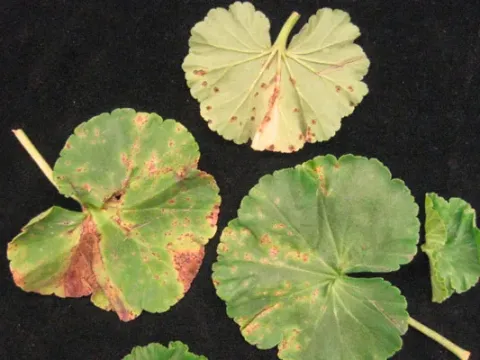
The hallmark symptoms of Pelarspovirus infection include chlorotic spots on leaves, which frequently develop into distinct concentric ring patterns.
Affected plants often display signs of stunted growth, leaf deformation, and abnormal curling, which severely compromise the aesthetic quality of the specimen.
In certain cultivars, the virus may present as mosaic-like patterns, alternating light and dark green areas on the leaf blade, indicating disrupted pigment synthesis.
Necrotic lesions can also appear as the infection progresses, potentially leading to premature leaf senescence and shed, weakening the overall plant structure.
Visual symptoms can fluctuate based on environmental stress, often becoming more pronounced when the plant is under high heat or suboptimal growth conditions.
High plant density in greenhouses facilitates the rapid spread of the virus through physical contact between healthy and infected foliage.
Temperatures ranging from 20 to 25 degrees Celsius are optimal for viral replication, which is often when the virus spreads most aggressively throughout a collection.
The use of contaminated cutting tools remains the primary vector for transmission in horticultural settings, where a single infected plant can contaminate an entire batch.
Environmental stress, such as poor ventilation or erratic watering, significantly lowers the plant's natural resistance, making it more susceptible to systemic viral invasion.
The persistence of the virus in the rhizosphere or on greenhouse benches means that sanitation is vital for preventing re-infection of new plant stocks.
The primary impact of Pelarspovirus is the loss of commercial value, as symptomatic plants are deemed unfit for sale due to their unsightly appearance.
Systemic infection leads to decreased plant vigor, reduced bloom count, and poor root development, ultimately hindering the plant's growth cycle.
For breeders and nursery owners, the virus represents a significant economic threat, as it reduces the viability of cuttings and compromises the health of mother plants.
Since there are no chemical treatments available to cure viral infections in plants, the long-term presence of the virus poses a permanent risk to greenhouse inventory.
The virus serves as a continuous reservoir for further spread within a collection, necessitating drastic eradication measures to protect neighboring plants.
The most effective strategy is the immediate removal and destruction of symptomatic plants to eliminate the source of the virus within the growing area.
Strict hygiene protocols, including the thorough sterilization of pruning tools with alcohol or appropriate disinfectants between plants, are mandatory.
Preventive measures include sourcing high-quality, virus-indexed stock and maintaining a strict quarantine period for all new plant acquisitions.
Environmental management, including good ventilation and weed control, helps minimize the stress that often predisposes plants to viral infections.
- Regular inspection for early detection
- Use of certified pathogen-free media
- Pest management to control potential vectors
- Disinfection of greenhouse benches and floors