
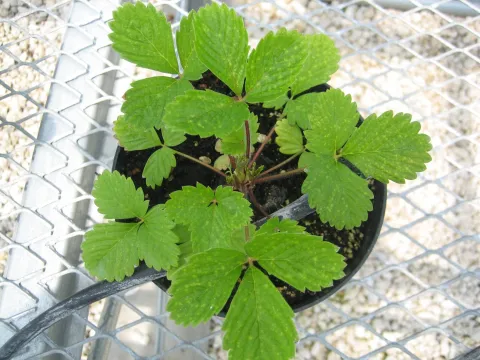
Strawberry necrosis
Strawberry necrosis
Strawberry necrosis is primarily associated with the activity of soil-borne pathogens, including Phytophthora species and Fusarium oxysporum, which attack the plant's vascular system. Viral infections can also cause necrotic tissue death in strawberry plants.
What the section contains
Strawberry necrosis
This disease is categorized as a systemic infection that disrupts the transport of nutrients and water. The pathogen can persist in the soil for several years through dormant spores or mycelium.
The infection process is triggered when the host plant is stressed or weakened by environmental factors. Pathogens typically enter through root damage or microscopic lesions on the leaves and stems.
Once established, the pathogen spreads through the plant's xylem, causing blockages that prevent normal transpiration. This leads to the characteristic symptoms of wilting and tissue necrosis.
The biology of the pathogen makes it highly resilient to harsh conditions. Effective management requires understanding the pathogen's life cycle and its dependency on moisture levels.
The initial sign of strawberry necrosis is the yellowing and wilting of older leaves. As the disease progresses, the leaf margins develop dark, necrotic brown spots that eventually dry out.
A diagnostic sign is the darkening of the vascular tissue inside the crown or rhizome. When cut, the crown of an infected plant often reveals a discolored or necrotic ring.
Infected plants show stunted growth and a general lack of vigor. The root system is often poorly developed, showing signs of decay or browning, which prevents nutrient uptake.
In advanced stages, the entire plant collapses. The leaves become brittle and dry, and the plant can be easily pulled from the soil due to extensive root system failure.
- Yellowing of lower foliage.
- Brown necrotic patches on leaf margins.
- Vascular browning inside the crown.
- Stunted plant growth and vigor.
- Deterioration of the root system.
The disease thrives in poorly drained, heavy soils where water stagnation occurs. Excess moisture is the primary driver of pathogen spread within the root zone.
High temperatures combined with high humidity create the perfect environmental conditions for fungal proliferation. Poor crop rotation practices significantly increase the prevalence of the disease.
The use of infected transplants is the most common method of introducing the disease to new fields. Pathogens can also be spread by contaminated farm machinery and irrigation water.
Nutritional imbalances, particularly a deficiency in copper or boron, can leave plants susceptible to infection. Environmental stress, such as sudden temperature shifts, weakens the plant's immune response.
Poor ventilation in high-density plantings promotes a humid microclimate that favors disease spread. Maintaining optimal spacing is essential for plant health.
Strawberry necrosis is a devastating condition that can lead to high plant mortality in commercial fields. Crop yields can be reduced by up to 70% in highly infected areas.
Fruits produced by infected plants are often deformed, small, and of poor taste, making them unsuitable for market. This significantly impacts the economic viability of the farm.
Total plant loss forces growers to renovate fields earlier than planned, leading to significant capital losses. Once a field is infested, it often requires a long period of fallow or soil solarization.
The rapid spread of the pathogen to healthy neighboring plants makes containment difficult. Without strict management, the disease can wipe out an entire seasonal harvest.
Economic damage is compounded by the high cost of disease management and the potential loss of future planting cycles on the affected land.
The primary control measure is the use of certified, disease-free nursery stock. Inspecting transplants before planting is crucial for preventing infection.
Strict crop rotation is necessary, with a break of at least 4-5 years between strawberry plantings. Use non-host crops like cereals or green manures to break the disease cycle.
When an infected plant is identified, it should be immediately removed and destroyed off-site, including the surrounding soil. Sanitize all tools that come in contact with diseased plants.
Preventative application of systemic fungicides is recommended during the pre-flowering and post-harvest stages. Ensure that chemical applications are part of an integrated pest management (IPM) strategy.
Improve soil drainage and maintain balanced soil fertility. Avoid excessive nitrogen fertilization, which can promote lush growth susceptible to pathogen attack.