
Strobilomycetaceae
Strobilomycetaceae
Description
Pathogen
Strobilomycetaceae is a family of fungi belonging to the order Boletales. It is critical to note that this object is not a plant disease or a pathogen affecting agricultural crops.
Biologically, these are basidiomycete fungi. They typically form sporocarps with a tubular hymenophore and are widely recognized for their symbiotic relationships with trees rather than as plant parasites.
The nutritional strategy of these fungi is either mycorrhizal or saprotrophic. They are essential for forest ecosystem health, aiding in nutrient cycling and soil improvement, which distinguishes them from destructive agricultural pathogens.
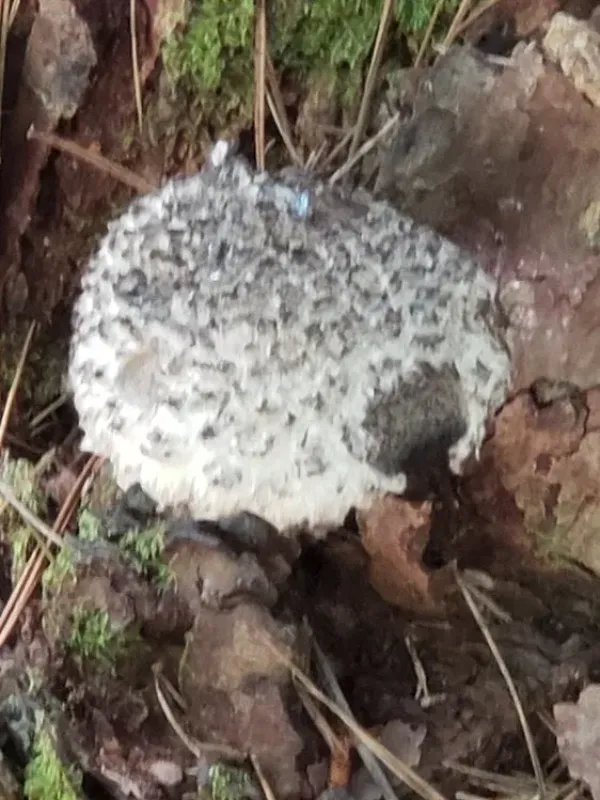
Morphologically, these fungi are often distinguished by their scaly caps and dark, sometimes blackish, spore prints. This physical appearance helps mycologists identify them in natural forest environments.
From an agronomic perspective, the presence of Strobilomycetaceae indicates a healthy soil ecosystem near forests. They do not threaten crop safety or produce toxins that could harm commercial vegetation.
Conditions for development
The development of these fungi depends on the presence of woody plant hosts. Favorable conditions include consistent soil moisture and moderate temperatures, typical of a healthy forest floor.
The soil environment must be rich in organic matter. Unlike agricultural pathogens that thrive in crop monocultures, these fungi require stable, long-term symbiotic associations with perennial trees.
Mycelial growth is concentrated in forest leaf litter. Environmental factors, particularly rainfall, trigger the emergence of fruiting bodies during the late summer and early autumn seasons.
Temperature fluctuations can affect their growth, with an optimal range typically between 15°C and 22°C. Excessive heat or soil frost can limit their reproductive activity.
Their distribution is strictly limited to ecosystems where appropriate mycorrhizal host trees are present, effectively preventing them from becoming an issue in cleared agricultural fields.
Why it matters
Strobilomycetaceae fungi cause no economic damage to any agricultural crops. They are entirely benign to cultivated plants and do not require any plant protection measures or chemical control.
Their impact on the environment is considered positive. By decomposing organic matter and forming mycorrhizae, they contribute to the overall productivity and resilience of nearby forest belts.
These fungi are not classified as pests or pathogens. There is no evidence of them infecting food crops, grains, or horticultural plants under any environmental conditions.
The presence of these fungi supports natural biodiversity. Their role in the soil ecosystem is beneficial, helping to maintain fertility and structure, which indirectly supports adjacent land quality.
No protection or prevention protocols exist for these fungi because they pose no risk. They are a natural part of the environment that requires no intervention from agronomists.
Discussion
No discussions yet — be the first.