
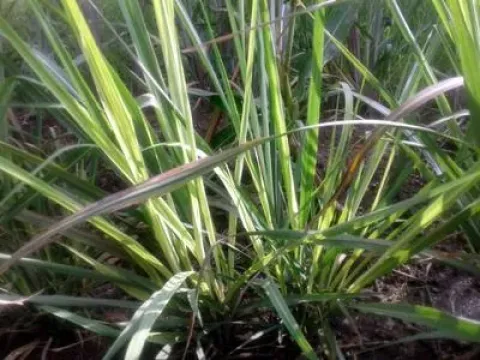
Sugarcane grassy shoot
Sugarcane grassy
The disease is caused by Candidatus Phytoplasma oryzae, a specialized phytoplasma that resides within the phloem tissues of the host plant. These organisms lack a cell wall and are obligate parasites.
What the section contains
Sugarcane grassy shoot
Once inside the host, the pathogen disrupts the translocation of assimilates, which is essential for plant growth and sugar storage. This leads to profound physiological changes in the sugarcane plant.
Phytoplasmas cannot be grown on artificial culture media, which makes laboratory identification challenging. Diagnosis is typically achieved through molecular techniques like PCR to detect specific DNA markers.
The pathogen persists in infected cane stalks and can also survive in alternative grass hosts, making it difficult to eradicate from the surrounding ecosystem.
The infection is transmitted by the leafhopper Deltocephalus vulgaris. When the insect feeds on infected plants, it acquires the phytoplasma and subsequently introduces it into healthy plants during feeding.
The most prominent symptom is excessive tillering, resulting in a dense cluster of thin, spindly shoots that resemble a clump of grass rather than a cane plant.
Leaves on infected shoots appear pale yellow or chlorotic. They are often significantly narrower than leaves on healthy plants, indicating a disruption in normal leaf development.
The main stem growth is severely stunted or completely arrested. Resources are diverted into producing numerous abnormal, weak side shoots instead of a harvestable stalk.
Internodes become shortened and deformed. Infected stools appear stunted and fail to reach maturity, leading to a significant loss in total biomass production.
- Abnormal, profuse tillering (grassy appearance).
- Chlorotic and narrow leaves.
- Severe stunting and dwarfing.
- Poor internode development.
- Lack of sucrose accumulation.
The disease spreads most rapidly during warm, humid conditions that favor the proliferation and movement of leafhopper vectors across sugarcane fields.
High weed density, particularly wild grasses acting as reservoir hosts, plays a critical role in maintaining the disease pressure near commercial fields.
The use of infected sets (cuttings) for planting is the primary driver of disease distribution within and between fields, facilitating long-distance transmission.
Poor agronomic management, including failure to control weeds and insect vectors, provides the environment necessary for the disease to escalate into an epidemic.
Environmental stress, such as drought, can exacerbate the damage, but the symptoms typically become most visible during periods of active growth following moisture availability.
Sugarcane grassy shoot disease causes devastating yield losses, often rendering entire blocks of sugarcane unproductive and economically non-viable.
There is a drastic reduction in sucrose content in the stalks, which significantly decreases the sugar recovery rate during processing at mills.
The accumulation of the disease over several seasons leads to the degradation of the crop, necessitating costly replanting and land clearing efforts.
Economic damage is compounded by the expenses associated with chemical pest control and the need for frequent replacement of the planting material.
The disease effectively limits the productive lifespan of a ratoon crop, forcing farmers to harvest earlier or abandon the field entirely due to low quality.
The primary prevention strategy is the exclusive use of healthy, disease-free seed cane sourced from nurseries that are strictly monitored for phytoplasma infection.
Heat therapy, involving the treatment of seed canes with hot water or moist hot air, is an effective method to eliminate the pathogen from the planting material.
Implementing a strict rogueing program, where infected stools are identified and removed as soon as symptoms appear, is crucial for limiting the spread within a field.
Management of the insect vector population through timely application of systemic insecticides can help reduce the frequency of new infections.
Long-term control relies on the development and adoption of resistant sugarcane varieties, combined with integrated pest management practices to maintain plantation health.