
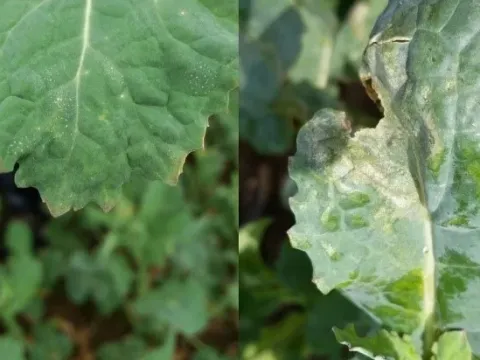
Cylindrosporium
Cylindrosporium spp.
The pathogen responsible for this disease is a group of imperfect fungi belonging to the genus Cylindrosporium (Cylindrosporium spp.). These fungi are highly specialized pathogens that primarily target the foliage of host plants.
What the section contains
Cylindrosporium
The fungus overwinters as mycelium and conidia within fallen leaves and decaying plant debris. This reservoir of inoculum serves as the primary source of infection in the following spring.
The life cycle involves the formation of conidial spore beds, which appear as creamy or white pustules on the underside of leaves. These spores are dispersed primarily by rain splash and air currents.
The pathogen is highly adapted to exploit periods of moisture to colonize leaf tissues. It enters the host plant through stomata or minor mechanical wounds on the epidermis.
Various species of Cylindrosporium are known to infect a wide range of hosts, most notably stone fruit trees, causing significant stress to the plant's physiological functions.
Early symptoms appear as small, circular, reddish-brown spots on the leaves. These spots gradually darken and may develop a distinct margin as the necrotic area expands.
A diagnostic feature is the appearance of light-colored, cushion-like fruiting bodies on the underside of the spots. These represent the sporulation of the fungus.
As the infection progresses, the spots coalesce, covering a large surface area of the leaf. This leads to chlorosis and premature defoliation, which can occur mid-season.
Infected fruits may display sunken lesions, which negatively impact their aesthetic appeal and market value. Young shoots can also exhibit lesions, potentially leading to bark cracking.
Severe infestations result in heavy defoliation, leaving the tree canopy sparse. This weakening effect is visible across the entire tree, often showing progressive symptoms from the lower branches upwards.
The disease thrives in environments characterized by high humidity and moderate temperatures. Persistent rainfall during the growing season is the most significant factor for rapid disease spread.
Poor air circulation, often found in densely planted orchards, creates an ideal microclimate for the pathogen. Stagnant air keeps foliage wet for longer periods, facilitating spore germination.
Optimal development usually occurs at temperatures between 15°C and 22°C. Frequent dew formation or mist can provide sufficient moisture even in the absence of heavy rain.
Neglecting orchard sanitation allows the pathogen to accumulate over years. When combined with excessive nitrogen fertilization, the foliage becomes more susceptible to attack.
Insufficient pruning and lack of light penetration within the canopy are major drivers for localized outbreaks within the orchard environment.
The primary damage caused by Cylindrosporium is premature defoliation, which drastically reduces the plant's photosynthetic capacity. This prevents the tree from storing sufficient energy for the next season.
Trees weakened by the disease exhibit lower cold hardiness. In severe cases, the depletion of carbohydrate reserves leads to winter injury or even the death of the tree.
Crop yields suffer both in quantity and quality, as fruits fail to mature properly or reach standard market sizes. This leads to substantial financial losses for growers.
The weakened state of the plant makes it more susceptible to secondary pests and opportunistic pathogens, further complicating the long-term management of the orchard.
Continuous pressure from the disease forces a decline in the tree's productive lifespan, often necessitating the premature removal and replanting of entire orchard blocks.
Effective management begins with strict sanitation. Collecting and destroying all fallen leaves in the autumn is essential to eliminate the primary overwintering sites of the fungus.
Pruning is a critical cultural practice; it improves light penetration and air movement, reducing the duration of leaf wetness and making the environment less hospitable for the pathogen.
Chemical control involves the application of fungicides during the growing season. It is vital to time applications preventively, particularly during wet weather periods.
- Copper-based sprays applied during the dormant season to reduce initial inoculum.
- Systemic fungicides from the triazole or strobilurin classes during the leaf expansion phase.
- Constant monitoring and prompt removal of heavily infected branches.
Maintaining balanced soil nutrition, with proper potassium levels, helps strengthen the plant's cell walls and overall resistance to pathogenic infiltration.