
Ascobolus
Ascobolus
The genus Ascobolus belongs to the Ascomycota phylum and is primarily known as a group of fungi that thrive on decaying organic material. While many species are coprophilous, they can colonize plant debris in agricultural settings.
What the section contains
Ascobolus
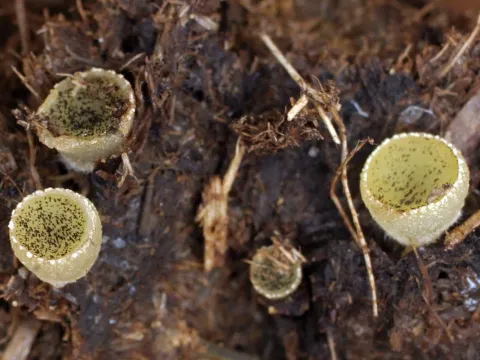
These fungi produce distinctive reproductive structures called apothecia, which appear as small, cup-shaped discs. They are often bright in color, ranging from yellow to green or brown.
The biological cycle involves the production of asci, which discharge spores forcefully into the air. This mechanism allows the fungus to colonize new substrates efficiently when moisture levels are high.
In phytopathology, Ascobolus acts as a decomposer. While it is rarely the primary pathogen of healthy plants, it can establish itself on weak or decaying tissues, contributing to the overall decline of plant health in humid conditions.
The mycelium network spreads through the substrate, secreting enzymes that break down organic matter. This biological activity is essential for nutrient cycling but can be problematic in intensive greenhouse environments.
The primary symptom of Ascobolus infection is the emergence of small, cup-like structures on the surface of decaying stems, leaves, or soil media. These are often clustered together.
The upper surface of the apothecia may appear granular or "sandy" due to the maturing spore-bearing cells. This texture is a distinct visual marker for identifying the presence of the fungus.
Infected areas often show signs of rapid tissue softening or slime, indicating that the fungus is actively consuming the plant material at that site.
Plants affected by the fungus may exhibit signs of wilting or chlorosis if the growth occurs near the root collar, where the fungus competes for moisture and interferes with gas exchange.
- Appearance of distinct cup-shaped apothecia.
- Localized softening and decay of plant tissue.
- Grainy or speckled texture on fungal growth.
- Development of unpleasant, musty odors in damp areas.
High moisture levels are the most critical factor for the development of Ascobolus. The fungus requires constant water availability to form its reproductive bodies and expand its mycelium.
Poor aeration in greenhouses or overly dense planting patterns creates microclimates with stagnant air, which is highly favorable for the proliferation of this fungus.
Temperatures ranging from 15 to 25 degrees Celsius support optimal fungal metabolism and spore release, making the spring and autumn periods particularly high-risk.
The presence of nitrogen-rich decaying organic matter provides an ideal nutrient source for Ascobolus to establish and flourish rapidly.
Lack of direct sunlight helps the fungus survive, as ultraviolet light effectively inhibits its growth and causes the delicate apothecia to desiccate.
The primary damage is caused by the accelerated degradation of organic material. In vulnerable crops, this can lead to secondary infections and root system compromises.
By breaking down the physical structure of plants, the fungus creates portals for other, more aggressive bacterial and fungal pathogens to enter the host plant.
In decorative and nursery settings, the presence of these fungi significantly reduces the visual appeal and market quality of the crops.
The presence of large colonies of Ascobolus can lead to increased management costs, as growers must invest in sanitation and decontamination to prevent spread.
Overall, the fungus acts as a biological indicator of poor environmental conditions, signaling that the sanitation and humidity control in the growing area are inadequate.
Strict sanitation is the most effective way to prevent Ascobolus. Removing all plant debris and fallen leaves promptly prevents the fungus from finding a host to colonize.
Improving greenhouse ventilation and soil drainage is essential to reduce humidity. By maintaining a drier surface environment, you deny the fungus the moisture it needs.
Regular cultivation of the topsoil layer can help aerate the surface, promoting faster drying and preventing the establishment of fungal colonies.
If chemical control is necessary, select fungicides that target Ascomycota, although cultural practices are generally more successful in managing this type of fungus.
Ensure that all planting media are sterilized or high-quality, as contaminated soil is a common source of the fungal spores that initiate the infection cycle.