
Ascobolus carbonarius
Ascobolus carbonarius
Description
Symptoms
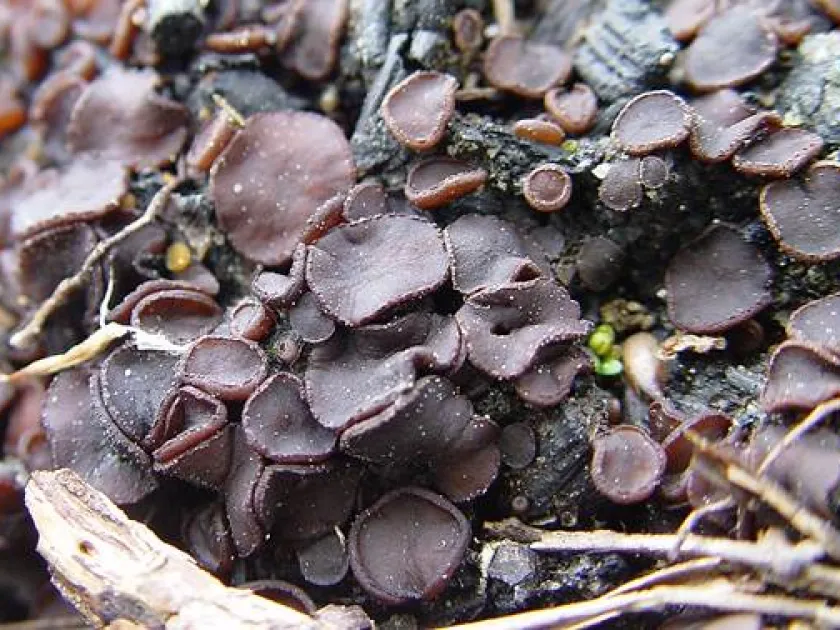
The most visible signs of Ascobolus carbonarius are its apothecia, which are small, cup-shaped fruiting bodies. These bodies typically range from 2 to 10 millimeters in size.
The color of the apothecia ranges from yellowish-brown to dark brown or even black, allowing them to blend into the charred surface where they grow.
When viewed closely, the surface of the fruiting body appears dotted with tiny, darker specks. These are the tips of the asci containing the spores, which protrude from the surface.
The fungi often appear in clusters, forming patches on the surface of charcoal or burnt wood. These patches can be quite dense following periods of rain or high humidity.
They are most noticeable in the early stages of post-fire colonization, though they may persist as long as suitable substrates remain available.
Pathogen
Ascobolus carbonarius is a species of ascomycete fungus belonging to the Pezizales order. It is recognized as a pyrophilous fungus, which means it thrives specifically on substrates that have undergone burning.
The fungus is a saprotroph that specialized in decomposing organic matter within charcoal or charred soil environments. It is not a primary plant pathogen, but it is a frequent inhabitant of post-fire ecosystems.
Biologically, the organism is adapted to high pH levels and high mineral concentrations that are typically found in fresh ash layers. It occupies these niches rapidly before other organisms can establish.
Its mycelium extends through the charcoal, breaking down complex carbon compounds. The growth of this fungus is often considered a successional stage in the recovery of forest soils.
In a controlled environment, such as a nursery, the presence of this fungus is often indicative of using uncomposted or poorly processed materials containing burnt debris.
Conditions for development
The primary requirement for the development of this fungus is the presence of charcoal, wood ash, or charred plant material. It is rarely found on undisturbed soil.
Moisture is a critical limiting factor. While the fungus thrives in the high-mineral environment of an ash bed, it requires sufficient water to produce its fruiting bodies.
Exposure to light and open conditions on scorched land facilitates the maturation of spores, which are then dispersed by wind or water across the burned area.
Temperature fluctuations, common in exposed post-fire environments, do not significantly hinder the growth of Ascobolus carbonarius, as it is adapted to these conditions.
The fungus is most active during the spring and autumn months, provided that the burnt substrates have not been washed away by heavy precipitation.
Why it matters
Ascobolus carbonarius does not cause direct economic damage to agricultural crops. It is generally regarded as an ecologically important decomposer in natural settings.
The potential harm lies in its role as a competitor in forest nurseries. If present in potting soil, it may compete for space and nutrients with young seedlings.
By consuming organic matter, it can alter the chemical composition of the substrate, which may be undesirable in high-value seedling production programs.
Massive colonization in a greenhouse setting may be unsightly and might interfere with the intended growth media characteristics for sensitive plant species.
Overall, it is considered a nuisance species rather than a dangerous agricultural pest, but its presence signifies a deviation from ideal hygiene practices in nursery management.
Protection
Effective management begins with strict quality control of substrates used for plant growth. Materials containing charred wood or ash should be avoided in sensitive environments.
If the fungus is found in greenhouses, the infected growing medium should be removed and discarded. Proper sanitation of containers and pots is necessary to prevent recurrence.
Deep cultivation or incorporating soil amendments can change the soil structure and pH, making it less favorable for the survival of pyrophilous species like Ascobolus carbonarius.
The use of biological control agents, such as beneficial Trichoderma species, can help suppress the growth of unwanted fungi by creating a competitive environment.
Preventive measures include ensuring that any organic composts used are fully decomposed and free from any traces of burnt material that could host this fungus.
Discussion
No discussions yet — be the first.