
Ascobolaceae
Ascobolaceae
The family Ascobolaceae comprises a group of ascomycete fungi, primarily recognized as coprophilous organisms. They typically colonize substrates rich in organic matter, including herbivore dung, but can also thrive in agricultural soils with high organic content.
What the section contains
Ascobolaceae
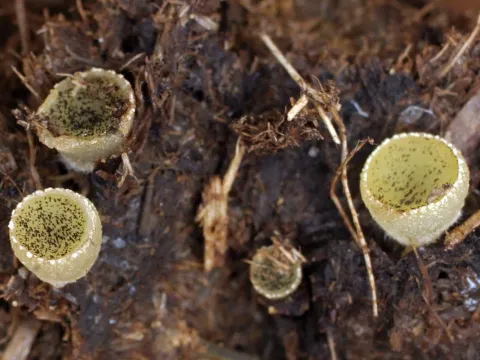
These pathogens produce distinct fruiting bodies known as apothecia. These structures are often brightly colored and project above the substrate to ensure efficient spore dispersal via a pressurized release mechanism.
Reproduction occurs through sexual spores formed within asci. This mechanism allows the fungi to colonize new environments rapidly when environmental conditions are conducive to their growth.
Although they are not always primary plant parasites, their prevalence in agricultural ecosystems serves as an indicator of poor sanitation and excessive use of raw organic fertilizers.
The biology of Ascobolaceae is closely tied to the decomposition of complex organic compounds, which makes them significant players in the nutrient cycling processes within the soil profile.
The first signs of infestation are the appearance of small, disc-shaped fruiting bodies on the surface of damp substrate, often exhibiting vibrant yellow, orange, or brown colors.
Mass accumulation of these fungi on plant residues or over-fertilized soil results in patchy growths that can eventually cover large areas of the substrate during peak sporulation.
When the mycelium comes into contact with living plant tissues, visual symptoms may include localized discoloration or wilting, caused by fungal metabolic products diffusing into the host plant.
Mature apothecia often exhibit dark spots on the surface, which represent the tips of asci protruding to facilitate the release of mature ascospores into the surrounding air.
Visually, the initial mycelial growth appears as a fine, cobweb-like texture that develops rapidly under high-humidity conditions, signaling a potential build-up of the fungal population.
High moisture levels are the most critical factor driving the development and reproduction of these fungi. Drying conditions quickly inhibit their growth and desiccate the fruiting bodies.
Access to specific organic nutrition, such as incompletely composted manure or dense plant debris, provides the necessary environment for the fungi to proliferate aggressively.
The optimal temperature range for the activity of Ascobolaceae is between 18°C and 25°C, which shortens the life cycle and promotes rapid sporulation.
Light exposure plays a crucial role in the phototropic orientation of the apothecia, guiding the dispersal of spores into open air currents for maximum spread within the greenhouse or field.
Soil pH levels nearing neutral conditions are generally most favorable, allowing the mycelium to efficiently utilize organic substrates for biomass production.
The primary concern regarding these fungi is their role in displacing beneficial soil microbiota, which can negatively affect nutrient uptake and the overall health of the crop's root system.
They can act as secondary pathogens, exacerbating the impact of primary infections by competing with healthy microflora and weakening the physiological state of the plants.
In greenhouse settings, their presence can reduce the commercial value of produce due to superficial contamination and the general unsightly appearance of the growing area.
Metabolic waste products secreted during substrate decomposition can exhibit phytotoxic effects, potentially stunting the development of seedlings in the early growth stages.
The accumulation of massive amounts of airborne spores can lead to sanitary issues, necessitating additional disinfection efforts and increasing production costs.
The foundation of control is the use of thoroughly composted organic matter, which eliminates the primary food source required for the fungal colonization of agricultural substrates.
Proper ventilation in greenhouses and strict moisture management are essential to limit the growth of apothecia and prevent the wide dispersal of fungal spores.
Chemical fungicide application is typically reserved for severe outbreaks where the fungi threaten the crop's integrity, with preference given to eco-friendly biological alternatives.
- Optimization of irrigation schedules to avoid soil waterlogging.
- Regular cleaning and disinfection of growing surfaces.
- Improving soil aeration to reduce humidity pockets.
Preventative measures also include the prompt removal of decaying plant debris, which effectively minimizes the formation of new infection sites in subsequent growing seasons.