
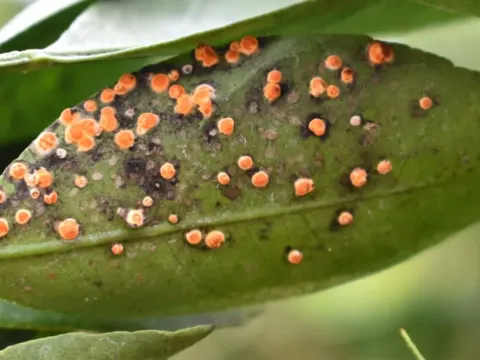
Aschersonia aleyrodis
Aschersonia aleyrodis
Aschersonia aleyrodis is a specialized entomopathogenic fungus that targets whiteflies (Aleyrodidae). It is a well-documented biological agent utilized in sustainable agriculture for pest suppression.
What the section contains
Aschersonia aleyrodis
Unlike plant-pathogenic fungi that cause diseases in crops, this organism is beneficial to agriculture. It functions by infecting and killing the larvae and pupae of the targeted insect pests.
The fungus spores, or conidia, adhere to the surface of the insect cuticle. Upon germination, the fungal hyphae penetrate the host body, ultimately leading to the death of the insect due to nutrient depletion.
The lifecycle of Aschersonia aleyrodis is intrinsically linked to the presence of host insects. It thrives in high-density pest populations, effectively acting as a natural regulator.
Due to its high level of host specificity, this fungus is a safe alternative to broad-spectrum chemical insecticides, as it does not affect beneficial organisms or plants.
Environmental factors play a vital role in the effectiveness of Aschersonia aleyrodis. The fungus requires high humidity levels, ideally above 80 percent, to successfully germinate and propagate.
Optimal temperature conditions range between 22 and 28 degrees Celsius. Within this thermal range, the fungus exhibits maximum infection rates among the whitefly population.
Greenhouses and glasshouses provide the most suitable microclimate for this entomopathogen. Controlled irrigation and misting systems help maintain the required moisture on leaf surfaces.
Direct exposure to strong sunlight should be avoided during application. UV radiation can be detrimental to the viability of the fungal spores shortly after they are sprayed onto the plants.
Adequate water availability is essential not only for the fungus but also for the survival of its insect hosts, ensuring a continuous cycle of biological control.
From an agronomic perspective, Aschersonia aleyrodis is not a disease of plants. It does not cause wilting, necrosis, or structural damage to the host crop.
The fungus is specifically harmful to whitefly nymphs and pupae. Infested insects typically turn bright white or orange due to the growth of fungal mycelia, signaling the eventual decline of the pest colony.
By controlling whiteflies, the fungus indirectly prevents plant damage caused by the sap-sucking habits of the pests and reduces the transmission of viral diseases.
The efficacy of this biological control agent depends on early detection of pest presence. Once the colony is established, the fungus can effectively suppress further outbreaks.
Consequently, the presence of the fungus on a plant is a sign of natural protection and a healthy, chemically-free growing environment.
The management strategy for whiteflies using Aschersonia aleyrodis involves the systematic application of fungal spore suspensions. These preparations are sprayed over the infested crop canopy.
Precise application is crucial: the spray must reach the underside of the leaves where whitefly nymphs reside. Coverage efficiency directly impacts the percentage of pest mortality.
Integrated Pest Management (IPM) programs often combine fungal treatments with other biological controls, such as predatory mites or parasitic wasps, to achieve long-term suppression.
Users must carefully manage the use of synthetic fungicides in proximity to the fungus. Chemical substances can inadvertently inhibit the development of the entomopathogenic spores.
Adopting this biological approach contributes to higher quality produce and is consistent with the standards of organic and integrated farming practices.