
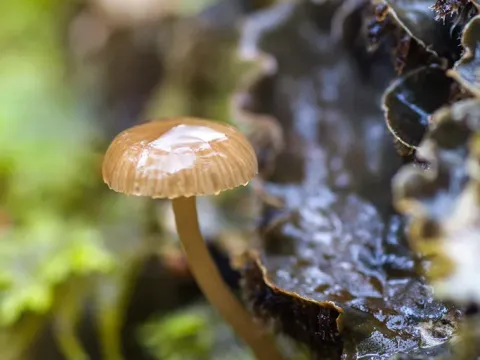
Arrhenia polycephala
Arrhenia polycephala
Arrhenia polycephala is a species of basidiomycete fungus in the family Hygrophoraceae. It acts primarily as a saprotroph, meaning it gains nutrients from decaying organic matter rather than attacking living plant tissues.
What the section contains
Arrhenia polycephala
Unlike parasitic fungi, this species does not infect crops or ornamental plants in a way that causes disease. Instead, it plays a role in the natural decomposition of leaf litter, wood debris, and organic components in the soil.
The fungus produces distinctive fruit bodies that appear in groups, which is a key diagnostic feature. These structures are ephemeral and emerge only when environmental conditions are sufficiently moist.
From an agronomic perspective, it is considered a soil inhabitant. Its presence is often a biological indicator of high moisture levels and an accumulation of organic debris in the topsoil layer.
While not a plant pathogen, its dense mycelial networks can alter the micro-environment of the soil, potentially impacting the root zone of turfgrasses if the colony becomes significantly large.
The development of Arrhenia polycephala is heavily dependent on surface moisture and humidity. It flourishes in conditions where water logging occurs, especially in shaded areas with poor evaporation.
Soil rich in organic matter provides the ideal substrate for this fungus to thrive. Areas with heavy thatch accumulation on lawns or lack of proper soil processing often see higher incidences of this fungus.
Temperature plays a crucial role in the emergence of fruit bodies. Cool to moderate temperatures accompanied by persistent rainfall or high humidity create the perfect window for its reproductive cycles.
Soil compaction is a primary environmental driver for this species. Compacted soils restrict oxygen flow and retain moisture, which allows the fungal mycelium to expand rapidly without competition from beneficial aerobic soil microorganisms.
Improper irrigation practices, such as daily light watering, keep the upper soil surface constantly wet, which provides the necessary hydration for the fungus to maintain its presence in the soil profile.
The direct harm caused by Arrhenia polycephala is negligible in terms of plant health. It does not possess the mechanisms required to infect living vascular plants or cause systemic diseases.
However, the fungus can negatively affect turf aesthetics. Large colonies may form dense mycelial mats that act as a hydrophobic barrier, preventing water and nutrients from reaching the plant roots.
In athletic fields or decorative lawns, the visible appearance of fruit bodies is often regarded as a sign of poor maintenance. The presence of these colonies can lead to localized yellowing of the turf.
By competing for space and altering the physical properties of the soil, the fungus may weaken the grass sward in the immediate vicinity, creating thin spots that are susceptible to weed invasion.
While the grass usually recovers naturally, the aesthetic damage and the labor required to manage the area make this fungus a concern for turf managers and landscape specialists.
Management strategies for Arrhenia polycephala focus on improving soil conditions and sanitation. Enhancing drainage is the most effective way to prevent the establishment of the fungus.
Regular aeration, including core aeration or verticutting, is essential to break up the mycelial network and promote better oxygen circulation in the root zone of the grass.
Sanitation practices such as removing thatch and excessive organic debris from the lawn surface eliminate the food source for the fungus. Keeping the lawn clean is vital for long-term control.
Modifying irrigation schedules to ensure that the soil surface has the opportunity to dry out between watering sessions is highly recommended to discourage fungal growth.
- Practice deep and infrequent irrigation.
- Perform regular mechanical aeration.
- Topdress with sand to improve drainage in heavy soils.
- Ensure adequate sunlight by pruning overhanging tree branches.