
Arrhenia salina
Arrrhenia salina
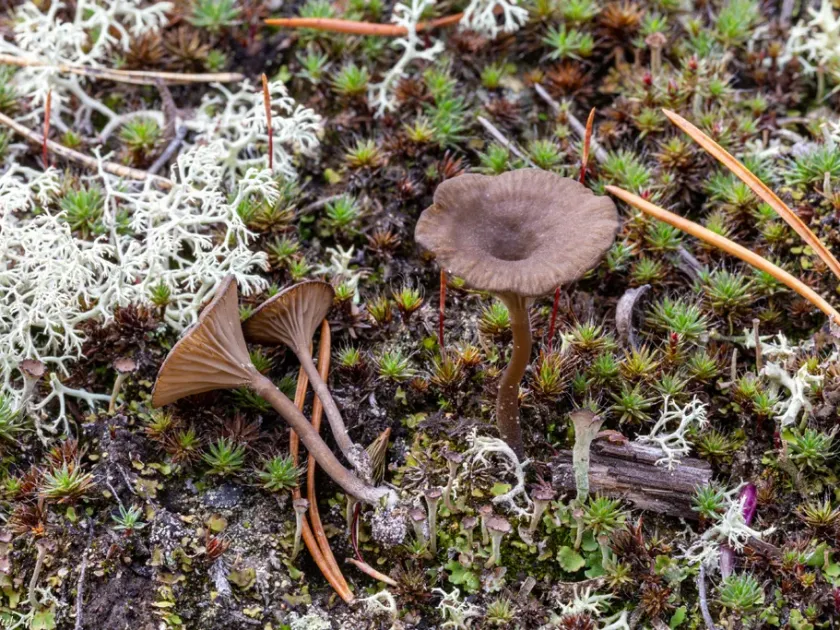
Description
Symptoms
Early symptoms include a gradual reduction in vigor and stunted growth, often accompanied by chlorosis, or yellowing, of the lower leaves due to restricted nutrient intake.
A distinctive visual indicator is the presence of fine, white mycelial threads encircling the base of the plant stem, which indicates an active fungal colonization.
In later stages, the tissues at the crown of the plant become soft and necrotic, causing the plant to lose structural integrity and collapse unexpectedly.
- Stunted growth and reduced biomass
- Chlorotic appearance of lower foliage
- Presence of visible white fungal mycelium at the base
- Softening and decay of the root collar
- Development of small fruiting bodies during humid spells
During periods of high ambient humidity, small, fleshy fruiting bodies may appear near the stems, serving as a definitive diagnostic sign of the pathogen's presence.
Pathogen
Arrhenia salina is a basidiomycetous fungus within the Hygrophoraceae family. In agronomy, it is recognized as a pathogen capable of thriving in saline soils, often interacting with the root zones of halophytic crops.
The fungus acts as a facultative parasite, transitioning from a saprotrophic existence to attacking host plant tissues when soil conditions allow for root stress.
Biologically adapted to high-salinity environments, this fungus maintains dominance by outcompeting other soil microflora that cannot survive in salt-affected substrates.
The disease is categorized as a type of root rot, where the mycelium penetrates plant vascular tissues, resulting in impaired nutrient transport and eventual decline of the host.
The pathogen persists in the soil via mycelial structures and spores, remaining dormant through unfavorable periods and reactivating whenever moisture levels rise significantly.
Conditions for development
The primary factor favoring Arrhenia salina is high soil salinity, which suppresses beneficial soil micro-organisms and creates a niche for this salt-tolerant fungus.
High moisture levels in the soil, occurring after heavy rain or irrigation, trigger the rapid expansion of the mycelium and enhance the infection rate of the plant tissues.
High planting density restricts airflow at the soil surface, leading to a humid microclimate that is highly conducive to the proliferation of the fungus.
Compacted, poorly aerated soil promotes the anaerobic conditions often associated with the colonization of Arrhenia salina in the rhizosphere.
Temperature fluctuations that remain within a moderate, mild range are ideal for the metabolic activity of the fungus, facilitating sustained growth throughout the season.
Why it matters
The damage caused by this fungus involves the disruption of root function, which directly limits water uptake and leads to reduced overall crop yield.
Affected plants become significantly more susceptible to secondary soil pathogens, resulting in rapid decline and potential total loss of the crop in heavily infested areas.
Economic losses are compounded by the need for intensive soil remediation and the inability to plant sensitive varieties in the contaminated soil for several years.
Widespread infestations create gaps in the fields, necessitating significant resowing efforts and increasing operational costs for the agricultural enterprise.
The presence of this fungus reduces the quality of the harvested produce, particularly in root-harvested crops, due to the proximity of the pathogen to the edible parts.
Protection
Soil remediation, focusing on reducing salinity through leaching or gypsum application, remains the most effective long-term strategy against Arrhenia salina.
Implementing effective crop rotation cycles that include resistant plant species can starve the pathogen and reduce the population of fungal propagules in the soil.
Biological control agents, particularly those utilizing Trichoderma species, have shown potential in suppressing the growth of Arrhenia salina in the rhizosphere.
Improving soil aeration and drainage through consistent cultivation and the installation of drainage systems helps prevent the moist conditions the fungus requires to thrive.
While chemical fungicides may offer temporary relief, their efficacy is often limited in saline environments, making cultural management and site improvement the preferred approach.
Discussion
No discussions yet — be the first.