
Arrhenia auriscalpium
Arrhenia auriscalpium
Description
Symptoms
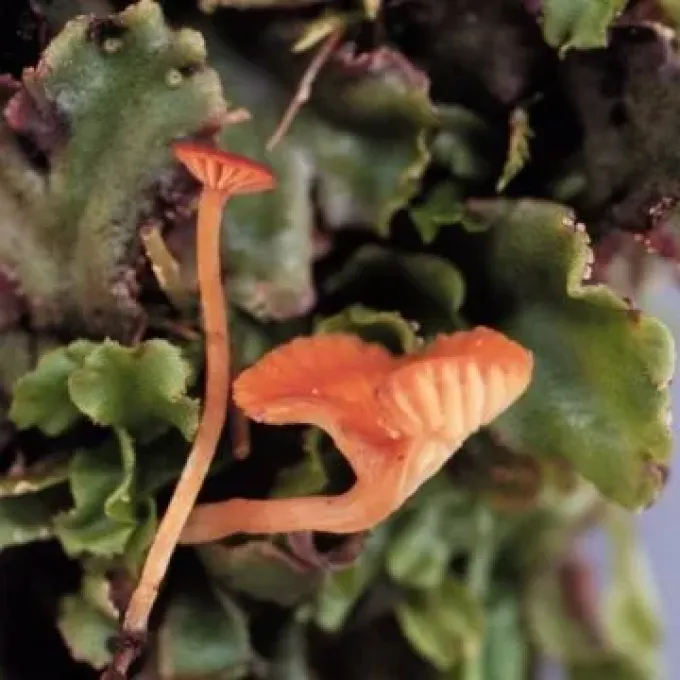
External signs of damage appear as the emergence of specific, small fruiting bodies characterized by a spoon-like or fan-shaped structure.
The fungus typically develops on plant debris, mosses, or directly on the soil surface under conditions of high humidity.
Visually, affected areas may appear as clusters of miniature mushrooms with eccentric or lateral stalks, which often leads to confusion with other saprotrophic species.
The color of the fruiting bodies ranges from grayish-brown to almost black, with the lamellae of the hymenophore often being sparse and slightly decurrent along the stalk.
Plants affected by this fungus often show signs of suppression related to the disruption of the microflora in the root zone.
Pathogen
The causative agent is the fungus Arrhenia auriscalpium, which belongs to the Hygrophoraceae family of the Basidiomycota division.
The disease is classified as a saprotrophic infection that can transition to facultative parasitism when the host plant's immune system is weakened.
The pathogen reproduces primarily through basidiospores, which are dispersed by air currents and settle on moist surfaces.
The mycelium of the fungus can persist in the soil for a long time, feeding on organic matter until favorable conditions for fruiting occur.
The biology of the pathogen is closely linked to the presence of moss and moist plant litter, making it an indicator of poor hydrological conditions in the area.
Conditions for development
The primary condition for fungal development is high substrate humidity, often observed in lowlands or where irrigation water stagnates.
A temperature range between +10°C and +18°C is considered most favorable for the active growth of fruiting bodies.
Dense plantings and a lack of proper soil aeration create an ideal microclimate for the germination of pathogen spores.
Soil acidity also plays a role: the pathogen prefers slightly acidic substrates rich in semi-decomposed organic material.
The presence of a moss layer in the root zone acts as an additional factor that retains moisture and facilitates the spread of the mycelium.
Why it matters
The primary harm is the suppression of the root system of agricultural plants through changes in the composition of soil microorganisms.
Massive outbreaks of the fungus lead to compaction of the topsoil layer, which impairs gas exchange for the roots.
In conditions with a high infection load, the growth intensity and overall productivity of the affected crops decrease.
Prolonged exposure to the fungus results in yellowing of the leaves and premature death of the lower layers of vegetative mass.
The pathogen can indirectly contribute to the development of other root rots by weakening the plant's protective barriers.
Protection
The primary measure is to ensure quality drainage on the site to prevent water stagnation.
Regular soil loosening promotes aeration and rapid drying of the surface layer, which is detrimental to the fungal mycelium.
It is recommended to remove moss and plant debris, which serve as a substrate for the nutrition and reproduction of this organism.
Applying lime to the soil helps reduce acidity, making the environment less suitable for the development of fungal pathogens.
- Timely removal of organic residues.
- Regulated irrigation practices.
- Application of fungicides in cases of severe infestation.
- Enhancement of soil aeration.
Discussion
No discussions yet — be the first.