
Annulohypoxylon
Annulohypoxylon
The disease is caused by fungi of the genus Annulohypoxylon, which belong to the Ascomycota phylum. These fungi were previously taxonomically classified within the Hypoxylon genus.
What the section contains
Annulohypoxylon
Ecologically, these fungi function primarily as saprotrophs or opportunistic pathogens. They typically colonize weakened tissues in tree trunks and branches after gaining entry through wounds.
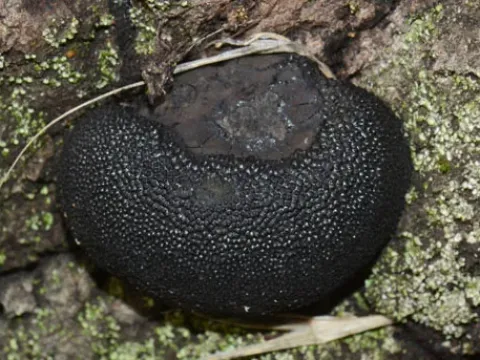
The mycelium of the fungus penetrates deep into the xylem, breaking down lignin and cellulose. During its maturation, it produces stroma, which are tough, cushion-like structures that house reproductive spores.
The lifecycle involves a prolonged phase of vegetative growth within the wood, followed by the appearance of reproductive structures on the surface of the bark, facilitating the spread of spores.
These fungi are widely distributed and can affect various hardwood species, posing significant challenges for arborists and forest management professionals.
The most visible indicator of infection is the emergence of cushion-shaped stroma on the bark surface. These growths often have a rounded, darkened, or charcoal-like appearance.
As the stroma matures, its color usually shifts to a deep brown or black. The surface may show small pits or pores, which are essential for releasing the fungal spores into the environment.
Affected bark tissue eventually dies, becomes brittle, and begins to peel away from the stem. Beneath the bark, one might observe extensive mycelial mats covering the wood surface.
Internal symptoms involve the formation of advanced wood decay. The wood loses its structural strength, making the tree highly susceptible to breakage during high winds or storms.
- Black, cushion-like fungal growths on bark
- Cracking and sloughing off of bark tissue
- White or greyish mycelial growth under the bark
- Premature yellowing or wilting of the foliage
- Increased brittleness of branches and trunks
The development of Annulohypoxylon is closely tied to the physiological state of the host tree. It predominantly targets trees under stress from drought, mechanical injury, or poor nutrition.
High humidity and moderate temperatures favor spore germination and mycelial spread. Spores are easily disseminated via wind, rain splashes, or through contact with contaminated equipment.
Mechanical injuries, such as broken branches or pruning wounds that remain untreated, provide an easy pathway for the fungus to enter the tree's internal vascular system.
High-density planting configurations in forests or orchards can exacerbate the spread of the fungus due to poor air circulation and close proximity of susceptible hosts.
Extended periods of extreme heat reduce the tree's ability to produce defensive compounds, thereby lowering the threshold for successful fungal colonization.
The primary damage caused by this fungus is the development of white rot. It degrades the structural components of the wood, which leads to a severe loss of mechanical stability.
Because the decay often happens internally, the infection may remain undetected until the structural integrity of the tree is severely compromised, posing a safety risk.
The impairment of the vascular system prevents efficient nutrient and water transport, eventually causing dieback of the canopy and the eventual death of the entire tree.
In forestry, the presence of this fungus significantly decreases the economic value of timber, rendering it unsuitable for most construction or woodworking purposes.
Management of infected trees often involves expensive removal processes, especially when the tree is located in urban areas or near property, due to the high risk of collapse.
Sanitation is the most effective management strategy. This includes the timely removal and proper disposal, usually by burning, of all infected wood to reduce local spore load.
Tools used for pruning must be disinfected after each use to prevent cross-contamination. Exposed wounds should be treated with appropriate wound dressings or sealants.
Maintaining tree vigor through proper irrigation, mulching, and fertilization is essential for enhancing the tree’s natural defenses against opportunistic pathogens.
Ensuring adequate spacing between trees promotes better airflow within the canopy, which helps in maintaining lower humidity levels unfavorable for fungal proliferation.
While fungicides may be applied in specific cases, they have limited efficacy against established internal decay, making long-term prevention the focus of disease management.