
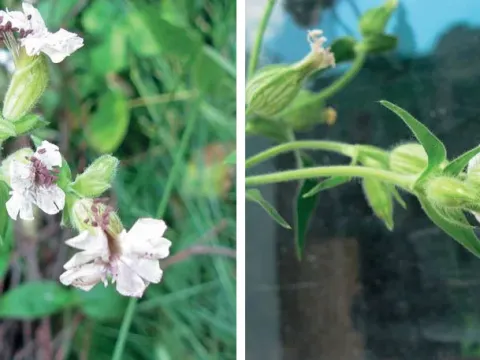
Anther smut
Microbotryum violaceum
The causal agent of this disease is the basidiomycete fungus Microbotryum violaceum. This pathogen is a specialized parasite that exclusively targets members of the Caryophyllaceae family, including various species of Dianthus (carnations).
What the section contains
Anther smut
The fungus is a systemic pathogen. Once it infects a host, the fungal mycelium grows throughout the plant, colonizing the stems, leaves, and eventually the developing floral tissues without immediately killing the host plant.
A striking biological trait of Microbotryum violaceum is its ability to hijack the plant's reproductive system. It replaces the pollen in the anthers with mass amounts of dark, violet-black teliospores, effectively sterilizing the flower.
Transmission primarily occurs via pollinators such as bumblebees and honeybees. As these insects move between flowers, they pick up the fungal spores and transfer them to the receptive stigmas of healthy flowers, initiating a new infection cycle.
The fungus is heterothallic, meaning that compatible mating types must meet on the host surface to initiate infection. This genetic recombination contributes to the persistence and adaptability of the pathogen within local host populations.
The most visible symptom of anther smut is the discoloration of the anthers. Instead of yellow or white pollen, the anthers become swollen and filled with a dusty, dark violet-to-black powder consisting of fungal spores.
Infected flowers often display abnormal development. Petals may appear deformed, smaller than normal, or show atypical paleness, reflecting the physiological stress caused by the systemic colonization of the plant tissues.
Because the fungus is systemic, once a plant is infected, it will typically produce diseased flowers in every subsequent flowering season until the plant eventually dies or is removed.
An infected flower often appears to "smoke" when disturbed. A slight tap on the petals releases a cloud of dark spores, which is a classic diagnostic feature for identifying the disease in the garden.
In some cases, the plant may exhibit stunted growth or distorted branching, often referred to as "witches' broom" symptoms, caused by the fungus disrupting the hormonal balance of the host plant.
Cool, humid weather conditions are highly conducive to the spread and development of the disease. High humidity is essential for the fungal spores to germinate on the stigma or other parts of the flower.
Dense plantings limit airflow, creating a microclimate where moisture persists on foliage and flowers for extended periods. This environment significantly increases the success rate of spore germination and tissue penetration.
The activity of pollinators is a crucial environmental factor. During the flowering season, bees and other insects act as primary vectors, ensuring that the spores are efficiently distributed from infected individuals to healthy ones.
The pathogen survives within the overwintering vegetative tissues of perennial carnations. When growth resumes in spring, the fungus reactivates and spreads into new shoots and buds, ensuring its continued presence.
Proximity to wild populations of Caryophyllaceae, which may harbor the pathogen, creates a constant risk of re-infection for managed gardens or commercial flower farms.
The primary damage caused by anther smut is the total loss of the flower's reproductive capacity. Because the pollen is replaced by spores, the plant cannot produce viable seeds, which is a major concern for breeders and seed producers.
The disease drains the plant's energy resources. As the fungus consumes nutrients that would otherwise support healthy growth and flowering, the plant becomes weakened, less vigorous, and more susceptible to environmental stress.
The aesthetic value of ornamental carnations is completely compromised. Flowers that shed black dust are undesirable for retail and landscaping, leading to direct economic losses for growers.
Anther smut is notoriously difficult to eradicate once it is established in a perennial plant. Because the fungus is systemic, topical treatments are ineffective, forcing the total removal of infected plants.
If left unmanaged, the disease can spread rapidly through a population of carnations, potentially wiping out entire collections or plantings over several seasons due to the cumulative nature of the infection.
The most effective management strategy is the prompt rogueing and destruction of infected plants. Infected specimens should be carefully removed, including their root systems, and destroyed by burning to eliminate spore sources.
Good horticultural practices are essential. Maintaining proper plant spacing is vital to ensure adequate air circulation, which helps keep plants dry and reduces the chances of infection during damp periods.
Sanitation is key to prevention. Gardeners should monitor for signs of the disease during the budding phase and remove any suspicious plants before they can release spores into the environment.
While systemic fungicides might offer some preventative value, they are rarely curative for established systemic infections. Therefore, focusing on excluding the pathogen through strict hygiene and quality control of nursery stock is the preferred approach.
- Regular inspection of carnation plantings during the flowering season.
- Avoidance of overcrowding to prevent stagnant humidity.
- Removal of wild host plants from the vicinity of the garden.
- Strict hygiene when handling plants to avoid cross-contamination of tools.