
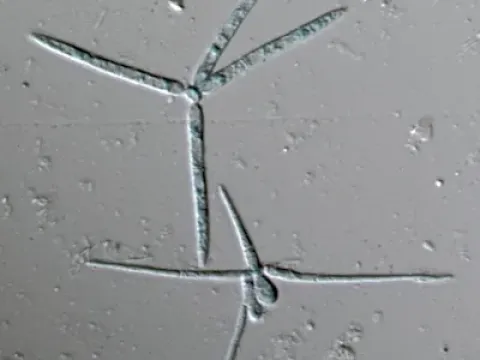
Annulatascus
Annulatascus
Annulatascus is a genus of ascomycetous fungi belonging to the class Sordariomycetes. These fungi are primarily recognized as aquatic organisms that thrive in freshwater habitats, often colonizing submerged wood and decaying plant debris.
What the section contains
Annulatascus
The fungus is characterized by the formation of perithecia, which are fruiting bodies embedded within the substrate. This structure allows the fungus to remain stable in water while facilitating the efficient release of spores into the surrounding aquatic environment.
Diagnostic identification of the genus is usually based on the specific morphology of the ascospores, which feature distinct ring-like structures. These unique morphological traits are critical for mycologists conducting environmental or pathological assessments.
While often categorized as saprotrophs, some species within this genus can become opportunistic pathogens. They exploit weakened plant tissues, potentially causing decay and impacting the overall health of aquatic vegetation and managed crops.
The metabolic activity of Annulatascus relies on a complex suite of enzymes capable of degrading plant polymers like lignin and cellulose. This enzymatic capability is essential for the fungus to establish itself and proliferate in nutrient-limited environments.
The primary prerequisite for the growth of Annulatascus is the presence of submerged organic matter. Stagnant or slow-moving water bodies provide the ideal environment for the accumulation of spores and subsequent colonization of host materials.
Environmental humidity and water temperature are critical factors influencing the proliferation of this fungus. Consistent temperature ranges between 15°C and 25°C significantly accelerate the growth of mycelium and the maturation of fruiting bodies.
Water quality parameters, including dissolved oxygen levels and pH balance, play a major role in the lifecycle of the pathogen. Annulatascus is particularly sensitive to these fluctuations, generally favoring neutral to slightly acidic aquatic conditions.
The pathogen is primarily disseminated through water currents, which transport spores over significant distances. In controlled settings, human activity such as the transfer of infected plants or equipment is a primary vector for contamination.
Effective management requires maintaining good water quality and preventing the accumulation of organic debris. Regular monitoring for signs of decay in aquatic plants helps mitigate the potential spread of the fungus in managed habitats.