
Annulatascaceae
Annulatascaceae
Annulatascaceae is a family of Ascomycete fungi that are primarily recognized as freshwater organisms. They play a critical role in the decomposition of submerged woody debris and other plant organic matter.
What the section contains
Annulatascaceae
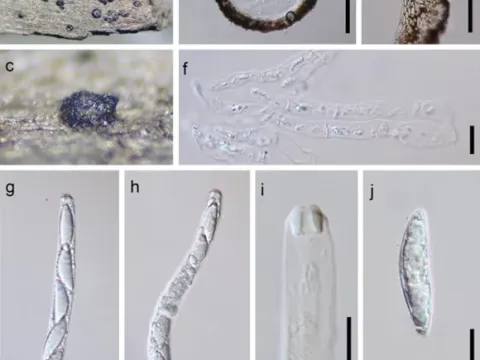
The pathogen is characterized by distinct morphological features, specifically the presence of ring-like appendages on their ascospores, which is a diagnostic trait for identifying this specific fungal family.
While they function as decomposers, under conditions of stress or environmental imbalance, these fungi can exhibit opportunistic pathogenic behavior, infecting the tissues of aquatic and semi-aquatic plants.
The lifecycle of the fungus is entirely adapted to aquatic environments, relying on water currents to disperse spores to new potential hosts, especially those with compromised surface barriers.
Scientific research highlights the difficulty in distinguishing members of this family from other aquatic fungi without advanced molecular methods, making timely field identification a challenge.
Signs of infection typically manifest as dark, brownish, or black spots appearing on the stems or rhizomes of plants submerged in water or growing in waterlogged soil.
Affected tissues lose their structural integrity and become soft or mushy, often leading to the collapse of the stem as the internal vascular system is degraded by the fungus.
Small, pinhead-sized black dots, representing the fungal fruiting bodies (ascomata), emerge on the surface of the infected areas, signaling that the infection is in an active reproductive phase.
Infected plants exhibit visible chlorosis, with foliage turning pale or yellow as the transport of water and nutrients from the roots is hindered by the fungal growth within the stem.
In severe cases, the entire plant may undergo necrosis, starting from the infected section and spreading throughout the entire colony if environmental conditions remain favorable for the fungus.
The primary driver for the development of Annulatascaceae is the presence of high organic content in the water, combined with low oxygen levels, which puts significant stress on the host plants.
Optimal growth temperatures for these fungi range from 15°C to 25°C, making late spring and summer the peak seasons for the infection to spread across a pond or water body.
Physical injuries to the plant stem, whether caused by herbivorous insects, animal activity, or fluctuations in water levels, provide entry points for the fungal hyphae.
Stagnant water conditions, where there is little to no circulation, allow spores to concentrate in specific areas, increasing the likelihood of rapid colonization of adjacent healthy plants.
Excessive fertilizer runoff into water bodies can lead to nutrient imbalances that indirectly weaken the plant's natural defense mechanisms, leaving them more susceptible to fungal pathogens.
The main danger posed by Annulatascaceae is the degradation of aquatic and marginal vegetation, which can lead to the loss of biodiversity and the destruction of decorative plantings.
The fungi interfere with the plant's ability to oxygenate the water and remove pollutants, which can degrade the water quality for other organisms such as fish or beneficial amphibians.
In horticulture and water gardening, an outbreak can lead to the total loss of valuable plant collections, necessitating costly removal and complete disinfection of the affected water feature.
The spread of this fungus often indicates a broader ecological imbalance within the water system, which can have long-term consequences for the local aquatic environment.
Accumulated dead plant material, if not cleared, becomes a permanent reservoir for the fungus, perpetuating a cycle of infection that is difficult to break without active intervention.
Effective management begins with good hygiene: regularly removing dead or decaying plant material from the water is essential to reduce the available substrate for fungal growth.
Installing mechanical aeration systems to increase dissolved oxygen levels helps create an environment that is less favorable for pathogenic fungal species.
If symptomatic plants are detected, they should be immediately removed, including their root systems, to prevent the pathogen from spreading to the surrounding vegetation.
The application of biological control agents, such as beneficial bacterial preparations, can help suppress the growth of pathogenic fungi and improve the overall resilience of the plants.
Monitoring the health of aquatic plants and ensuring they are planted at appropriate densities can prevent overcrowding, which otherwise facilitates the transmission of the fungus between hosts.