
Antennulariellaceae
Antennulariellaceae
The Antennulariellaceae family consists of microscopic fungi belonging to the order Capnodiales, commonly referred to as sooty mold agents.
What the section contains
Antennulariellaceae
These fungi are epiphytic, meaning they live exclusively on the surface of plant parts such as leaves, stems, and fruits without invading the plant tissues.
The fungus relies on honeydew, a sugary secretion produced by sucking insects like aphids, scales, whiteflies, and mealybugs, as its primary food source.
The mycelium appears as dark, dense networks of hyphae, colored by melanin, which protects the fungus from UV radiation and environmental stress.
The life cycle involves both sexual and asexual spore production, allowing the fungus to colonize new surfaces rapidly during the growing season.
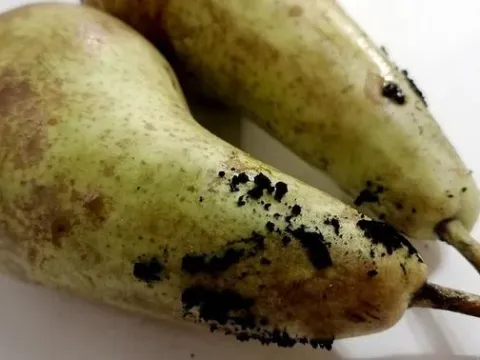
The most prominent symptom is the development of a dark, powdery, or felt-like coating that covers the surfaces of leaves and twigs.
The fungal layer starts as small, isolated spots but can rapidly expand to cover entire leaves in a thick, black, soot-like film.
While the layer can often be wiped off, the underlying tissue may remain dull, and the persistence of the mold indicates a severe infestation of insect pests.
Plants affected by sooty mold usually show signs of the underlying insect problem, such as curling leaves, yellowing, or the presence of visible insect colonies.
In cases of heavy infestation, the mold can cover almost all green parts of the plant, significantly altering its appearance and health status.
The proliferation of Antennulariellaceae is strictly dependent on the presence of honeydew-producing insect populations on the host plants.
High humidity, moderate temperatures, and lack of adequate sunlight or air circulation favor the rapid spread and growth of the fungal mycelium.
Crowded planting schemes or dense tree canopies create microclimates where moisture remains trapped, providing ideal conditions for the mold to thrive.
Spores are disseminated by wind, splashing water (rain or irrigation), and physical contact by insects moving across the plant surface.
Lack of proper sanitary practices in the garden or greenhouse increases the likelihood of sooty mold outbreaks following insect outbreaks.
The primary damage is caused by the physical blockage of sunlight, which prevents the leaf from carrying out normal photosynthetic processes.
The layer of mold also clogs the stomata, interfering with gas exchange and respiration, which can lead to premature leaf drop and stress.
Fruits contaminated with sooty mold lose their marketability due to their stained appearance and the difficulty of cleaning them for consumption.
Chronic infestation weakens the plant's overall vigor, making it more susceptible to environmental stress, cold damage, and secondary infections.
While the fungus does not destroy tissues directly, the long-term impact includes stunted growth and reduced yields due to reduced plant energy production.
The most effective strategy is the control of sucking insects, as eliminating the honeydew source effectively stops the fungus from growing.
Regular pruning and maintenance to ensure adequate light penetration and air movement are essential for preventing the development of the mold.
Copper-based fungicides can be used to treat surfaces, suppress spore growth, and clean the foliage if the infestation is severe.
Integrated Pest Management (IPM) practices should be employed to maintain healthy plant growth and limit the spread of both pests and the fungus.
- Use appropriate insecticides to target aphids, scales, and whiteflies.
- Improve garden hygiene by pruning dense branches.
- Wash foliage with soapy solutions to remove mold in small areas.
- Monitor for early signs of insect activity.