
Phyllobacteriosis
Phyllobacteriaceae
The causative agents of phyllobacteriosis are bacteria belonging to the Phyllobacteriaceae family. These are gram-negative, aerobic microorganisms that can exist as commensals, symbionts, or pathogens in various plant species.
What the section contains
Phyllobacteriosis
These bacteria are highly adaptable and are commonly found in the phyllosphere, the aerial parts of plants, where they can survive on leaf surfaces and in intercellular spaces.
The pathogen produces extracellular enzymes that degrade plant cell wall components, allowing the bacteria to penetrate host tissues and acquire nutrients.
They often form dense colonies or biofilms on plant surfaces, which provide protection against external stresses and antimicrobial treatments applied by growers.
Transmission of the bacteria typically occurs through contaminated seeds, agricultural machinery, or environmental factors like splashing rain that spreads the inoculum.
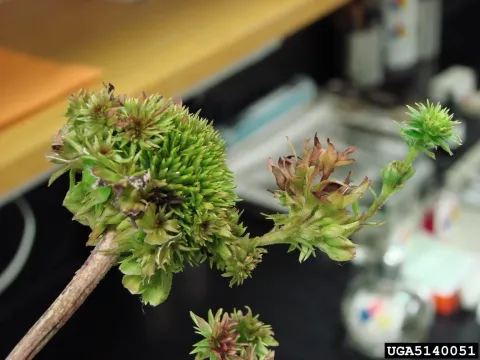
The first symptoms of the disease usually manifest as chlorotic spots on leaves, which gradually develop into necrotic lesions with brown or dark centers.
A water-soaked halo is often visible around the spots, which is a classic diagnostic feature indicating the presence of a bacterial infection.
As the infection progresses, leaves may become deformed, wither, and drop prematurely, leading to significant defoliation of the plant.
When the vascular system is affected, the plant may show systemic symptoms such as wilting of entire branches or shoots, even in the presence of adequate soil moisture.
- Yellowing and chlorosis of leaf tissue
- Oily or greasy-looking spots on leaves
- Necrotic brown lesions with halos
- Bacterial exudate on stems during humid weather
- Stunting and plant decline
High humidity and moderate temperatures are the most critical factors favoring the rapid spread and multiplication of the bacterial population.
Frequent rainfall or overhead irrigation can splash the bacteria from infected tissues to healthy leaves, significantly accelerating the disease cycle.
Mechanical injuries caused by hail, wind damage, or pruning operations create easy entry points for the pathogen to enter the plant interior.
High planting density restricts airflow, which traps moisture in the canopy and allows bacterial colonies to thrive in the protected, humid microenvironment.
Imbalanced soil nutrition, particularly excessive nitrogen fertilization, results in soft, succulent tissue growth that is more susceptible to bacterial infection.
Phyllobacteriosis causes a substantial reduction in plant vitality by damaging the photosynthetic tissue, leading to decreased yields and overall crop productivity.
Infection significantly reduces the shelf life and marketability of fruits and vegetables, as the bacteria can cause soft rot or unsightly blemishes on the produce.
For young seedlings, a severe outbreak can be devastating, leading to high mortality rates and the need for significant replanting efforts.
The spread of the disease within an agricultural plot can be rapid, making it difficult to control if preventative measures are not implemented early in the season.
Chronic infections can lead to the long-term weakening of perennial crops, reducing their productivity over several years and making them prone to secondary infections.
The foundation of effective control is the use of high-quality, disease-free seed material and the implementation of strict crop rotation practices.
Sanitation is crucial; all crop residues should be removed and destroyed after harvest to reduce the overwintering inoculum of the bacteria.
Regularly cleaning and disinfecting all tools used in the field, including pruning shears and tractor equipment, is vital to prevent cross-contamination.
Copper-based bactericides can be applied as a preventative measure to create a protective barrier on plant surfaces during periods of high disease risk.
Encouraging good ventilation through proper row spacing and judicious pruning helps maintain a less favorable environment for bacterial growth.