
Phormidiaceae
Phormidiaceae
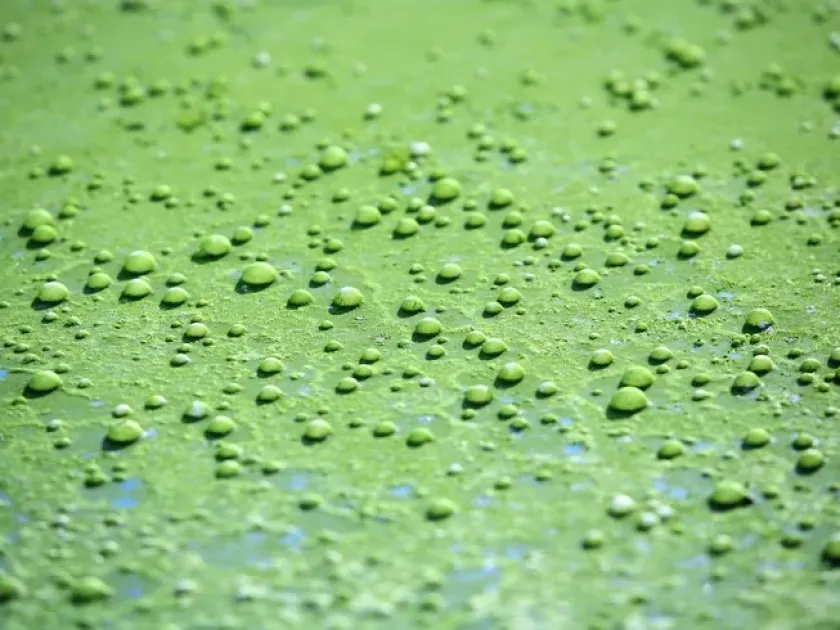
Description
Symptoms
The primary symptom of infestation is the appearance of a dark green, olive, or near-black slimy film on the surface of soil, rockwool, or other cultivation substrates.
Upon drying, the film becomes brittle and takes on a paper-like appearance, adhering tightly to the substrate. Under high humidity, it becomes mucilaginous and emits a characteristic earthy or grassy odor.
In hydroponic setups, colonies appear as a felt-like layer covering the roots. The slime coats root hairs, physically blocking the absorption of water and essential nutrients.
Plants under significant infestation appear stunted, growth rates decline, and leaves may show signs of chlorosis due to the restriction of oxygen to the roots.
Unlike fungal diseases, the algal film of Phormidiaceae is easily washed away with water, but it regenerates quickly if environmental conditions remain favorable.
Pathogen
The Phormidiaceae family belongs to the Oscillatoriales order, which comprises filamentous cyanobacteria (blue-green algae). These are photosynthetic organisms that act as opportunistic pathogens in controlled growing environments.
The pathogen consists of microscopic colonies forming slimy filaments known as trichomes. These organisms do not infect plant tissues internally but aggressively colonize the surface of substrates and the rhizosphere.
In agronomy, they are classified as associated organisms causing "blooming" of moist surfaces. Their ability to divide rapidly leads to the formation of dense mats that obstruct gas exchange in the root system.
These organisms are highly adaptable to changing light intensity and nutrient availability, making them resilient competitors for mineral resources within greenhouse systems.
The life cycle of Phormidiaceae is strictly dependent on the availability of free water, making them particularly prevalent in hydroponic systems and humid soil surfaces.
Conditions for development
The development of Phormidiaceae is stimulated by high light levels combined with excessive surface moisture, common in systems with frequent drip irrigation.
The presence of dissolved fertilizers (especially nitrogen and phosphorus) in water or on the substrate surface creates an ideal medium for explosive population growth.
A temperature range between +18 and +28 degrees Celsius is most favorable for their active reproduction, allowing them to colonize new areas rapidly.
Poor ventilation in the lower levels of a greenhouse contributes to stagnant moisture, which promotes the growth of colonies on the surface of pots and soil mixtures.
Using irrigation water with high organic content or mineral impurities often serves as the primary source of initial contamination in industrial greenhouse facilities.
Why it matters
The primary danger lies in the physical barrier created by the algal mat, which prevents root aeration and leads to root hypoxia, predisposing plants to secondary root rot.
These algae release metabolic byproducts that can alter the pH of the rhizosphere, negatively impacting the availability of micronutrients for the cultivated plants.
Phormidiaceae colonies often act as reservoirs for spores of other pathogenic fungi and bacteria, thereby facilitating their spread throughout the greenhouse environment.
The slimy film hinders the evaporation of moisture from the substrate surface, resulting in waterlogged conditions that further encourage the development of harmful microorganisms.
In commercial operations, such infestations lead to reduced crop yields and the necessity to replace expensive substrates earlier than scheduled due to loss of structure.
Protection
The primary control measure is to isolate the substrate surface from light (using reflective films or covers), which effectively halts the photosynthesis required by the algae.
It is essential to adjust irrigation regimes to avoid excessive surface moisture and to ensure adequate air circulation at the base of the plants.
The use of approved algaecides allows for the effective suppression of Phormidiaceae outbreaks without harming the main crop, provided that guidelines are followed.
Regular disinfection of tools, irrigation trays, and pipes using oxidizing agents like hydrogen peroxide prevents re-contamination and biofilm buildup.
Monitoring the quality of nutrient solutions and regular testing for organic contamination are critical steps in preventing algae-related diseases in protected cropping.
Discussion
No discussions yet — be the first.