
Phormidium
Phormidium
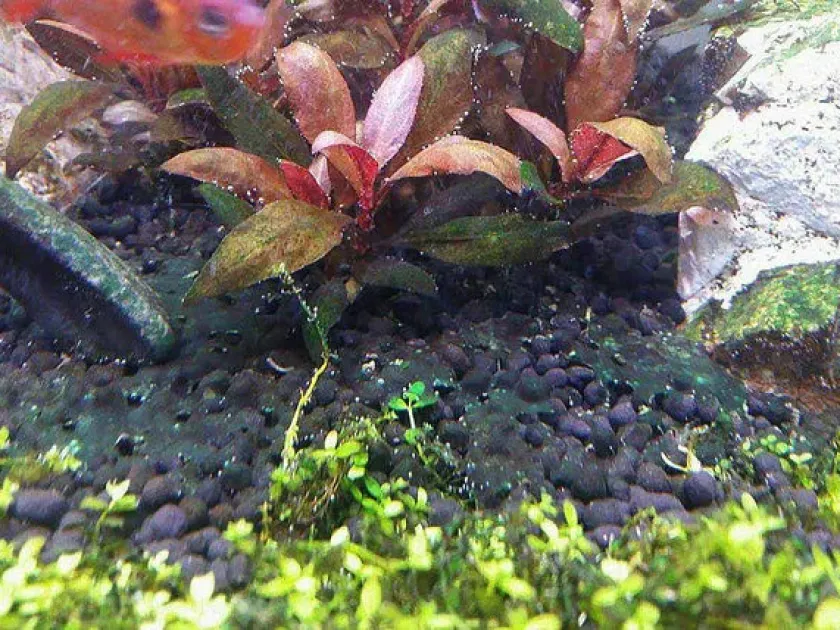
Description
Symptoms
The primary symptom is the formation of a greenish, blue-green, or brownish mat on the surface of the soil, which appears slimy when wet.
As the surface dries, the mat often transitions into a hard, cracked crust that can pull away from the edges of pots or containers.
Plants struggling in affected soil show signs of oxygen deficiency, such as leaf yellowing, stunting, and poor root development compared to healthy controls.
A foul, swampy odor often develops as the dense algal mat prevents proper air exchange, creating anaerobic pockets beneath the surface.
In cases of severe infestation, the crust acts as a physical barrier that prevents water penetration and smothers emerging seedlings.
Pathogen
Phormidium is a genus of filamentous cyanobacteria (blue-green algae) that often acts as an invasive pathogen in greenhouse and nursery environments.
These organisms are not true fungi but photoautotrophic bacteria that utilize light and moisture to form thick, colonial mats on the soil surface.
Their filaments are composed of cells that can produce mucilaginous sheaths, which are responsible for the slimy texture of the surface layer.
Dispersal is achieved through fragmentation of the filaments, known as hormogonia, which can easily spread through irrigation water, splashing, or mechanical contact.
While they do not directly infect plant tissues like systemic pathogens, they drastically alter the physical and chemical properties of the growing medium.
Conditions for development
The development of Phormidium is driven by consistently wet soil surfaces combined with high levels of light exposure in greenhouse environments.
Warm temperatures significantly accelerate the growth rate of cyanobacteria, leading to rapid colonization of exposed soil surfaces within a few days.
Poor drainage systems that lead to standing water on the soil surface create the optimal moist habitat required for these organisms to thrive.
Excessive fertilization, particularly with nitrates and phosphates, provides the nutrient density that favors the rapid expansion of algal blooms.
Lack of airflow or inadequate circulation in the greenhouse environment traps humidity at the soil surface, facilitating persistent colonial growth.
Why it matters
The most immediate threat is the physical obstruction of oxygen and water exchange, which stresses the plant root system and leads to poor nutrient uptake.
The algal mat effectively seals the soil, leading to anoxic conditions that promote the proliferation of opportunistic soil-borne fungal pathogens.
Cyanobacteria can secrete metabolic byproducts into the soil, which may be detrimental to the delicate roots of young seedlings or ornamental plants.
The formation of a hard crust makes uniform irrigation extremely difficult, as water tends to channel around the root ball rather than soaking into it.
Economic damage is substantial in the nursery industry, as plants often lose their marketability due to stunted growth and the unsightly appearance of the pots.
Protection
The most effective management strategy involves creating a drier soil surface through optimized irrigation intervals and improved drainage.
Top-dressing the soil with a thin layer of grit, perlite, or sand blocks light from reaching the soil surface, effectively stopping algal photosynthesis.
Improving the ventilation and humidity control within the greenhouse is crucial to ensure that the soil surface dries out adequately between irrigation cycles.
Control practices include:
- Mechanical removal of the infested top layer of the substrate.
- Application of algaecides or copper-based compounds to affected areas.
- Ensuring proper sterilization of tools and nursery containers.
Integrated pest management should focus on creating an environment that is unfavorable for cyanobacterial growth while maintaining optimal conditions for the target crop.
Discussion
No discussions yet — be the first.