
Phormidium autumnale
Phormidium autumnale
Phormidium autumnale is a filamentous cyanobacterium that is often mistaken for a fungal soil disease. It is a microscopic organism capable of photosynthesis and actively develops in the surface layer of soil.
What the section contains
Phormidium autumnale
The type of infestation is related to algological succession on the soil surface rather than classical parasitism. This organism colonizes the substrate, creating specific biological films.
The biology of the species is characterized by high adaptability to various light and temperature regimes. The cells form long, unbranched filaments enclosed in mucilaginous sheaths, providing protection against desiccation.
In agronomic practice, this species is considered an undesirable weed among the soil microflora, altering the physicochemical properties of the topsoil.
Reproduction occurs vegetatively through fragmentation of filaments (hormogonia), allowing the pathogen to rapidly colonize large areas of moist soil.
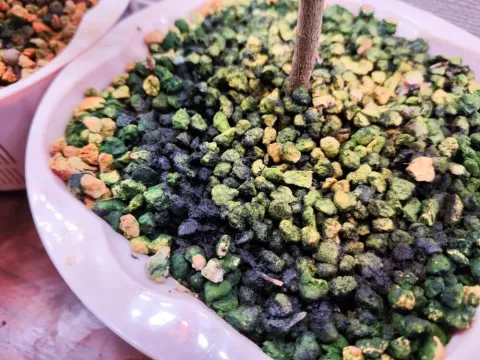
The first visual sign of Phormidium autumnale appearance is the formation of a specific coating on the soil surface or the root collar of plants.
The crust has a characteristic blue-green, sometimes dark green, or almost black color, which stands out significantly against the light-colored soil.
Wet weather triggers the formation of a mucilaginous mass, which turns into a dense, brittle crust resembling parchment after drying.
When seedlings are affected, inhibition of root system development is observed due to the mechanical blockage of oxygen access to the soil.
Plants surrounded by these colonies may show signs of chlorosis due to disrupted gas exchange and mineral nutrition in the rhizosphere zone.
The primary factor for the active development of Phormidium autumnale is excessive surface soil moisture combined with moderate temperatures.
The pathogen prefers neutral or slightly alkaline soils rich in easily accessible forms of nitrogen, which often occurs after the application of mineral fertilizers.
Soil compaction creates ideal conditions for water stagnation, which promotes the spread of algal colonies.
Lack of proper soil aeration is also a critical factor stimulating the development of cyanobacteria in seedbeds and greenhouses.
Autumn and early spring are peak periods of activity for the species, as it tolerates lower temperatures and high air humidity well.
The primary damage lies in the creation of a soil crust that prevents seed germination and normal respiration of young crop roots.
By spreading, Phormidium autumnale colonies consume significant amounts of nutrients from the top layer, creating a deficit for crop plants.
The slime secreted by the algae promotes the growth of pathogenic fungi and bacteria, which can secondarily attack weakened seedlings.
In greenhouses, active algal growth leads to acidification or specific changes in the substrate pH, negatively affecting the soil microbiota.
Ultimately, the infestation leads to thinned crops, stunted seedling growth, and loss of commercial quality of the produce.
A primary preventive measure is strict adherence to the irrigation schedule to prevent water stagnation on the soil surface.
Regular cultivation of inter-row spaces destroys the biological crust and improves aeration, depriving cyanobacteria of favorable living conditions.
Optimization of mineral nutrition, especially the control of nitrogen fertilizers, reduces the risk of massive multiplication of this type of organism.
Using mulching materials prevents direct sunlight from reaching the surface, which is necessary for photosynthetic algae.
- Application of fungicides with algicidal properties (e.g., copper-based).
- Improvement of substrate drainage properties.
- Liming of the soil to normalize acidity.
- Timely disinfection of greenhouse facilities.