
Photorhabdus
Photorhabdus
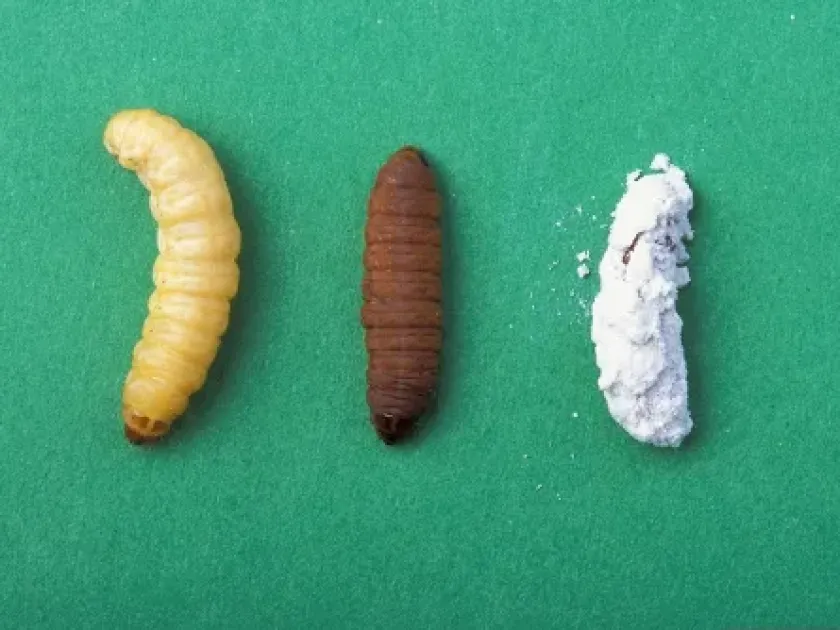
Description
Pathogen
Photorhabdus is a genus of gram-negative, bioluminescent bacteria that live in a symbiotic association with nematodes of the family Heterorhabditidae.
These bacteria act as highly virulent entomopathogens, causing fatal septicaemia in insect hosts upon infection.
The pathogenicity is largely driven by the production of large protein complexes known as Tc-toxins, which destroy insect tissues effectively.
Once inside the host, Photorhabdus replicates rapidly, converting the insect cadaver into a suitable nutritional source for the developing nematodes.
They also produce secondary metabolites, including antibiotics, which prevent competing microbes from invading the resource within the insect carcass.
Conditions for development
The success and spread of Photorhabdus in the field depend heavily on the activity of their nematode vectors in the soil environment.
Optimal environmental conditions include high soil moisture, which facilitates the movement of the infective juvenile nematodes towards the target pests.
Soil temperature plays a critical role, as extremes can significantly inhibit the motility of the nematode and the metabolic rate of the bacterial symbiont.
The presence of susceptible insect larvae is essential for the completion of the biological cycle and the further propagation of the bacteria.
Agricultural practices that maintain soil health and structure generally favor the survival and efficacy of these biological control agents.
Why it matters
It is important to clarify that Photorhabdus species are not plant pathogens and do not cause diseases in agricultural crops.
Rather than causing harm to vegetation, these bacteria act as allies in plant protection by controlling populations of soil-dwelling insect pests.
By reducing the density of root-feeding larvae, these bacteria indirectly prevent significant crop yield losses caused by underground herbivores.
Since they do not possess mechanisms to infect plant cells, they are completely safe for use in greenhouses and open-field agriculture.
Their application is considered a pillar of sustainable integrated pest management, replacing synthetic insecticides with natural solutions.
Protection
The practical application of Photorhabdus for pest management is achieved through the release of entomopathogenic nematodes harboring the bacteria.
Farmers can apply these biological agents via soil drenching or through irrigation systems targeting the rhizosphere where pests congregate.
Ensuring adequate soil humidity immediately after application is vital for the survival and migration of the nematodes into the soil profile.
Strategic timing, aligned with the developmental stages of the target pests, significantly increases the effectiveness of the control efforts.
- Consistent soil monitoring to determine pest pressure thresholds.
- Avoiding the simultaneous use of broad-spectrum pesticides that may harm symbiotic nematodes.
- Proper storage of biocontrol products to maintain the viability of the bacterial-nematode complex.
Discussion
No discussions yet — be the first.