
Pecan bunch
Pecan bunch
The causative agent of the disease known as Pecan bunch is a specific phytoplasma that infects the vascular system of the tree. This microorganism belongs to the group of prokaryotic pathogens that lack a cell wall.
What the section contains
Pecan bunch
Phytoplasmas primarily localize in the phloem of the plant, disrupting the normal transport of nutrients from the leaves to the roots and other parts of the tree. The biological nature of the pathogen makes it extremely difficult to treat with standard chemical fungicides.
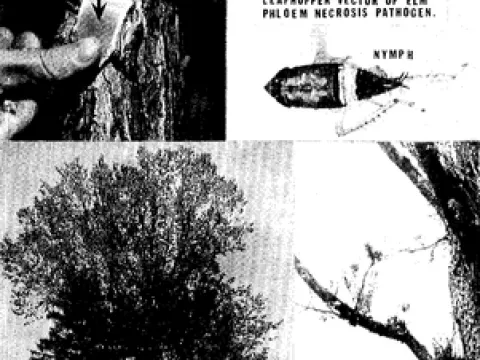
The vectors of this infection in orchards are sucking insects, particularly leafhoppers, which feed on the sap of infected trees. Once inside the insect, the phytoplasma multiplies and is transmitted to healthy trees during subsequent feeding.
The disease can also spread through infected grafting material if the scions are taken from diseased trees. This makes strict quality control of nursery stock a priority for every agronomist.
The genetic predisposition of various pecan cultivars to this disease also plays a significant role in the spread of the infection. Some breeding lines show increased sensitivity to the pathogen.
The primary and most characteristic sign of the disease is the abnormal proliferation of shoots, resembling a broom or a bunch. The branches in these areas become thin, densely packed, and grow vertically upward.
Leaves on infected branches often become smaller, chlorotic, and take on a yellowish hue due to the disruption of photosynthetic processes. Eventually, such branches lose their ability to produce fruit normally.
Infected trees exhibit a significant slowdown in the growth rate of the entire canopy. In advanced cases, the tree stops forming viable nuts, losing its economic value.
Premature leaf drop on damaged areas is frequently observed, which weakens the tree's immunity before winter. Over time, young shoots are also subject to necrotic processes, leading to their death.
With careful inspection, it can be noted that symptoms often appear locally, starting from one part of the canopy, but over time, the infection spreads to the entire plant.
Pecan bunch causes massive yield losses, as infected branches almost completely stop producing fruit. In the long term, this leads to a decrease in the total volume of nut production in commercial orchards.
Trees affected by phytoplasmas become less winter-hardy and more susceptible to secondary infections. The weakened state of the plant makes it vulnerable to various types of rot and bark necrosis.
Lack of effective treatment leads to the need for total removal of the tree, creating gaps in the orchard's structure. This requires additional investment in grubbing and replanting in affected areas.
Economic losses are also associated with the costs of constant monitoring and controlling insect vectors. Infected orchards require significant investment in sanitary measures to prevent epiphytotics.
In the event of widespread infection in a region, there is a risk of complete loss of productivity in existing pecan plantations. This imposes serious constraints on the agricultural export potential of the farm.
A key preventive method is the use of strictly certified, healthy planting material. Every batch of nursery trees must pass phytosanitary inspection before being planted in the soil.
Controlling vector insects, such as leafhoppers, is a mandatory measure to contain the spread of the disease. Regular application of insecticides during periods of insect activity significantly reduces the risk of infection.
Upon detecting the first signs of the disease on individual branches, immediate sanitary pruning must be performed. Tools used for such work must be disinfected to prevent the transmission of the pathogen.
It is important to timely eradicate wild-growing plants that may serve as natural reservoirs for the infection in the vicinity of the orchard. Constant weeding of the area around the trunk reduces the activity of vectors.
- Spatial isolation of new orchards from old, infected plantations.
- Planting only cultivars resistant to phytoplasma diseases.
- Regular monitoring of tree canopy condition during the growing season.