
Pasteuria usgae
Pasteuria usgae
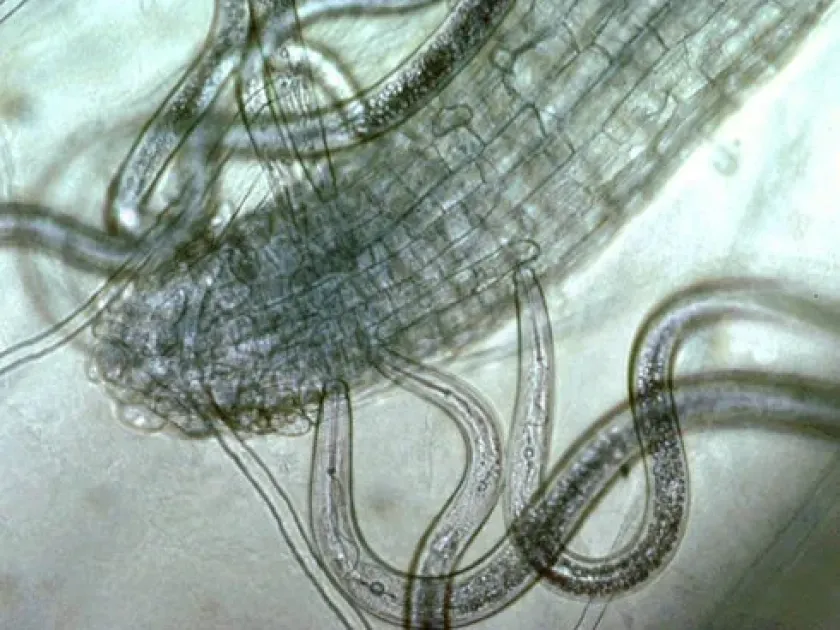
Description
Pathogen
Pasteuria usgae is an obligate bacterial parasite characterized by its specific ability to infect and kill nematodes. It is classified as an endospore-forming bacterium that acts as a natural biological control agent.
The bacterium is highly specialized, primarily targeting members of the Belonolaimus genus, such as the sting nematode. Its specificity ensures that beneficial organisms in the soil remain unaffected.
The infection process begins when bacterial spores attach themselves to the surface of the nematode's cuticle. Following attachment, the bacterium penetrates the host's body and begins to replicate internally.
As the bacteria develop, they consume the internal tissues of the nematode, leading to total sterilization and eventual death of the pest. The nematode corpse becomes filled with thousands of new endospores.
Upon the decomposition of the host, the mature spores are released back into the soil environment. These spores are highly durable and can remain dormant, waiting for a new host to continue the life cycle.
Conditions for development
The presence of susceptible nematode hosts is the primary requirement for the establishment of Pasteuria usgae populations in the soil. Without the host, the bacterium cannot replicate effectively.
Environmental conditions, particularly soil temperature and moisture levels, significantly influence the infection rate. Moderate moisture is essential for the motility of nematodes, which facilitates the contact between spores and hosts.
The spores are remarkably resistant to environmental stress. They can withstand fluctuating temperatures and drought, allowing the biological control agent to persist in the field for several growing seasons.
Root exudates from host plants attract nematodes to the root zone, creating a hotspot for bacterial infection. This dynamic increases the likelihood of spores finding their target within the rhizosphere.
Sustainable agricultural practices that promote soil health and microbial diversity contribute to the long-term effectiveness of this bacterium. Avoiding the excessive use of broad-spectrum chemical fumigants preserves the population of this beneficial pathogen.
Why it matters
In the agricultural context, the impact of Pasteuria usgae is strictly beneficial as it functions as a natural regulator of nematode pests. It causes significant mortality within the target population.
Once infected, the nematode stops feeding on the plant roots almost immediately. This halts the progression of root damage and allows the crop to maintain its physiological integrity.
The suppression of nematode reproduction is a key factor in reducing pest pressure. By breaking the lifecycle of the nematode, the bacterium prevents the buildup of large populations that could devastate yield.
For the farmer, this translates to reduced dependence on synthetic nematicides, which are often toxic and expensive. The ecological service provided by the bacterium helps to stabilize crop health.
Even at lower infection densities, the presence of the parasite forces the nematode population to decline over time. This makes it an ideal candidate for long-term integrated pest management programs.
Protection
The utilization of Pasteuria usgae as a biocontrol agent requires a systematic approach to soil management. Success depends on maintaining favorable conditions for the spore-to-host interaction.
Farmers can incorporate biological preparations containing the spores into the soil, particularly in areas with a history of nematode infestations. Proper placement in the root zone maximizes the infection efficacy.
Monitoring nematode densities is crucial for assessing the success of the biocontrol intervention. Regular testing helps determine if additional applications are necessary to sustain the population of the beneficial bacterium.
Integrated pest management strategies often combine this bacterium with cultural practices, such as crop rotation and the use of cover crops. These methods complement the biological control, leading to superior crop protection.
Maintaining a balanced soil ecosystem is the best strategy for utilizing Pasteuria usgae. By minimizing the use of soil-sterilizing chemicals, growers allow this powerful natural ally to keep nematode numbers in check permanently.
Discussion
No discussions yet — be the first.