
Pectobacteriosis
Pectobacteriaceae
Pectobacteriosis is caused by bacteria belonging to the Pectobacteriaceae family, primarily species within the Pectobacterium and Dickeya genera. These pathogens are renowned for their aggressive ability to degrade plant tissues.
What the section contains
Pectobacteriosis
These bacteria secrete powerful enzymes, specifically pectinases, which break down the pectin that serves as the "glue" between plant cells. This enzymatic digestion leads to the rapid collapse of cellular architecture.
These microorganisms are facultative anaerobes, allowing them to thrive even in oxygen-deprived environments, such as inside rotting tubers or stems. They can remain dormant in soil or plant debris for extended periods.
The bacteria utilize various transmission routes, including irrigation water, agricultural machinery, insect vectors, and direct contact between healthy and infected plant parts during storage.
Genetic variability within the Pectobacteriaceae family makes it difficult to develop resistant crop varieties, requiring constant vigilance and integrated pest management strategies.
The most distinctive symptom of pectobacteriosis is the appearance of water-soaked, translucent lesions on leaves, stems, or fruits. These lesions rapidly expand and become soft to the touch.
A foul, pungent odor is usually associated with the infection, which is a result of the tissue maceration caused by the bacteria and subsequent colonization by secondary microbes.
In root crops such as potatoes or carrots, the core of the vegetable may turn into a liquid, smelly mass while the outer skin appears relatively intact, making internal rot hard to detect.
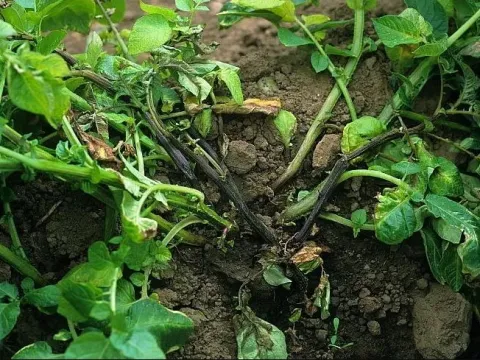
Stems of affected plants often show darkening at the base, leading to sudden wilting and eventual plant death. This occurs because the bacteria destroy the vascular system, preventing water uptake.
- Rapidly spreading water-soaked soft lesions.
- Loss of structural integrity and plant wilting.
- Presence of slimy exudate on infected surfaces.
- Strong, unpleasant putrid odor.
High humidity and poor soil drainage are the primary environmental factors that trigger the development of pectobacteriosis. Moist conditions facilitate the rapid spread of bacterial populations.
Optimal growth for most Pectobacterium species occurs between 20°C and 28°C. However, their survival and activity can persist under a wide range of temperatures, including cold storage conditions.
Mechanical injuries resulting from harvesting, transport, or insect feeding provide entry points for the bacteria to colonize the plant. Intact, healthy surfaces are generally resistant to initial infection.
Storage facilities with poor airflow and fluctuating temperatures create ideal conditions for the disease to spread. Once a single fruit is infected, the moisture and heat allow the bacteria to move to adjacent produce.
Calcium deficiency in plants can result in weaker cell walls, making crops more susceptible to the pectinolytic enzymes produced by these bacteria, thus increasing infection rates.
Pectobacteriosis is considered a highly destructive disease, capable of causing significant crop losses, sometimes exceeding 50% in untreated fields during favorable weather conditions for the pathogen.
A wide range of economically important crops are affected, including potatoes, tomatoes, cabbage, onions, and various ornamental plants, threatening the stability of agricultural production.
The disease causes major post-harvest losses, as infected batches can rot entirely within a short period of storage, leading to substantial financial and food security risks.
Infected plant material becomes unmarketable and unsuitable for processing, representing a total loss for the farmer. There is also the cost of cleaning and disinfecting contaminated storage areas.
The lack of effective curative chemical treatments means that the focus must be entirely on preventative measures, as once the rot takes hold, it cannot be stopped within the affected tissue.
Implementing a proper crop rotation plan is essential. Avoiding the planting of susceptible hosts on the same soil for at least three to four years helps to reduce bacterial inoculum levels.
Strict hygiene practices are necessary, such as using certified disease-free seeds and planting material. Proper drying and curing of tubers before storage significantly improves their natural defense.
Managing insect populations is crucial, as pests cause the physical damage that allows bacteria to enter the plant. Integrated pest management (IPM) is the best approach to lower injury rates.
Harvesting should be done with care to prevent wounding. Ensuring low-temperature, well-ventilated storage environments is vital for inhibiting bacterial multiplication in post-harvest conditions.
Promptly removing and destroying infected plant debris is necessary to limit the spread of the pathogen. Contaminated materials should never be placed in general compost piles.