
Pectobacterium wasabiae
Pectobacterium wasabiae
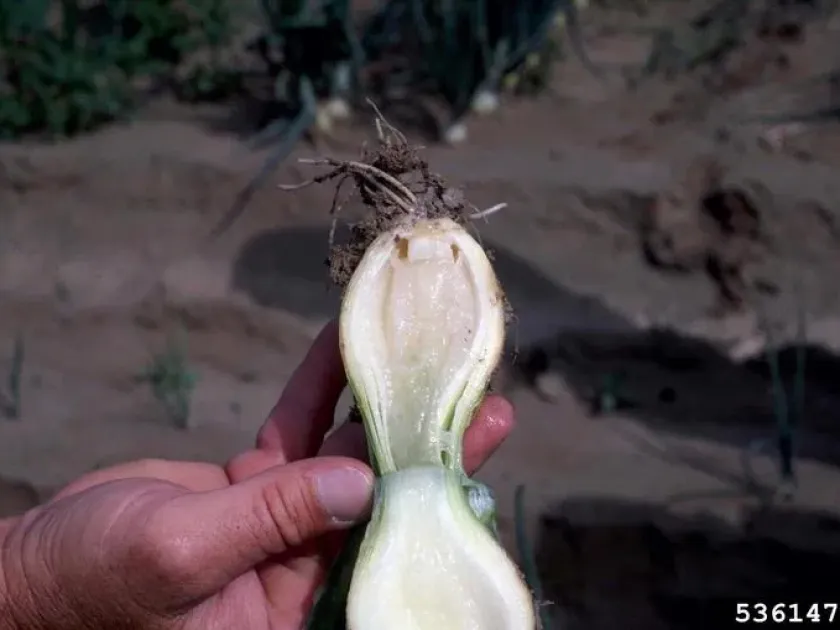
Description
Symptoms
The primary symptom of the disease is the development of soft bacterial rot. Affected plant organs develop water-soaked lesions that expand rapidly in size.
Tissues at the site of infection lose their structural integrity, becoming mushy, slimy, and emitting a distinct foul odor. In advanced stages, the internal tissue is completely destroyed by the pathogen.
In potatoes and root vegetables, the outer skin may remain intact while the interior is completely rotted. A sharp, dark margin often separates the diseased tissue from the healthy parts of the plant.
When stems are affected, they darken, leading to wilting of the upper parts of the plant and eventual death. In high humidity, a bacterial exudate often appears on the surface of the lesions as droplets or a film.
- Softening and maceration of plant tissues
- Characteristic foul-smelling bacterial rot
- Water-soaked lesions on fruits and roots
- Rapid wilting and collapse of infected plants
Pathogen
The causative agent of the disease is the bacterium Pectobacterium wasabiae, belonging to the family Pectobacteriaceae. It is a gram-negative rod-shaped bacterium known for its potent enzymatic activity that degrades plant tissues.
This pathogen produces a complex of pectolytic enzymes that break down the middle lamellae of plant cell walls. This enzymatic action results in the rapid maceration and liquefaction of host tissues.
The bacterium can persist in the soil, on plant debris, in seed material, and in tubers. It is a facultative parasite capable of switching to a saprotrophic lifestyle when a suitable host is unavailable.
Infection is frequently disseminated through contaminated planting material such as seed potatoes or transplants. The bacteria enter the host plant through natural openings like stomata or lenticels, as well as through mechanical wounds.
The diverse strain spectrum of Pectobacterium wasabiae allows the pathogen to adapt to various environmental conditions and a wide range of host plants, presenting a persistent challenge to agricultural production.
Conditions for development
Optimal conditions for Pectobacterium wasabiae development include high relative humidity and saturated soil moisture. Excess water facilitates bacterial multiplication and rapid movement within the plant tissue.
Temperature is a critical factor, with the pathogen showing maximum activity in the range of +20°C to +30°C. Cooler conditions may slow the disease process but do not eliminate the bacterial presence.
Poor ventilation in storage facilities and high planting densities in fields create microclimates that encourage rapid disease spread. Waterlogging in fields significantly increases the risk of an outbreak.
Physical injuries caused by pests, hail, or agricultural operations serve as entry points for the infection. Wounding is a major catalyst for the rapid progression of bacterial soft rot.
Failure to follow crop rotation practices allows the pathogen to accumulate in the soil. Repeated planting of susceptible crops like Solanaceae or Brassicaceae increases the likelihood of infection.
Why it matters
The damage caused by Pectobacterium wasabiae can result in total crop loss in both the field and storage environments. The disease progresses aggressively and is often untreatable once infection is established.
Affected produce becomes completely unmarketable and unsuitable for processing. Bacterial rot can spread rapidly from infected to healthy items in storage, leading to massive losses of stored stocks.
Economic losses include costs associated with discarding spoiled produce, reduction in marketable yield, and the need for expensive quarantine and sanitation measures in storage warehouses.
The use of infected seed stock leads to poor crop stands and reduced overall productivity in subsequent seasons. Produce derived from infected parent plants tends to have poor storage life.
The persistent presence of this pathogen in agricultural systems forces producers to limit their crop choices, thereby reducing the potential profitability and diversity of their farming operations.
Protection
The primary management strategy is strict adherence to crop rotation, with a break of 3–4 years before returning susceptible crops to a field. It is crucial to use only certified, disease-free planting material.
Effective pest control is essential to prevent mechanical damage and potential bacterial entry. Preventive insecticide applications can reduce the risk of infection through minor plant wounds.
Cultivation practices should focus on preventing soil waterlogging and ensuring adequate airflow between plants. Prompt removal and destruction of initial infection foci help suppress the spread of the disease.
Storage facilities must maintain optimal temperature and humidity levels with robust ventilation. Disinfecting storage units and crates before the harvest season is a mandatory procedure.
Chemical control against bacterial diseases is limited. Copper-based products are often used for preventive spraying, while seed and tuber treatments can help reduce initial inoculum levels at planting.
Discussion
No discussions yet — be the first.