
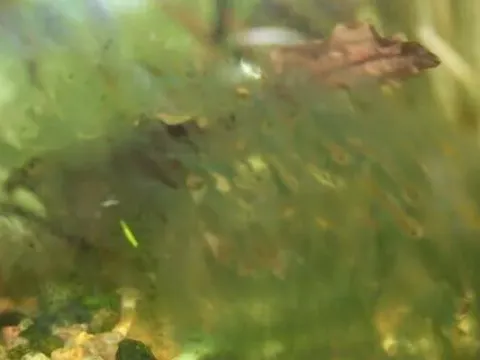
Oscillatoria
Oscillatoria
Oscillatoria is a genus of filamentous cyanobacteria (blue-green algae). While primarily known for aquatic environments, it acts as an agricultural pest, particularly in hydroponic systems, aquaponics, and greenhouses where it affects plant growth.
What the section contains
Oscillatoria
These organisms are photosynthetic and lack differentiated cells. Their filaments, known as trichomes, exhibit distinctive gliding motility. In agricultural settings, they quickly colonize damp surfaces and nutrient-rich solutions.
Oscillatoria does not infect plant tissue internally, but it poses a significant threat by forming dense, slimy mats around root systems. This physically blocks essential nutrient and oxygen uptake, leading to plant stress.
The organism is capable of atmospheric nitrogen fixation, which allows it to thrive in various nutrient environments, often outcompeting beneficial rhizosphere bacteria.
The presence of Oscillatoria serves as an agronomic indicator of poor environmental management, such as stagnant water, excessive lighting, or imbalances in mineral nutrition.
The most visible sign is the formation of dark green, brown, or blackish slimy mats on the surface of growing media, plant stems, or the walls of irrigation and hydroponic containers.
Root systems affected by Oscillatoria appear slippery, discolored, and often emit a foul, swampy odor. This is a direct consequence of anaerobic conditions caused by the algae film covering the roots.
Affected plants show stunted growth and general chlorosis. The inability to absorb nitrogen and phosphorus correctly leads to significant deficiencies, even if those nutrients are present in the irrigation water.
When dry, the algae mats can form a brittle, crusty layer on top of the substrate. These layers are easily distinguishable from fungal mold due to their smooth, plastic-like texture when wet.
In hydroponic setups, the nutrient solution may become cloudy or take on a green tint, which often indicates that the Oscillatoria is actively spreading through the circulation system.
Excessive light exposure in greenhouses is the primary driver for Oscillatoria outbreaks, as it provides the energy necessary for the rapid photosynthesis of these cyanobacteria on wet surfaces.
High concentrations of dissolved nutrients, especially phosphorus and nitrogen, within the hydroponic solution create a eutrophic environment that highly favors the growth of these algae.
Poor aeration of the nutrient solution and stagnant water within the irrigation system significantly facilitate the spread of Oscillatoria filaments to new plants and surfaces.
The ideal temperature range for rapid cell division is between +20°C and +30°C, making warm, enclosed growing environments highly susceptible to colonization.
Using raw water sources such as ponds or rivers without proper filtration or disinfection is the most common entry point for spores and filaments to enter a clean production facility.
The primary harm is the creation of a physical barrier around root zones, causing hypoxia and restricting water intake, which leads to wilting and the eventual death of fine root hairs.
Cyanobacteria secrete specific metabolic byproducts that can be toxic to many crop species, causing chemical stress that interferes with the plant’s normal physiological functions.
Dense algae mats create anaerobic conditions that act as a gateway for secondary infections by opportunistic root rot pathogens like Pythium and Fusarium.
In commercial agriculture, the presence of these algae reduces the aesthetic quality of the harvest, particularly for leafy greens that may become coated in algal residue.
The financial impact includes both yield loss and increased operational costs due to the need for frequent cleaning and disinfection of irrigation and hydroponic systems.
Prevention is centered on light management; utilizing opaque covers for containers, trays, and pipes prevents light from reaching the nutrient solution, thereby halting algal photosynthesis.
Implementing UV sterilization systems in irrigation lines is highly effective, as it destroys the cellular structure of cyanobacteria without leaving harmful residues in the water.
Regular sanitation of all system components using professional-grade hydrogen peroxide solutions helps oxidize organic matter and keeps the circulation system free from algal buildup.
Optimizing mineral nutrient delivery, particularly avoiding phosphorus over-fertilization, limits the resources available for Oscillatoria to thrive.
Biological control using beneficial microbial inoculants helps create a robust rhizosphere microflora, which can naturally outcompete algae and prevent them from colonizing the root zone.