
Ovine foot rot
Dichelobacter nodosus
The causative agent of this condition is the obligate anaerobic bacterium Dichelobacter nodosus. This pathogen produces specialized enzymes that actively digest and degrade the hoof horn tissue.
What the section contains
Ovine foot rot
It is crucial to clarify that this is a severe animal health issue affecting sheep and goats. Despite the scientific naming convention, it is not a plant disease, and it should not be confused with botanical pathogens.
The bacterium is highly susceptible to environmental stressors. Outside the host animal, it can typically survive in soil or on pasture for only about 10 to 14 days before dying.
The primary reservoir for the infection is the chronically infected carrier animal, where the bacteria persist in the deep tissues of the foot, shielded from topical treatments.
Transmission occurs through direct contact between infected and susceptible animals, or through exposure to contaminated bedding and damp ground in high-density holding areas.
The first clinical sign is acute lameness. An affected sheep will often hold the painful foot up or shift its weight frequently to avoid putting pressure on the infected limb.
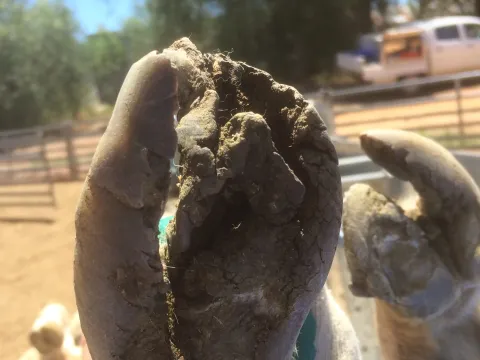
A physical examination of the foot reveals a distinct, foul-smelling necrotic odor. The hoof capsule shows clear separation from the underlying soft tissue of the foot.
The interdigital skin displays significant inflammation, redness, and swelling. As the disease progresses, the sole of the hoof softens and begins to detach entirely.
In severe cases, the pain is so intense that sheep may graze on their knees, leading to rapid weight loss, physical exhaustion, and diminished quality of life.
- Increased local temperature around the coronary band.
- Presence of a greyish, foul-smelling necrotic exudate.
- Complete separation of the hoof wall in chronic stages.
The most critical environmental factor is prolonged exposure to wet, muddy conditions, which soften the hoof horn and facilitate the entry of Dichelobacter nodosus.
Warm, moist weather patterns significantly increase the survivability of the bacteria on pastures, leading to higher transmission rates during specific times of the year.
Overcrowding in barn facilities or pens prevents the feet from drying out, creating a perfect environment for bacterial colonization and spread among the flock.
Hoof trauma caused by rocky, uneven terrain or overgrown hooves provides the necessary entry point for the bacteria to penetrate the sensitive inner layers of the foot.
Poor ventilation and inadequate hygiene in housing facilitate the buildup of organic matter and moisture, which serve as constant sources of reinfection for the animals.
Foot rot causes massive economic damage due to the need for expensive medication, increased labor requirements for individual hoof care, and reduced livestock output.
Infected sheep experience severe pain, which leads to anorexia (reduced appetite), stunted growth, lower milk production, and degraded wool quality.
The chronic stress caused by the disease impacts the reproductive performance of the flock, often leading to lower conception rates and decreased vigor in lambs.
Outbreaks often necessitate strict quarantine measures, preventing farmers from selling or transporting stock, which halts normal commercial operations.
Failure to manage the disease leads to a high prevalence of long-term disability, which may require the culling of highly productive but permanently damaged animals.
Routine hoof trimming is the cornerstone of prevention and control, as it allows for the early detection of lesions and the removal of necrotic tissue that harbors bacteria.
Footbaths containing antiseptic solutions or zinc sulfate are standard treatments used to disinfect hooves and limit the proliferation of the causative bacteria.
Isolating infected individuals in clean, dry pens is essential to prevent the spread of the pathogen to the rest of the flock and to provide a healing environment.
Implementing a strict pasture rotation schedule allows infested areas to dry out and the bacterial population to decrease naturally during the fallow period.
Vaccination programs in high-risk regions help build flock immunity and significantly reduce the clinical severity and frequency of foot rot outbreaks.