
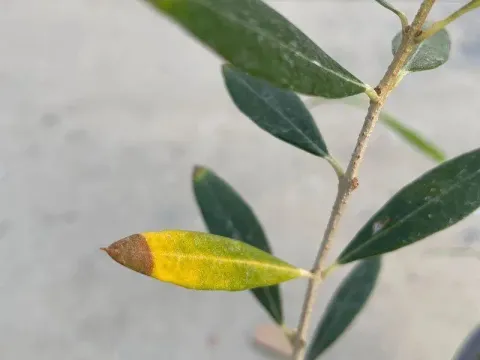
Olive yellows
Olive yellows
Olive yellows is a plant disease caused by phytoplasmas, which are specialized wall-less microorganisms classified under the class Mollicutes. These pathogens colonize the sieve elements of the host plant’s phloem, effectively disrupting the systemic transport of nutrients and photosynthates throughout the tree.
What the section contains
Olive yellows
Transmission occurs primarily through insect vectors, most notably leafhoppers, which feed on the sap of infected olive trees. Upon ingestion, the phytoplasmas circulate within the vector and are subsequently transmitted to healthy trees during the insect's feeding cycle, facilitating the spread of the infection.
The disease is systemic, meaning the pathogen spreads throughout the tree's vascular system, causing long-term physiological disturbances. This internal colonization leads to a gradual decline in the plant's metabolic activity and structural integrity.
Different strains of phytoplasmas can cause varying degrees of symptom severity depending on the olive cultivar and the local environmental conditions. This genetic diversity poses a significant challenge for researchers developing durable diagnostic tools.
Infection can also be introduced to new areas via vegetative propagation using infected scions or rootstocks. Consequently, establishing clean, certified nursery stocks is the most critical step in preventing the initial outbreak of the disease in new plantations.
The hallmark symptom of olive yellows is chlorosis, which manifests as a distinct yellowing of the foliage, particularly on young terminal leaves. The vibrant green color fades to a pale yellow or golden hue as the photosynthetic capacity of the leaves diminishes.
Affected trees often exhibit stunted shoot growth with shortened internodes, leading to a crowded, bushy appearance known as a "witches' broom." The overall shape of the crown becomes disorganized and significantly less productive.
Leaves may show signs of curling, hardening (leathery texture), and premature abscission, which leads to the progressive thinning of the canopy. Necrosis of the twig tips is a common sight in the advanced stages of the disease.
Floral development is severely impacted, with infected trees producing few or no flowers. If fruit is set, it is often deformed, small, and prone to premature drop before reaching maturity, rendering the crop commercially unviable.
Root system health also declines over time, as the lack of nutrient flow from the leaves inhibits root maintenance. This degradation leaves the tree highly susceptible to secondary root pathogens and environmental stresses like drought.
Development of the disease is highly correlated with the activity cycles of insect vectors, which thrive in warm, stable climates. Phytoplasmas replicate most efficiently within the host plant under temperatures ranging from 20 to 30 degrees Celsius.
Poor orchard sanitation, such as dense canopy growth and high weed infestation, provides an optimal environment for leafhopper populations to multiply. Weeds can also serve as alternative reservoirs for the phytoplasma, keeping the disease present even in the absence of olive hosts.
Plant stress, including inadequate irrigation or imbalanced fertilization, reduces the tree's natural resistance. Trees weakened by environmental factors are more susceptible to insect feeding and the subsequent successful transmission of the pathogen.
In regions with mild winters, insect vectors can survive year-round, ensuring a constant threat of infection to olive groves. This persistence facilitates the rapid spread of the disease between adjacent plots if preventive measures are ignored.
Human activity, specifically the use of pruning tools contaminated with sap from infected trees, acts as a mechanical vector. Failing to disinfect equipment between trees is a common, yet avoidable, cause of disease transmission within an orchard.
Olive yellows causes catastrophic economic losses for farmers due to dramatic declines in fruit yield and poor quality. Infected trees gradually lose their economic viability, necessitating their removal from the orchard.
Since there are no curative chemical treatments for phytoplasma diseases, the disease forces a cycle of eradication and replanting. This results in significant loss of investment and time required for new trees to reach their productive stage.
The quality of olive oil produced from infected trees is significantly degraded, as the biochemical composition of the fruit is compromised. This reduces the value of the harvest, impacting the bottom line for producers.
An infected grove acts as a permanent focal point for the disease, endangering neighboring farms. This makes coordinated regional management and strict adherence to quarantine protocols essential to prevent widespread damage.
The death of mature, established olive trees is particularly devastating, as these trees represent decades of history and productivity. Replacing them is both costly and slow, hindering the sustainability of the industry.
The primary control strategy involves the exclusive use of pathogen-tested, certified nursery material. Rigorous quarantine protocols must be maintained when importing plant materials to ensure that the orchard remains free of the pathogen.
Managing vector populations through the strategic application of systemic insecticides can help limit the spread within an orchard. Treatment schedules must be strictly aligned with the life cycle and peak activity periods of the target insect vectors.
Sanitation is paramount; infected trees should be removed and destroyed immediately upon diagnosis to minimize the inoculum source. Pruning tools must be thoroughly disinfected with appropriate agents between every tree to prevent mechanical transmission.
Maintaining a healthy, stress-free orchard by controlling weeds and providing adequate water and nutrients boosts the tree's natural resilience. A well-managed tree is less attractive to insect vectors and more capable of enduring moderate stress.
Future control strategies are increasingly focused on the selection of olive cultivars that demonstrate resistance or tolerance to phytoplasma. Ongoing research into molecular diagnostics is also improving the ability of growers to detect and isolate infected trees early.