
Olive knot
Mycobacterium tuberculosis
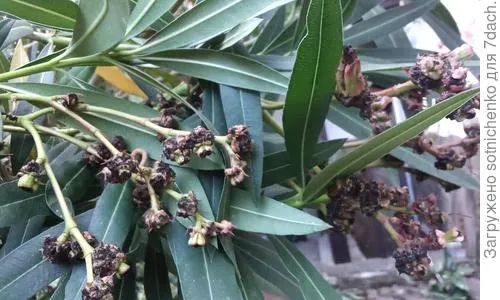
Description
Symptoms
The most visible symptom of olive knot is the formation of galls, also known as knots, on branches, twigs, and sometimes leaves or fruits. These knots start as small, light-colored swellings.
As the knots develop, they become darker, woody, and cracked. Their surface is rough and irregular, reflecting the rapid and disorganized growth of the plant cells caused by the bacterial toxins.
As the galls expand, they can physically encircle a branch, causing the part of the branch distal to the knot to wither and die due to the disruption of the vascular flow.
In addition to branches, leaves may show small circular spots that can develop into tiny knots, leading to yellowing and premature abscission of the foliage.
- Appearance of woody galls on stems and twigs.
- Cracking and splitting of the bark.
- Stunted growth of new shoots.
- Dieback of infected limbs.
Pathogen
Olive knot is a widespread plant disease caused by the bacterium Pseudomonas savastanoi (formerly Bacterium savastanoi). It is essential to clarify that this pathogen has no biological connection to Mycobacterium tuberculosis, the agent responsible for human tuberculosis.
The bacteria invade the plant through wounds, natural openings, or insect bites, colonizing the parenchyma tissues. By producing phytohormones like indole-3-acetic acid, the pathogen stimulates excessive cell division, leading to characteristic tumor-like growths.
This pathogen survives for extended periods in infected twigs, dormant buds, and even within the soil. It is highly resilient to environmental stress, allowing it to persist in olive groves throughout the year.
The disease cycle is heavily dependent on moisture. Water films on the plant surface facilitate the motility of bacteria, enabling them to move towards fresh entry points in the bark.
Due to its ability to colonize the vascular system and internal tissues, the infection can become systemic, making eradication from heavily infested trees extremely difficult.
Conditions for development
High relative humidity and rainfall are the primary drivers of disease progression. Splashing water acts as a vector, spreading bacteria from older, active knots to healthy parts of the tree.
Optimal growth temperatures for the bacterium range from +15°C to +25°C. However, the pathogen remains active under a broad range of cool and moderate weather conditions common in Mediterranean climates.
Physical trauma is a prerequisite for infection. Wind damage, frost cracking, hail, and poor pruning practices provide the necessary entry wounds for the bacteria to colonize the tree.
Dense canopies that lack sufficient airflow create localized pockets of high humidity, which significantly increases the susceptibility of the tree to infection.
The use of contaminated pruning shears is a major factor in the spread of the disease between trees, as the bacteria can survive on metal surfaces for several hours.
Why it matters
Olive knot causes significant economic losses by debilitating the trees. The physiological resources redirected to knot growth significantly reduce the tree's ability to produce high-quality fruits.
Extensive infections lead to the dieback of large branches, which forces growers to perform drastic pruning, resulting in smaller tree sizes and lower annual yields.
The presence of galls can degrade the structural integrity of the wood, making trees more vulnerable to breakage during high winds or heavy fruit loads.
Furthermore, the systemic nature of the infection can lead to the overall decline of the orchard's health, requiring intensive and long-term sanitation efforts to manage the disease.
If left unmanaged, the rapid spread of the bacterium within an orchard can lead to the total abandonment of affected blocks due to the high cost of maintenance and low profitability.
Protection
The cornerstone of olive knot management is strict sanitation. All tools used for pruning must be disinfected after working on each individual tree to prevent cross-contamination.
Pruning should be conducted during dry weather conditions to minimize the risk of bacterial entry through fresh wounds. Removing and burning heavily infected twigs is crucial for reducing inoculum.
Copper-based bactericides applied preventatively before and after the wet season provide a protective barrier, reducing the incidence of new infections on the bark.
Proper orchard management, including appropriate fertilization and thinning, helps maintain tree vigor and ensures good airflow, which reduces the duration of surface wetness.
Planting resistant varieties is the most effective long-term strategy for preventing the disease, as certain cultivars show a greater ability to limit the size and number of galls.
Discussion
No discussions yet — be the first.