
Ovine eperythrozoonosis
Eperythrozoon ovis
Ovine eperythrozoonosis is an infectious disease caused by the microorganism Mycoplasma ovis. Historically classified as Eperythrozoon ovis, it is now identified as a mycoplasma species that parasitizes the surface of red blood cells in sheep.
What the section contains
Ovine eperythrozoonosis
The pathogen attaches itself to the erythrocyte membrane, causing structural damage. This process leads to the premature destruction of red blood cells, which directly results in anemia and impacts the animal's overall physiological stability.
Transmission occurs primarily through arthropod vectors, including ticks, lice, and biting flies. These ectoparasites transmit the bacteria while feeding on the blood of infected animals and transferring the pathogen to healthy sheep.
Iatrogenic transmission is also a significant factor in livestock management. Contaminated veterinary instruments used for injections, ear tagging, or shearing can easily spread the infection within a flock if hygiene standards are not strictly followed.
Mycoplasma ovis is known for its ability to persist in the host for extended periods in a latent state. These asymptomatic carriers often serve as a continuous source of infection for the rest of the flock, especially when animal immunity drops.
The primary clinical sign of eperythrozoonosis is anemia, which is characterized by pale mucous membranes in the eyes, mouth, and nose. In severe cases, the depletion of red blood cells may result in icterus, manifesting as a yellowish tint to the tissues.
Affected sheep exhibit lethargy, reduced physical stamina, and a notable loss of appetite. These animals often lag behind the rest of the flock during grazing, showing signs of general weakness and malaise.
Fever is not always present; however, performance indicators drop significantly. Lactating ewes typically show a sharp decline in milk yield, which is often the first sign noticed by farm staff during routine milking or herd care.
Lambs are particularly susceptible and often suffer more severe consequences, including stunted growth, poor wool quality, and increased mortality rates. Their developing immune systems struggle to cope with the pathogen without medical support.
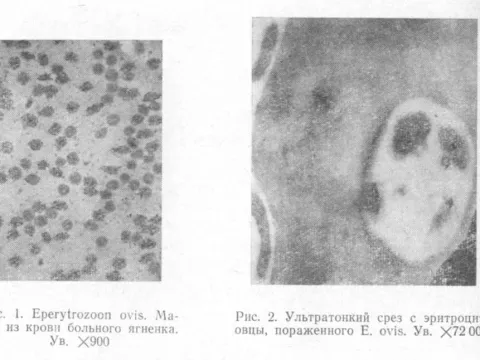
Diagnosis is confirmed through laboratory testing of blood smears. Using specific staining techniques, a veterinarian can visualize the microorganisms adhering to the surface of the erythrocytes, providing a clear clinical confirmation.
The main harm caused by this disease is chronic tissue hypoxia resulting from anemia. This weakens the animal's immune system, making the flock highly vulnerable to secondary infections and parasitic infestations that would otherwise be manageable.
Economic losses are driven by reduced weight gain in fattening lambs and lower wool production quality. Furthermore, the costs associated with veterinary treatment and the loss of animals due to severe illness significantly impact farm profitability.
Reproductive issues are frequently reported in infected ewes, leading to lowered fertility rates and the birth of weak offspring. This disrupts the breeding cycle and affects the long-term potential of the livestock operation.
In cases of chronic infection, animals may become unmarketable due to poor condition and weight loss. This necessitates the early culling of affected individuals to protect the economic interests of the agricultural business.
The spread of this disease, especially in regions with high vector populations, can lead to widespread outbreaks, requiring immediate and costly containment strategies to prevent total herd infection.
Effective control of ovine eperythrozoonosis focuses on rigorous ectoparasite management. Regular application of acaricides and insecticides on sheep and in housing areas is essential to break the cycle of transmission by vectors.
Maintaining high hygiene standards is critical. All equipment used for veterinary procedures or grooming must be disinfected between animals to prevent cross-contamination of blood, which is the primary route for the pathogen.
If the disease is diagnosed, immediate isolation of the affected sheep is mandatory to prevent the spread to the rest of the flock. Targeted antibiotic treatments, particularly using tetracyclines, are standard practice for managing the infection.
Providing a balanced diet rich in essential minerals and vitamins is vital for supporting the flock's immune system. Healthy, well-nourished sheep are significantly more capable of resisting the clinical onset of the disease.
Continuous health monitoring and professional veterinary oversight are necessary to detect potential carriers early. Proactive management and adherence to biosecurity protocols represent the most cost-effective approach for long-term herd health.