

Reference · Diseases
Viral diseases
Viral plant diseases are conditions caused by phytoviruses, which are submicroscopic infectious agents consisting of genetic material (DNA or RNA) enclosed in a protein coat. Being obligate intracellular parasites, they must enter a host cell to replicate, where they disrupt normal metabolic pathways, leading to systemic physiological stress in the plant organism.
2 061
items
What the section contains
Millet mosaic virus
Potyvirus pennisseti
 Millet streak virus
Mastrevirus sporoboprimi
Mimosa begomovirus
Begomovirus mimosae
Minor rice virus diseases
Minor virus diseases
Mint closterovirus
Closterovirus menthae
Millet streak virus
Mastrevirus sporoboprimi
Mimosa begomovirus
Begomovirus mimosae
Minor rice virus diseases
Minor virus diseases
Mint closterovirus
Closterovirus menthae
 Mint leaf spot virus
Menthavirus menthae
Mint leaf spot virus
Menthavirus menthae
 Mint mosaic virus
Potexvirus ecsmenthae
Mint virus
Menthavirus
Mint vitivirus
Vitivirus duomenthae
Mirabilis mosaic virus
Carlavirus mirabilis
Miscanthus mastrevirus
Mastrevirus miscanthi
Miscanthus mosaic
Bromovirus myfv
Misolani virus
Carlavirus misolani
Miti tessellated virus
Tobamovirus mititessellati
Monjiviricetes
Monjiviricetes
Mint mosaic virus
Potexvirus ecsmenthae
Mint virus
Menthavirus
Mint vitivirus
Vitivirus duomenthae
Mirabilis mosaic virus
Carlavirus mirabilis
Miscanthus mastrevirus
Mastrevirus miscanthi
Miscanthus mosaic
Bromovirus myfv
Misolani virus
Carlavirus misolani
Miti tessellated virus
Tobamovirus mititessellati
Monjiviricetes
Monjiviricetes
 Monodnaviria
Monodnaviria
Monodnaviria
 Mononegavirales
Mononegavirales
Mononegavirales
 Morales begomovirus
Begomovirus moralesi
Morales begomovirus
Begomovirus moralesi
 Morivena spotted wilt virus
Orthotospovirus morivenae
Morivena spotted wilt virus
Orthotospovirus morivenae
 Morocco tomato virus
Tombusvirus moroccoense
Morocco tomato virus
Tombusvirus moroccoense
 Mountain ash ringspot-associated virus
Emaravirus sorbi
Mouse tail mosaic virus
Tobamovirus muricaudae
Mucuna begomovirus
Begomovirus mucunae
Mucuna yellow mosaic virus
Begomovirus mucunaflavi
Mulberry badnavirus
Badnavirus mori
Mountain ash ringspot-associated virus
Emaravirus sorbi
Mouse tail mosaic virus
Tobamovirus muricaudae
Mucuna begomovirus
Begomovirus mucunae
Mucuna yellow mosaic virus
Begomovirus mucunaflavi
Mulberry badnavirus
Badnavirus mori
 Mulberry curly leaf
Mulberry curly little leaf agent
Mulberry latent virus
Mulberry latent virus
Mulberry curly leaf
Mulberry curly little leaf agent
Mulberry latent virus
Mulberry latent virus
 Mulberry ringspot virus
Nepovirus mori
Mulberry ringspot virus
Nepovirus mori
 Mulpavirales
Mulpavirales
Mulpavirales
 Mung bean yellow mosaic virus
Begomovirus vignaradiataindiaense
Mung bean yellow mosaic virus
Begomovirus vignaradiataindiaense
 Mungbean yellow mosaic virus
Begomovirus vignaradiatae
Mungbean yellow mosaic virus
Begomovirus vignaradiatae
 Muricatus mosaic virus
Potyvirus muricati
Muricatus mosaic virus
Potyvirus muricati
 Muskmelon vein yellowing virus
Muskmelon vein necrosis virus
Mycoflexivirus
Mycoflexivirus
Muskmelon vein yellowing virus
Muskmelon vein necrosis virus
Mycoflexivirus
Mycoflexivirus
 Myrobalan latent ringspot virus
Nepovirus cerasiferae
Myrobalan latent ringspot virus
Nepovirus cerasiferae
 Naedrevirales
Naldaviricetes
Naldaviricetes
Nanovirus
Nanovirus
Naedrevirales
Naedrevirales
Naldaviricetes
Naldaviricetes
Nanovirus
Nanovirus
 Nanovirus necropumiliviciae
Nanovirus necropumiliviciae
Nanovirus necropumiliviciae
 Nanovirus necrosis
Nanovirus necropisi
Narcissus latent virus
Carlavirus latensnarcissi
Nanovirus necrosis
Nanovirus necropisi
Narcissus latent virus
Carlavirus latensnarcissi
 Narcissus leaf scorch
Narcissus tip necrosis virus
Narcissus leaf scorch
Narcissus tip necrosis virus
 Narcissus line pattern virus
Potyvirus narcissuslineae
Narcissus stripe virus
Potexvirus narcissi
Narcissus symptomless infection
Narcissus symptomless virus
Narcissus white streak
Narcissus white streak virus
Narcissus yellow stripe
Potyvirus narcissus
Narcissus yellow stripe virus
Macluravirus narcissi
Narcissus yellow stripe virus
Potyvirus narcissusdegeneris
Neckarfluminis necrosis virus
Tombusvirus neckarfluminis
Narcissus line pattern virus
Potyvirus narcissuslineae
Narcissus stripe virus
Potexvirus narcissi
Narcissus symptomless infection
Narcissus symptomless virus
Narcissus white streak
Narcissus white streak virus
Narcissus yellow stripe
Potyvirus narcissus
Narcissus yellow stripe virus
Macluravirus narcissi
Narcissus yellow stripe virus
Potyvirus narcissusdegeneris
Neckarfluminis necrosis virus
Tombusvirus neckarfluminis
 Necrovirus
Negarnaviricota
Negarnaviricota
Nemesia tymovirus
Tymovirus nemesiae
Necrovirus
Necrovirus
Negarnaviricota
Negarnaviricota
Nemesia tymovirus
Tymovirus nemesiae
 Nepovirus
Nepovirus
Nepovirus
 Nerine latent virus
Carlavirus latensnerinis
Nerine latent virus
Carlavirus latensnerinis
 Nerine mosaic virus
Potyvirus nerinis
Norzivirales
Norzivirales
Nothoscordum mosaic virus
Potyvirus nothoscordi
Nerine mosaic virus
Potyvirus nerinis
Norzivirales
Norzivirales
Nothoscordum mosaic virus
Potyvirus nothoscordi
 Nucleopolyhedrosis
Nucleopolyhedrovirus
Nucleorhabdovirus
Nucleorhabdovirus
Nucleopolyhedrosis
Nucleopolyhedrovirus
Nucleorhabdovirus
Nucleorhabdovirus
Millet streak virus
Mastrevirus sporoboprimi
Mimosa begomovirus
Begomovirus mimosae
Minor rice virus diseases
Minor virus diseases
Mint closterovirus
Closterovirus menthae
Mint leaf spot virus
Menthavirus menthae
Mint mosaic virus
Potexvirus ecsmenthae
Mint virus
Menthavirus
Mint vitivirus
Vitivirus duomenthae
Mirabilis mosaic virus
Carlavirus mirabilis
Miscanthus mastrevirus
Mastrevirus miscanthi
Miscanthus mosaic
Bromovirus myfv
Misolani virus
Carlavirus misolani
Miti tessellated virus
Tobamovirus mititessellati
Monjiviricetes
Monjiviricetes
Monodnaviria
Monodnaviria
Mononegavirales
Mononegavirales
Morales begomovirus
Begomovirus moralesi
Morivena spotted wilt virus
Orthotospovirus morivenae
Morocco tomato virus
Tombusvirus moroccoense
Mountain ash ringspot-associated virus
Emaravirus sorbi
Mouse tail mosaic virus
Tobamovirus muricaudae
Mucuna begomovirus
Begomovirus mucunae
Mucuna yellow mosaic virus
Begomovirus mucunaflavi
Mulberry badnavirus
Badnavirus mori
Mulberry curly leaf
Mulberry curly little leaf agent
Mulberry latent virus
Mulberry latent virus
Mulberry ringspot virus
Nepovirus mori
Mulpavirales
Mulpavirales
Mung bean yellow mosaic virus
Begomovirus vignaradiataindiaense
Mungbean yellow mosaic virus
Begomovirus vignaradiatae
Muricatus mosaic virus
Potyvirus muricati
Muskmelon vein yellowing virus
Muskmelon vein necrosis virus
Mycoflexivirus
Mycoflexivirus
Myrobalan latent ringspot virus
Nepovirus cerasiferae
Naedrevirales
Naedrevirales
Naldaviricetes
Naldaviricetes
Nanovirus
Nanovirus
Nanovirus necropumiliviciae
Nanovirus necropumiliviciae
Nanovirus necrosis
Nanovirus necropisi
Narcissus latent virus
Carlavirus latensnarcissi
Narcissus leaf scorch
Narcissus tip necrosis virus
Narcissus line pattern virus
Potyvirus narcissuslineae
Narcissus stripe virus
Potexvirus narcissi
Narcissus symptomless infection
Narcissus symptomless virus
Narcissus white streak
Narcissus white streak virus
Narcissus yellow stripe
Potyvirus narcissus
Narcissus yellow stripe virus
Macluravirus narcissi
Narcissus yellow stripe virus
Potyvirus narcissusdegeneris
Neckarfluminis necrosis virus
Tombusvirus neckarfluminis
Necrovirus
Necrovirus
Negarnaviricota
Negarnaviricota
Nemesia tymovirus
Tymovirus nemesiae
Nepovirus
Nepovirus
Nerine latent virus
Carlavirus latensnerinis
Nerine mosaic virus
Potyvirus nerinis
Norzivirales
Norzivirales
Nothoscordum mosaic virus
Potyvirus nothoscordi
Nucleopolyhedrosis
Nucleopolyhedrovirus
Nucleorhabdovirus
Nucleorhabdovirus
Marketplace
Products in this section · 12
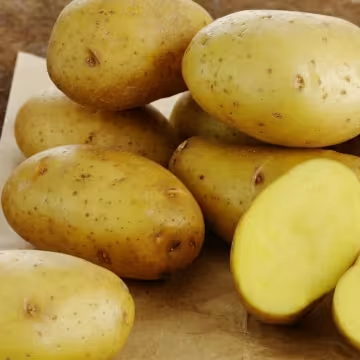

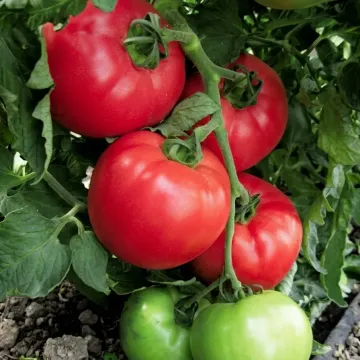

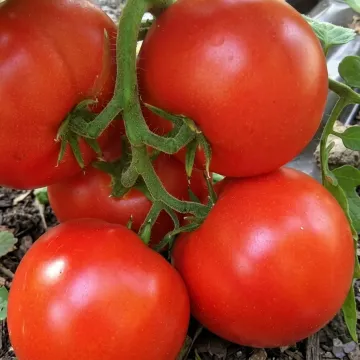
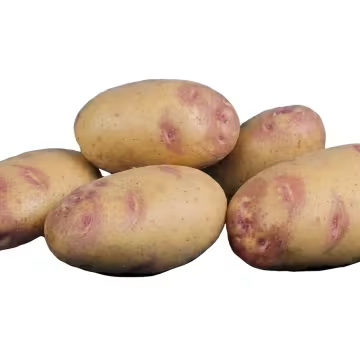
Viral diseases
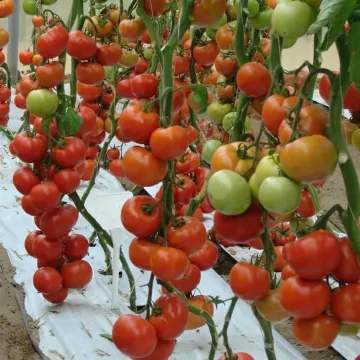
These diseases affect a diverse range of botanical families, posing significant threats to cereals, vegetables, legumes, and perennial fruit crops. Major economically significant infections include potato mosaic virus, cucumber mosaic virus, and tomato spotted wilt virus, which can compromise agricultural productivity globally across various climate zones.
The primary clinical manifestations of viral infections include chlorosis, leaf mosaic patterns, vein clearing, and necrotic spots. Affected plants often exhibit morphological abnormalities such as leaf curling, stunting, reduced fruit set, and abnormal seed development. These systemic signs are indicative of viral spread through the phloem, affecting the overall vigor and growth of the plant.
Viral transmission is highly efficient through biological vectors—most notably insects like aphids, whiteflies, thrips, and mites—that acquire the virus from infected tissues and transmit it to healthy ones. Additionally, viruses spread mechanically through farm machinery, pruning tools, and grafting, or via infected propagation materials like tubers, cuttings, or seeds, which harbor the pathogen in a dormant state.
The damage caused by plant viruses is often irreparable since there are no curative chemical treatments; therefore, disease control relies entirely on preventive measures. Key strategies for sustainable management include:
- sourcing certified, virus-free seeds and planting stock;
- implementing rigorous vector control programs to manage insect populations;
- removing and destroying weed hosts that serve as virus reservoirs;
- adhering to strict sanitation protocols for pruning and cultivation equipment;
- breeding and cultivating genetically resistant varieties of major crops.