

SAARSKY
ФГБОУ ВО Санкт-Петербургский государственный аграрный университет
Cucumber
0
0
·
29
No offers
—
Details
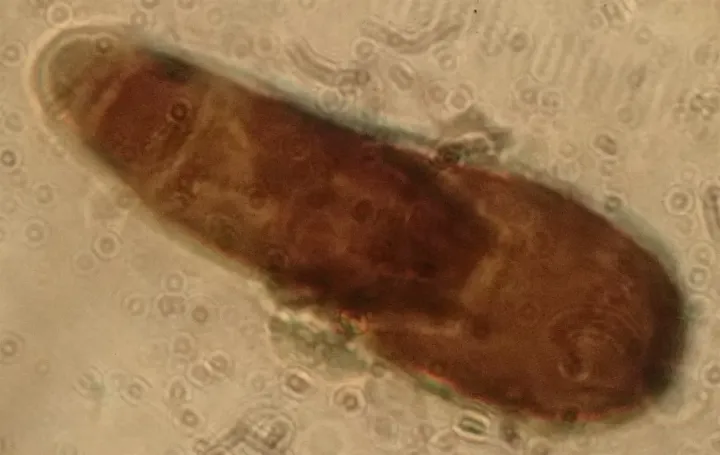
The primary symptom of Corynespora leaf spot is the development of necrotic lesions that vary in shape from circular to irregular, often exhibiting distinct concentric rings.
These spots are initially light brown but eventually darken, often surrounded by a yellow halo, which is a classic diagnostic feature of the infection.
Under humid conditions, the lesions produce an olive-brown, velvet-like growth, which represents the masses of fungal spores generated for further infection.
Symptoms can appear on leaves, stems, and petioles; in severe cases, the lesions coalesce, leading to premature leaf drop and the blight of affected tissues.
Specifically in Clerodendrum thomsoniae (Bleeding Heart Vine), the disease manifests as unsightly spots that drastically reduce the plant's ornamental value.
The disease is caused by the fungus Corynespora cassiicola, an ascomycete pathogen known for its ability to infect a vast array of botanical hosts.
This pathogen persists in infested crop debris, soil, and occasionally on seeds, allowing it to survive between growing seasons in various environments.
Once conditions are favorable, it produces conidia which spread via wind currents, splashing rain, or overhead irrigation, facilitating rapid local dissemination.
The fungus produces a phytotoxin called cassiicolin, which is crucial for the virulence of the pathogen and the development of necrotic lesions on host plants.
Because of its genetic diversity, C. cassiicola is known to overcome resistance in some plant varieties, making it a persistent challenge for plant pathologists.
High humidity levels (typically above 80%) and temperatures between 25°C and 30°C are the optimal environmental requirements for Corynespora proliferation.
Inadequate ventilation in greenhouses creates stagnant air pockets, which promotes the accumulation of moisture on foliage, accelerating spore germination.
Poor management of irrigation, particularly the use of overhead sprinklers, ensures that leaf surfaces stay wet for extended periods, favoring fungal entry.
High plant density reduces light penetration and airflow, creating a microclimate that is extremely conducive to the rapid spread of the disease.
Plants under physiological stress, such as improper fertilization or water logging, have lowered defense mechanisms, making them more susceptible to colonization.
The disease significantly reduces the photosynthetic area of the plant, which leads to stunted growth, reduced vigor, and lower yields in agricultural crops.
Defoliation caused by the fungus impairs the plant's ability to store energy, making it prone to secondary infections and long-term decline.
For ornamental plant producers, the economic impact is substantial, as infected plants become unmarketable and require costly disposal and treatment.
If left uncontrolled, the infection can progress from the foliage to the vascular system of the plant, leading to systemic wilting and eventual death.
The broad host range of the pathogen complicates crop rotation strategies, as it can persist on alternative weed hosts in or near the production area.
Sanitation is the most critical step in disease management: removing all infested plant material and sanitizing tools is essential to break the infection cycle.
Managing the greenhouse environment by improving air circulation and lowering humidity can significantly inhibit the development of the pathogen.
Application of fungicides, such as strobilurins or triazoles, should be part of a rotating program to prevent the development of resistance in the fungal population.
When symptomatic plants are identified, they should be immediately segregated from healthy stock and treated to prevent further airborne transmission of spores.
No discussions yet — be the first.