


SKU #41391
·
53 views
Zuhra
Cucumber
Rijk ZwaanUser rating
0 votes0% positive reviews
No ratings yet — be the first.
Plant Type
Vegetative
Growing
Open Ground, Glass greenhouses
Fruit; flower
Light Green
Registration year
2015
About product

High-performance hybrid with excellent disease resistance and consistent fruit quality.
Plant Type
Vegetative
Growing
Open Ground, Glass greenhouses
Fruit; flower
Light Green
Registration year
2015
Description
Consistent Performance in Any Environment
The «Zukhra» cucumber variety by Rijk Zwaan is engineered for growers who prioritize predictability and efficiency. Featuring a vegetative plant type, it develops a robust root system capable of sustaining the plant through fluctuating conditions, which is a major advantage for open-field cultivation. Operators consistently report that the hybrid shows remarkable resilience, bouncing back quickly from temperature shocks and moisture deficits.
Practical Field Advantages
- Disease Resistance: With built-in genetic protection against Cladosporium and Powdery Mildew, you significantly reduce the need for expensive fungicide programs. This minimizes your operational costs while ensuring a healthier, more marketable crop.
- Versatile Deployment: Whether you are managing glass greenhouses or large-scale open plots, the Zukhra hybrid performs consistently. You do not need to juggle multiple varieties for different field environments, which simplifies your planting schedule and logistics.
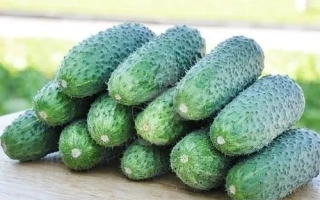
- Fruit Quality: The characteristic light green color and uniform sizing make for a seamless harvest process. These cucumbers are highly transportable, maintaining their firmness and crisp texture long after harvesting, ensuring fewer losses during the supply chain.
Choosing Zukhra means investing in reliable Rijk Zwaan genetics. It requires standard agronomic practices but rewards the grower with a high-volume, uniform yield. For the operator, this means less time troubleshooting and more focus on harvesting, packing, and sales, making it a highly cost-effective choice for modern vegetable production.
Crop & resistance
Disease resistance
Specifications hover over for a hint about the specification
| Plant Type | |
|---|---|
|
Growing
Growing
Eggplant is grown in open fields and under protective cover on small areas. |
|
|
Fruit; flower
Fruit; flower
At technical maturity, fruit color varies from white, light purple to dark purple. |
|
| Registration year | 2015 |
| Catalog | Catalog → Cucumber |
| Manufacturer | Rijk Zwaan |
| Country | Netherlands |
Store offers
Prices are updated on loadLoading offers…
Aggregator catalog: prices are collected automatically from store websites, normalized by AI and converted at the current exchange rate. Before ordering, confirm the price and availability on the store's website. This block is not indexed by search engines — the data is loaded after the page opens.
Not yet комментариев. Be the first!
Alternatives
Cucumber seeds · similar varieties





See also
Often considered together with this variety




Recently viewed
Products you’ve viewed on this site
Reviews · 0