
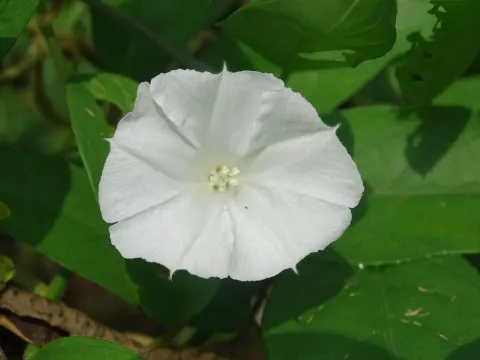
Ipomoea uniflora
Ipomoea uniflora
Ipomoea uniflora is a distinct species belonging to the Convolvulaceae family. As a vigorous climbing or trailing plant, it is recognized for its ability to adapt to various tropical and subtropical ecosystems, acting as both an ornamental and a potential ground cover.
What the section contains
Ipomoea uniflora
The origin of this species is primarily traced to the tropical regions of Africa and Asia. It thrives in open, sunny locations where it can utilize solar energy to fuel its rapid growth cycle. These ecological preferences make it suitable for cultivation in warm climates with long, hot summers.
Regarding climate, the plant demands warm temperatures, ideally between 22 and 30 degrees Celsius. It is highly intolerant of frost, which restricts its outdoor agricultural use to regions that remain frost-free or to seasonal cultivation during the warmest months of the year.
Soil composition is vital for the health of Ipomoea uniflora. It prefers well-draining, sandy-loam soils that allow for rapid root expansion. Heavy or waterlogged soils are detrimental to the plant, often leading to physiological stress and reduced overall biomass production.
Agronomic management requires consistent support systems for climbing varieties to promote vertical growth. This architectural approach not only saves space but also minimizes contact with soil pathogens and enhances overall plant health through improved airflow around the foliage.
Spider mites represent a major threat to the cultivation of Ipomoea uniflora, especially in dry and hot conditions. These pests thrive under low humidity, causing leaf chlorosis and eventual necrosis of affected tissues if left untreated.
Powdery mildew is a common fungal challenge caused by high humidity and poor ventilation. It manifests as a white, dusty layer on the leaves, which hinders photosynthesis and severely reduces the vigor of the plant during the peak vegetative stage.
Root rot is often the result of improper irrigation practices. Maintaining a careful balance of soil moisture is essential; the soil should be kept moist but never saturated to prevent the development of opportunistic pathogenic fungi.
Aphids can cause significant damage by feeding on young stems and buds. Besides direct mechanical damage, they act as vectors for various viral diseases, making insect control a priority for any successful cultivation program.
Integrated pest management (IPM) is highly recommended. This includes the use of selective biological controls and good sanitation practices, such as removing infected plant debris, which helps prevent the establishment of common agricultural pests.