
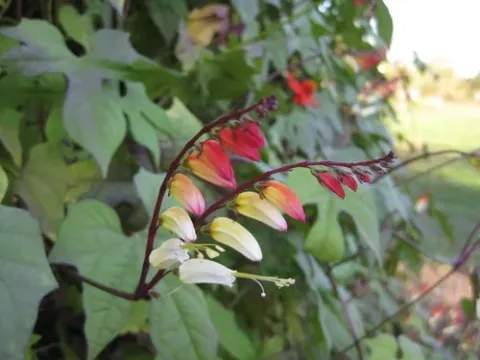
Ipomoea lobata
Ipomoea lobata
Ipomoea lobata is a heat-loving plant, and its sowing time is strictly dictated by the climate and the method of cultivation. In temperate regions, it is advisable to sow seeds indoors in late March or early April to ensure strong plants before transplanting.
What the section contains
Ipomoea lobata
Direct sowing into open ground is only feasible once the threat of frost has completely passed and soil temperatures have reached at least 15 degrees Celsius. Typically, this occurs in late May or early June in many northern latitudes.
It is recommended to soak the seeds in warm water for 24 hours prior to planting to soften the seed coat and encourage faster germination. When moving seedlings to the garden, ensure a spacing of 30–40 centimeters to allow for healthy development of the root systems.
The plant exhibits vigorous growth, so seedlings need ample light to prevent stretching. If natural sunlight is insufficient, supplementary lighting should be provided to ensure the stems remain sturdy and ready for transplantation.
During the germination phase, covering the containers with plastic or glass helps maintain consistent humidity. Seeds generally emerge within 10 to 14 days when kept in a warm environment with temperatures between 22 and 24 degrees Celsius.
Ipomoea lobata, a member of the Convolvulaceae family, originates from the tropical regions of Mexico and Central America. This exotic climber is highly valued for its rapid growth rate, often reaching heights of 3 to 5 meters in a single growing season.
Optimal growth requires a sunny location with protection from strong winds that might damage the vine's delicate stems. High light intensity is essential for the development of the plant's characteristic vibrant, multi-colored flower spikes.
The ideal soil for this crop should be loose, fertile, and well-drained. The plant does not tolerate waterlogging, so if planting in heavy soil, incorporating organic matter or sand for better drainage is necessary to prevent root rot.
Regular watering is required, especially during hot and dry spells, to maintain steady growth. However, care must be taken to avoid oversaturating the soil, as constant moisture around the roots can lead to fungal issues and poor plant health.
Vertical supports are a fundamental requirement for this climber. Using trellises, netting, or cord systems allows the plant to climb effectively, which improves air circulation and enhances the overall visual impact of the flowering vine.
While relatively robust, Ipomoea lobata can be susceptible to fungal diseases such as powdery mildew, especially if the planting density is too high or if air circulation is restricted. Preventive spacing is key to maintaining a healthy canopy.
Pests like aphids and spider mites are common threats, particularly in hot, dry conditions. These insects can quickly colonize the leaves and stems, requiring immediate attention with insecticidal soaps or specific acaricides to prevent extensive damage.
Root-knot nematodes can also pose a risk if the soil is not properly managed. Utilizing high-quality, disease-free potting soil for the initial stages of growth significantly reduces the risk of introducing soil-borne pathogens into the garden.
Proper hygiene, such as removing debris and any diseased plant parts, is crucial for disease control. Monitoring the plants consistently ensures that infestations are detected early before they can affect the plant's ability to bloom.
Integrated pest management strategies, combining regular monitoring with targeted biological or chemical treatments, are recommended. Ensuring the plant is not under environmental stress also helps it build natural resistance against minor pest attacks.