
Ipomoea heterophylla
Ipomoea heterophylla
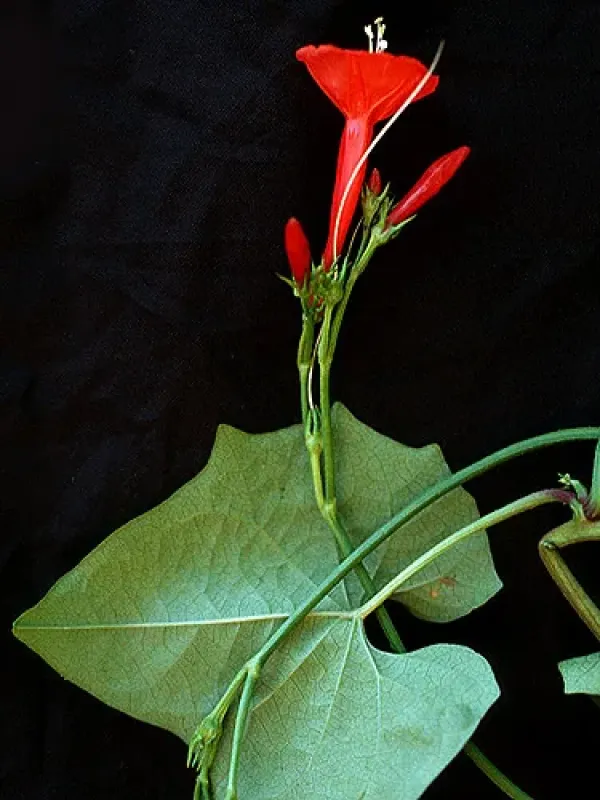
Description
Sowing dates
Ipomoea heterophylla belongs to the Convolvulaceae family. As a thermophilic crop, it requires strict adherence to sowing dates, which should coincide with the period when soil temperatures consistently reach +15°C.
In temperate climates, sowing in open ground should not be conducted earlier than May. To achieve earlier vegetation and growth, producers often practice transplanting seedlings into the field at the beginning of June.
The sowing depth typically ranges from 1 to 2 centimeters, depending on the mechanical composition and moisture levels of the soil. The optimal planting density must ensure sufficient space for vine development, as the crop exhibits rapid biomass accumulation.
Biologically, the plant is an annual herbaceous vine prone to intensive growth under long daylight conditions. Early sowing in insufficiently warmed soil leads to a significant delay in seed germination and increases the risk of seed decay.
Regular irrigation during the initial post-sowing stage is critical for the development of the primary root system and ensuring high germination rates. Excessive soil moisture during this period is detrimental as it reduces aeration in the root zone.
Growing requirements
The crop demands high light levels, preferring open areas with direct sunlight throughout the day. In shaded conditions, the decorative and biological characteristics of the plant deteriorate significantly, slowing overall development.
Soil composition for Ipomoea heterophylla should be light, sandy, or loamy with excellent drainage properties. High humus content promotes active vegetative growth and enhances the intensity of flowering throughout the season.
The plant does not tolerate stagnant water, therefore areas with high groundwater tables are strictly unsuitable for its cultivation. Soil pH should ideally be slightly acidic or neutral, within the range of 6.0–7.0.
The optimal temperature range for crop development is +20...+25°C. When temperatures drop below +10°C, metabolic processes within the plant tissues slow down, which negatively impacts the formation of green mass.
Agricultural management includes regular inter-row cultivation to prevent the formation of a soil crust. Mulching helps retain soil moisture and suppresses weed development during the early stages of vegetation.
Main diseases and pests
The main pests affecting Ipomoea are representatives of the Hemiptera order, particularly aphids. They feed on the cell sap of young leaves and shoots, leading to deformation and overall weakening of the plant.
During hot periods with low air humidity, spider mites frequently appear on the crops. Symptoms of infestation include tiny light spots on the leaf blades and fine webbing on the undersides of the leaves.
Among fungal diseases, various types of rot are the most dangerous, occurring when moisture regimes are disrupted. Root rot can destroy crops in a short period if water stagnation occurs in the soil.
Anthracnose and white rust manifest as spots of varying shapes and colors on the foliage. To prevent the spread of disease, affected plant parts must be immediately removed and disposed of away from the field.
- Regular inspection of plants for signs of pests.
- Timely application of insecticides and fungicides according to regulations.
- Adherence to crop rotation to reduce the infectious load of the soil.