
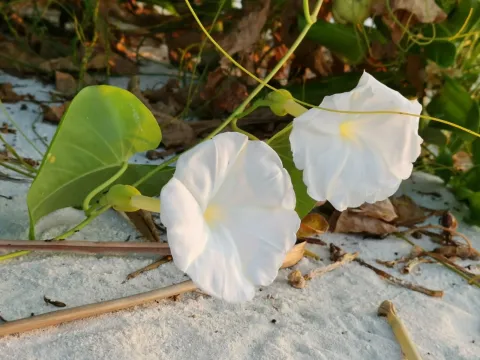
Ipomoea tuba
Ipomoea tuba
Ipomoea tuba is a perennial vine species belonging to the Convolvulaceae family, native to tropical coastal areas worldwide. It is well-known for its aggressive growth habit, which allows it to thrive in diverse tropical ecosystems, often establishing itself in sandy soils near shorelines.
What the section contains
Ipomoea tuba
The plant requires high, consistent temperatures to sustain its metabolism, as it lacks any resistance to frost. In cultivation, it thrives best in well-drained, porous soils that prevent root saturation, which is the most critical factor in managing the health of this climbing species.
Sunlight is a primary requirement for Ipomoea tuba, as it demands full exposure to develop thick, healthy foliage and abundant blooms. Providing adequate vertical support, such as trellises or wires, is essential for the plant to exhibit its natural growth patterns and ensure proper air circulation.
Watering practices should be strictly regulated to mirror the tropical environment's natural cycles. While the plant requires regular irrigation during active growth, it is sensitive to waterlogged conditions, which can lead to rapid decline if the soil drainage is inadequate.
Regular maintenance involves pruning and training, which helps in managing the vine's density and preventing tangled, weakened stems. By guiding the growth early in the season, growers can ensure that the plant remains vigorous and aesthetically appealing throughout its vegetative phase.
The most common threats to Ipomoea tuba are fungal diseases, particularly root rot, triggered by overwatering or high humidity in poorly ventilated settings. Maintaining proper soil moisture levels is the primary preventative measure against these systemic issues.
Insect pests, including aphids and spider mites, are frequent visitors to this plant, often concentrating on succulent new growth. Routine inspections of leaf undersides are necessary to detect early infestations before they compromise the vine's overall structure.
Nutrient deficiencies or improper soil pH can significantly weaken the vine, making it more susceptible to secondary viral or bacterial infections. A balanced fertilization program tailored to tropical vines is essential for building a robust immune system in the plants.
Environmental stress, such as exposure to cold drafts or improper lighting, acts as a trigger for various diseases. Providing a stable, warm, and bright environment significantly reduces the need for heavy chemical intervention against pests and pathogens.
In intensive cultivation, sanitation remains the best defense. Removing dead foliage and keeping the base of the plant free from debris prevents the accumulation of pathogens, ensuring that the culture remains healthy and productive over its lifespan.